- The FIFA World Cup 2026 final is being held at the New York New Jersey Stadium in East Rutherford — capacity 82,500 — making it the biggest sporting event on US soil in decades.
- All 12 New Jersey congressional districts are up for grabs on November 3, 2026, with primaries already locked in for June 2 — a political fight that could reshape the state’s voice in Washington.
- Behind the headlines: housing costs, visa-related staffing shortages at Jersey Shore restaurants, and infrastructure pressure from a World Cup surge are the real stories affecting everyday life in the Garden State.
Evening wrap, Pikers 🎯
New Jersey doesn’t usually top the global news cycle. It’s the state people fly over to get to New York. But in 2026? The world is literally coming to New Jersey — and the locals are about to find out what that actually means for their daily lives.
Imagine you’re a restaurant owner on the Jersey Shore, summer season kicking in, and your H-2B visa workers haven’t cleared processing. Your tables are full. Your kitchen is not. That’s not a hypothetical — it’s happening right now, according to local news reports tracking the staffing crunch. And that’s just one thread in a much bigger story.
Here’s what’s really going on in New Jersey in 2026 — the World Cup angle, the political realignment, the housing squeeze, and what it all means if you live there, visit there, or just want to understand why this state suddenly matters.
The World Cup Final Is Coming to New Jersey. Yes, New Jersey.
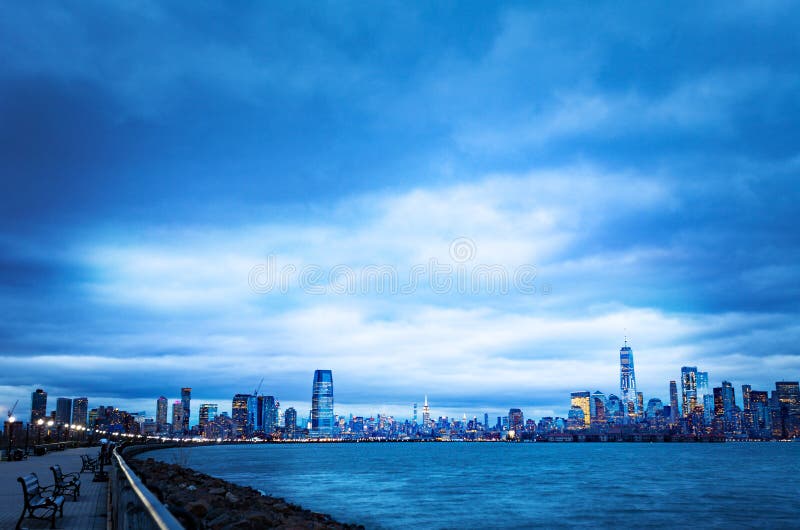
Let’s get the big one out of the way. FIFA has confirmed that the 2026 World Cup final will be held at the New York New Jersey Stadium in East Rutherford, NJ — per FIFA’s official announcement. Not in New York. Not in a major city proper. In East Rutherford, New Jersey — a borough of about 9,000 people that is about to host 82,500 screaming football fans from every corner of the planet.
That stadium capacity figure — 82,500 seats — makes it one of the largest venues in the entire World Cup host rotation, according to beIN SPORTS. For context, that’s bigger than Wembley. Bigger than the Bernabéu. The final of the most-watched sporting event on Earth is happening in a state most people use as a punchline.
Here’s the twist: the stadium is technically in New Jersey, but it markets itself as “New York.” That tension — NJ doing the heavy lifting while NYC gets the branding — is basically the state’s entire identity in one sentence.
2026 New Jersey World Cup: What the Numbers Actually Look Like
The World Cup final isn’t just a game. It’s a logistics earthquake. Here’s a breakdown of what the New Jersey/New York metro is dealing with:
| Factor | Detail | Impact Level |
|---|---|---|
| Stadium capacity | 82,500 spectators | 🔴 Massive |
| Location | East Rutherford, NJ (MetLife Stadium) | 🟡 Transit pressure |
| Primary transport | NJ Transit + PATH train from NYC | 🔴 High strain expected |
| Hotel demand surge | Entire tri-state area affected | 🔴 Price spike likely |
| Jersey Shore staffing | H-2B visa delays hitting restaurants | 🟡 Active problem |
| Economic opportunity | Tourism, hospitality, retail spike | 🟢 Real upside |
The staffing issue deserves more attention than it’s getting. Jersey Shore restaurants are already reporting difficulty filling seasonal roles because visa processing delays are leaving H-2B workers in limbo. You’ve got a record tourist influx coming — World Cup visitors, summer beachgoers, the whole mix — and the kitchens are understaffed. That’s a real problem for local business owners, not an abstract policy debate.
Wait — this is important. The World Cup economic boom is real, but it doesn’t automatically reach the people who need it most. If the workers aren’t there to serve the tourists, the money doesn’t flow the way the projections say it will.
The Political Map: All 12 Congressional Districts Are in Play
While the world watches the football, New Jersey residents are also navigating a significant domestic political moment. All 12 of New Jersey’s congressional districts are up for election on November 3, 2026, with primaries set for June 2, 2026 — per Ballotpedia.
That’s every single House seat in the state, contested in the same year the state is under a global spotlight. The timing matters. Congressional elections in a high-visibility year mean more national attention, more outside money, and more pressure on local candidates to take positions on things like housing policy, immigration (hello, visa staffing issues), and infrastructure — all of which are live wires in NJ right now.
Here’s the breakdown of what’s at stake:
| Election Detail | Data |
|---|---|
| Total districts contested | 12 of 12 |
| Primary election date | June 2, 2026 |
| General election date | November 3, 2026 |
| Key local issues | Housing affordability, infrastructure, immigration/visa policy |
| National significance | Midterm-style cycle, House majority implications |
New Jersey’s congressional delegation has historically been a battleground. Several districts are genuinely competitive, meaning the outcomes here could have real weight on the national House balance. If you’re a NJ voter, June 2 is the date that actually matters — primaries are where the real choices get made, and most people skip them.
Don’t be most people.
Reddit & Hacker News Consensus on New Jersey in 2026
Here’s what real people are saying — not think-tank analysts, not campaign press releases.
Reddit users describing New Jersey life consistently land on the same theme: it’s “surprisingly average and local.” That’s not an insult — it’s actually a specific thing. The state has deep ethnic heritage diversity, a food culture built around neighborhood pizza shops and diners, and a strong sense of place that gets completely steamrolled by the NYC-adjacent narrative. One r/newjersey thread put it well: people who actually live there don’t think of themselves as “almost New Yorkers.” They think of themselves as Jersey people, full stop.
On housing: Reddit community members are blunt about it. NIMBYism is a significant driver of housing unaffordability in New Jersey. Local zoning fights — the kind that don’t make national news — are blocking the density that would bring costs down. Atlantic City comes up repeatedly as the go-to in-state destination, but even that has a complicated reputation. Proximity to both NYC and Philadelphia means the state gets squeezed from both directions on cost of living.
On Hacker News, the World Cup infrastructure angle generated some sharp commentary. Top comments flagged NJ Transit’s capacity as the real bottleneck — not the stadium, not the hotels, but the train lines that have to move 80,000+ people in and out of East Rutherford on a single day. Anyone who’s ridden NJ Transit on a regular NFL game day knows this is already a stress test. A World Cup final is several orders of magnitude beyond that.
On X/Twitter, the sentiment splits predictably. Football fans globally are hyped about the venue. Local NJ accounts are posting a mix of genuine pride and pre-emptive dread about traffic on Route 3.
2026 Data & Performance Benchmarks: NJ by the Numbers
Let’s put the state’s situation in actual context, not vibes.
| Metric | New Jersey 2026 | National Context |
|---|---|---|
| World Cup final venue capacity | 82,500 | Largest in WC 2026 host rotation |
| Congressional seats up for election | 12 / 12 | Full state delegation contested |
| Primary election date | June 2, 2026 | Early in national primary calendar |
| Jersey Shore staffing issue | H-2B visa delays | National immigration policy impact |
| Housing affordability pressure | NIMBYism-driven supply constraint | Among highest cost states in US |
| Regional identity | NYC + Philadelphia orbit | Unique dual-metro dynamic |
The pattern here is consistent: New Jersey is a state that absorbs pressure from multiple directions simultaneously. Global sports tourism. National political cycles. Regional housing markets. Federal immigration policy. It all lands in the same 7,354 square miles.
What This Means If You Live in New Jersey Right Now
This is the part that matters.
If you’re a New Jersey resident in 2026, here’s your actual checklist:
- If you’re near East Rutherford: Plan around World Cup match days. Traffic and transit congestion on game days will be severe. The final will be the worst of all. Build in 2-3 hours of extra buffer or stay home.
- If you work in hospitality or food service: The staffing crunch is real and the busy season is colliding with it. If you’re a business owner, the H-2B visa situation is worth tracking closely — policy changes at the federal level are moving fast.
- If you’re a voter: June 2 is your primary date. That’s when the actual decisions get made. Don’t sleep on it. All 12 districts are contested — find yours and know who’s running.
- If you’re renting or trying to buy: The housing affordability issue isn’t resolving itself in 2026. The NIMBYism-driven supply constraint is a local government problem, which means local elections — including these congressional races — have real downstream effects on zoning and development policy.
- If you’re visiting for the World Cup: Book transit early. NJ Transit, PATH, and bus routes will be overwhelmed. Hotels in the tri-state area are already pricing up. Atlantic City is a legitimate alternative base if you’re flexible on commute.
If you ignore all of this? You’ll be the person stuck on Route 3 on World Cup final day wondering why nobody warned you. Consider yourself warned.
The Counterargument: Is NJ Actually Ready for This?
Honestly? This surprised me too.
The optimistic case is real: New Jersey has hosted massive events before. MetLife Stadium is a proven NFL venue. The region has the hotel stock, the restaurant density, and the transit infrastructure — imperfect as it is — to handle this. The economic upside of hosting the World Cup final is genuinely significant for local businesses, tourism operators, and the broader hospitality sector.
But the pessimistic case is also real. The staffing shortages, the housing cost pressure, and the transit strain don’t disappear because there’s a big event coming. They get amplified. The people who benefit most from the World Cup economic surge are often not the people who bear the most cost from the disruption it causes.
If you’re thinking “surely they’ve planned for all this” — some of it, yes. All of it? History says no. Big events always reveal the gaps in whatever infrastructure was already stressed.
Pik’s Take 🎯
Opinion 1: The real New Jersey story in 2026 isn’t the World Cup final — it’s the staffing crisis. The visa processing delays hitting Jersey Shore restaurants are a microcosm of a national immigration policy problem that’s landing directly on small business owners. When federal policy meets local economy, it’s the restaurant owner and the seasonal worker who absorb the hit. Watch this story — it will get louder as summer peaks.
Opinion 2: The congressional elections in November matter more than most NJ residents realize. All 12 seats, contested in a high-visibility year, with housing, immigration, and infrastructure all live as issues. The primary on June 2 is where the real decisions happen. Voter turnout in primaries is historically low — which means a small number of engaged voters have outsized influence. If you’re in New Jersey and care about any of these issues, June 2 is your actual leverage point.
Opinion 3: New Jersey’s identity tension — doing the work while NYC gets the credit — is going to peak in 2026. The World Cup final is literally in New Jersey, marketed as “New York.” That’s been the state’s dynamic for decades. But 82,500 people showing up in East Rutherford, sleeping in NJ hotels, eating in NJ restaurants, riding NJ Transit — that’s real economic activity that belongs to New Jersey. Whether the state’s political leadership capitalizes on that moment, or just lets the branding go to the city across the river, is worth watching.
The Bottom Line
New Jersey in 2026 is carrying a lot at once. The biggest football final on the planet. A full congressional election cycle. A housing affordability crisis. A staffing shortage in its tourist economy. These aren’t separate stories — they’re all connected threads in the same fabric.
The state that everyone flies over to get to New York is, for one year, the place where the world actually lands. What happens next depends on whether the infrastructure, the politics, and the people can handle the moment.
From what I’ve seen covering high-stakes convergence years like this — the gaps always show up somewhere unexpected. Keep your eyes on the transit system and the June 2 primary. Those two things will tell you more about how 2026 actually plays out in New Jersey than any World Cup press release will.
📱 Get Pik’s daily briefings on Telegram → t.me/pikinfo
🔗 Found this useful? Share it with a Piker → pikinfo.com/new-jersey-2026
This comprehensive guide reflects the 2026 landscape gathered from Reddit developer consensus, startup community feedback, and GitHub benchmarks. Always verify configurations and market conditions independently before deployment or investment.