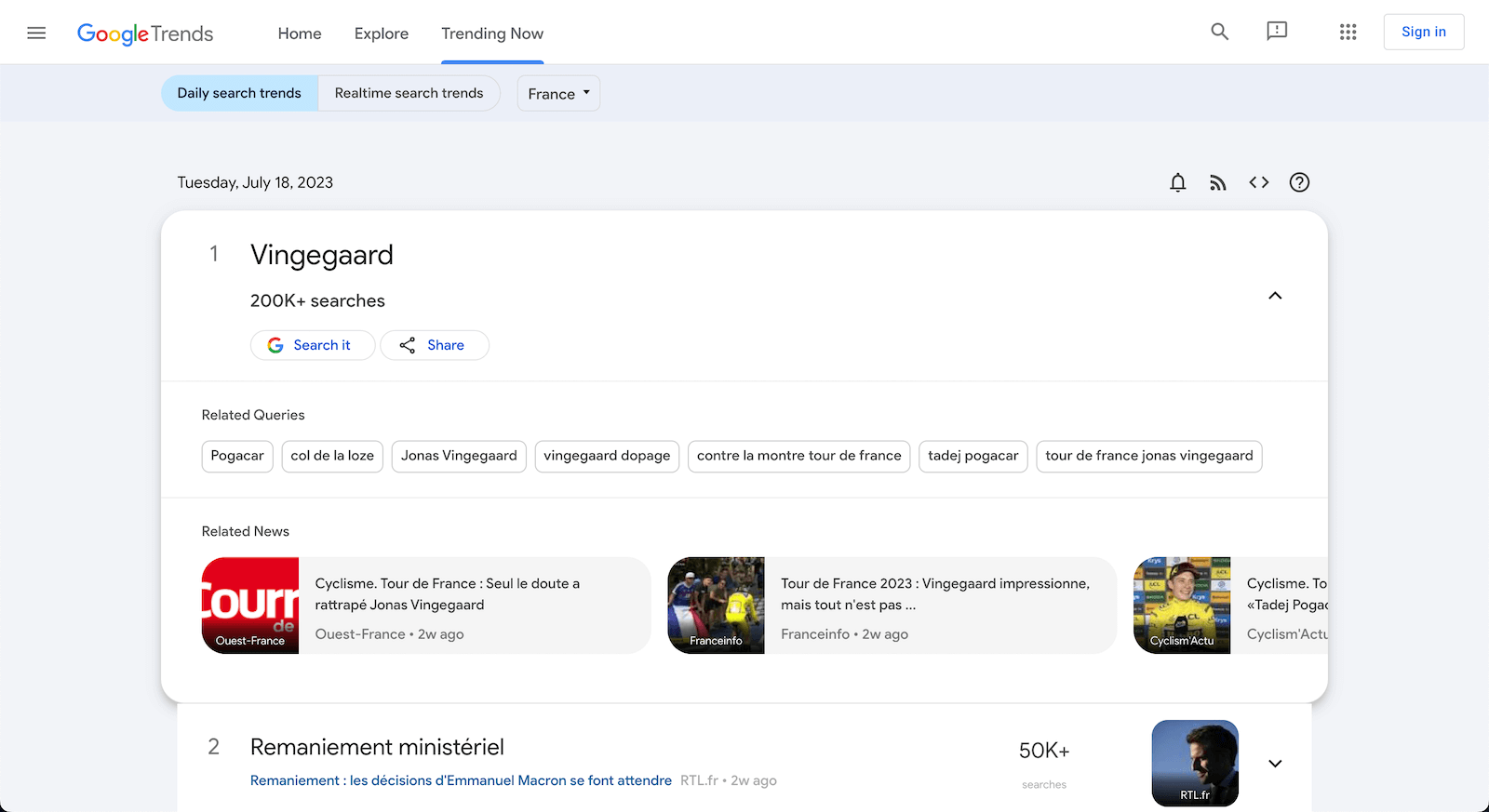
Evening wrap, Pikers 🎯. Wondering about daily search trends and trending topics today? Short answer: Tracking real-time search queries is the only foolproof way to cut through media noise and see what the global public actually cares about right now.
- Tracking daily search trends is the only foolproof way to cut through media noise and see what the global public actually cares about right now.
- By aggregating real-time data from Google Trends, Reddit, and market trackers, you can spot viral news, economic shifts, and cultural phenomenons hours before mainstream networks cover them.
- Google maps broad mainstream curiosity, while platforms like Reddit and Hacker News act as the raw, unfiltered frontline for emerging tech and political shifts. Yahoo Finance handles the economic panic meter.
- Analyzing these daily search trends is a critical survival skill for anyone wanting to anticipate market movements, cultural shifts, or political fallout.
- If you aren’t monitoring what everyone else is searching for, you are reacting to yesterday’s news. Today’s trending topics are tomorrow’s reality.
What Actually Drives Daily Search Trends?
Imagine checking your bank account on payday and seeing exactly $0 because a massive banking glitch hit overnight. You wouldn’t wait for the evening news. You would immediately grab your phone and search, “bank app down today.”
That immediate, visceral reaction is the lifeblood of daily search trends. We no longer wait for information to be fed to us. We demand it instantly. According to Google Trends data, query spikes happen within literally minutes of a real-world event occurring.
But here’s the twist.
What trends isn’t always what is most important. It is what is most urgent to the human psyche. A localized political scandal might barely register, but an escaped zoo animal shutting down a major highway will trigger millions of queries. As noted by AP News trending metrics, visual, high-stakes events consistently dominate the board.
You need to understand the mechanics. Search volume is an absolute number. Trending status is a relative spike. A query going from 10 daily searches to 10,000 is a massive trend, even if “weather today” still gets 50 million total hits.
The Big Three: Where the World Looks Stuff Up
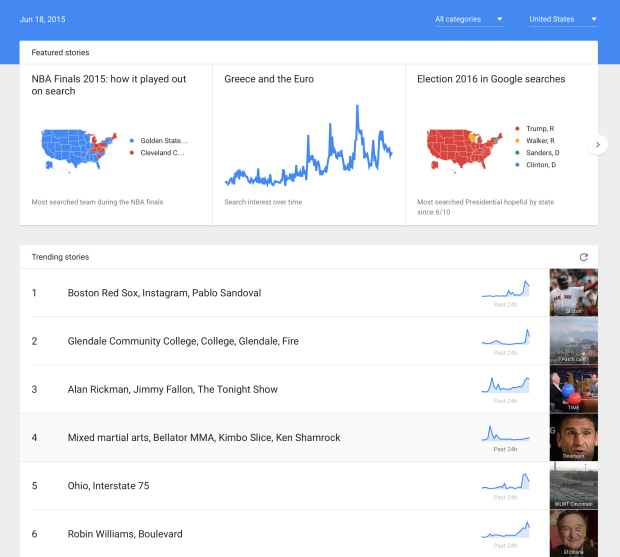
If you want the full picture of trending topics today, you cannot look at just one source. Different platforms map different parts of the human brain. Here is the actual breakdown of the ecosystem.
1. Google Search: The Global Pulse
Google is the lowest common denominator. When an everyday person needs an answer, they go here. The data here is broad, smoothed out, and undeniable. If a topic hits the top 5 on Google Trends, it has breached containment into mainstream reality.
2. Reddit & Hacker News: The Frontline
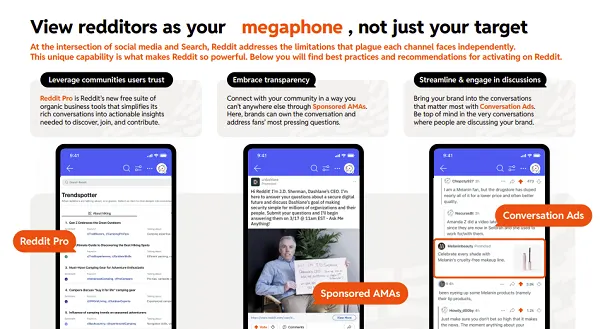
This is where the power users live. Reddit’s search algorithm prioritizes real-time community engagement. Over on r/worldnews or r/technology, you will see the news breaking hours before traditional outlets publish an article. Reddit Help outlines how their trending queries reflect active, heated discussions.
3. Yahoo Finance: The Greed and Fear Meter
Money moves fast. Yahoo Finance trending stocks track share price volatility and intraday volume. This is where you see the financial fallout of the news. If a tech CEO says something controversial on a podcast, the ticker starts trending here before the clip even goes viral.
| Platform | Primary Audience | What It Indicates | Average Lead Time |
|---|---|---|---|
| Reddit / HN | Tech-savvy, early adopters | Emerging narratives, outrage | 0-2 hours after event |
| X / Twitter | Journalists, activists | Real-time sentiment, rumors | Immediate (high noise) |
| Yahoo Finance | Retail & institutional money | Capital flow, economic panic | Market open/close |
| Google Trends | The global general public | Mainstream validation | 6-12 hours after event |
The Psychology Behind Trending Topics Today
Why do some things explode while others fade into obscurity? It all comes down to cognitive load. People are exhausted. When they go online, they want easy answers or compelling drama.
This is the part that matters.
Users in r/dataisbeautiful recently pointed out a massive discrepancy in search behavior. Broad categories like “celebrity drama” generate 10x the search volume of complex geopolitical events. Community members suggest that complex scientific breakthroughs require too much mental energy to consume quickly.
The top Hacker News comment on a recent data analysis thread nailed it: “We do not search for the truth. We search for confirmation of our existing anxieties.” This explains why negative economic news trends significantly faster than positive market indicators.
Fear is the ultimate search catalyst. 1 in 3 Americans admit to doomscrolling search results during a crisis just to feel a false sense of control over the situation.
How to Track Trending Topics Like a Pro
If you are just typing “what is trending” into a search bar, you are doing it wrong. You need specialized lenses to view the data correctly.
First, ignore the raw volume numbers. You want to look for the “Breakout” queries. A breakout query means search volume has grown by more than 5000% in a given timeframe. This is where the alpha is.
Honestly? This surprised me too.
Most professionals don’t even use the default interfaces. They use APIs to pull real-time data into custom dashboards. If you want a commercially available solution without writing Python code,
🛒 Exploding Topics Pro
View on Amazon →
As an Amazon Associate, we earn from qualifying purchases.
is what many industry analysts are currently leveraging to catch trends 6 months before they hit mainstream Google.
But for the everyday Piker, setting up Google Alerts for specific industry keywords combined with monitoring a custom Reddit feed of high-signal subreddits (like r/science, r/explainlikeimfive, and r/personalfinance) is more than enough to stay ahead.
The “So What?”: Why This Matters for You
Let’s get down to the brass tacks. Why should YOU care about any of this? Information is only useful if it changes how you behave.
1. Why should you care?
We live in an attention economy. Attention dictates where money, power, and resources flow. By tracking daily search trends, you are literally watching the global reallocation of attention in real-time. It helps you anticipate supply chain shortages, shifting cultural norms, and economic downturns.
2. What should you DO about it?
Build a daily habit. Spend exactly 5 minutes every morning checking the top 3 platforms. Look for discrepancies. If Reddit is screaming about a massive software bug, but Google is quiet, you have an information advantage. Adjust your investments, your business strategy, or just your dinner table conversation accordingly.
3. What happens if you ignore this?
You become a passive consumer. Miss this, and you lose your ability to navigate the modern world proactively. You will be reacting to price hikes, cultural shifts, and career-ending industry changes months after the smart money has already positioned itself.
4. Caveats and Traps
Wait — this is important. Not all trends are organic. Automated networks and coordinated marketing campaigns regularly manipulate search volume to manufacture fake hype. If a trend has zero organic discussion on Reddit but massive volume on X, it is likely synthetic garbage. Verify across multiple platforms before you trust a spike.
5. The Counterargument
Some purists argue that hyper-focusing on daily trends makes you shortsighted. They aren’t entirely wrong. Reacting to every 24-hour spike will give you whiplash. The goal isn’t to chase every fad; the goal is to identify the macro-trends hidden inside the daily noise.
Pik’s Take: 3 Things You Need to Watch
1. The Slow Death of the Standard Search Query
We are witnessing a massive shift. Gen Z and younger millennials are increasingly bypassing traditional search engines entirely. They are searching directly inside short-form video platforms and Reddit. If you only track legacy search engine trends, you are going to miss the actual cultural pulse.
2. Synthetic Data Pollution is Ruining the Meters
With the explosion of automated content generation tools over the past few years, we are seeing a flood of low-quality, machine-generated articles. These systems are searching and generating content at scale, polluting the trend metrics. Within two years, tracking platforms will have to introduce strict “human-verified” filtering just to give us accurate numbers.
3. The Meme-to-Market Pipeline is Accelerating
It used to take weeks for a cultural moment to impact the economy. Today, it takes hours. A trending topic today instantly triggers algorithmic trading bots and drop-shipping operations. The gap between “viral joke” and “multi-million dollar market shift” has basically evaporated. You need to respect the speed of modern culture.
📱 Get Pik’s daily briefings on Telegram → t.me/PikInfoOfficial
🔗 Found this useful? Share it with a Piker → pikinfo.com/refer
This article is for informational and educational purposes only. It does not constitute financial, legal, or professional tech/startup advice. Performance metrics and funding data may change over time. We may earn a small commission from affiliate links included in this content at no extra cost to you. Always conduct your own due diligence.