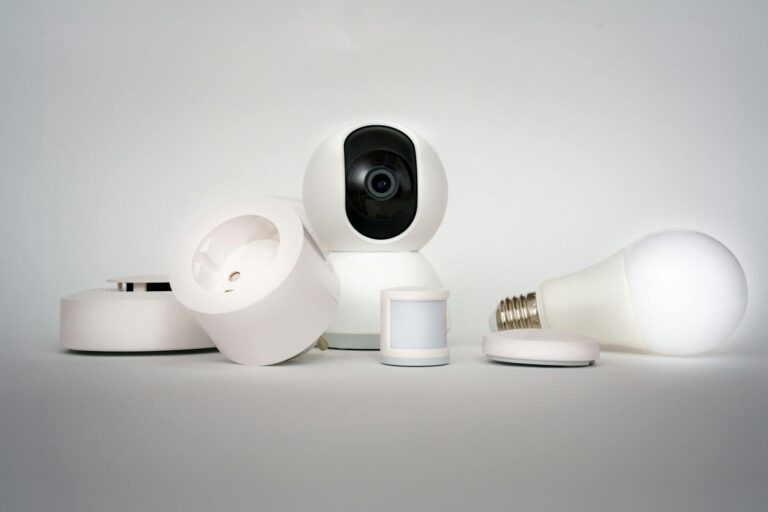
Top Smart Home Devices India: 2024 Ultimate Guide
- Why Upgrade to a Smart Home in India?
- Essential Categories of Smart Home Tech
- Room-by-Room Automation Ideas
- Step-by-Step Guide to Building Your Setup
- Top Recommendations for Smart Home Devices India
- Overcoming Common Challenges in Indian Homes
- Future Trends of Home Automation
- Frequently Asked Questions (FAQs)
- Conclusion & Summary
The concept of home automation has evolved from a futuristic fantasy into a highly accessible reality. With high-speed broadband penetrating deeper into urban and semi-urban areas, and tech companies designing products tailored for local needs, creating an interconnected living space has never been easier. Whether you want to control your air conditioner before you arrive home, monitor your front door from your office, or simply turn off the lights without leaving your bed, the market for smart home devices india is booming with innovative, cost-effective solutions.
In this comprehensive guide, we will explore everything you need to know about transforming your traditional house into a cutting-edge smart home. From choosing the right voice assistant to securing your Wi-Fi network and selecting the best smart plugs for heavy appliances, we have you covered.

Why Upgrade to a Smart Home in India?
Many homeowners still wonder if investing in smart technology is worth the cost. The truth is, smart home automation is no longer just about luxury; it is about efficiency, security, and long-term savings. Indian households face unique challenges, such as extreme weather variations, fluctuating electricity bills, and security concerns. Smart tech directly addresses these pain points.
Here are the primary reasons you should consider taking the leap into home automation:
- Enhanced Convenience: Imagine your geyser turning on automatically 15 minutes before your alarm rings, or your curtains drawing themselves open at sunrise. Voice commands and automated routines remove daily friction.
- Energy Efficiency and Cost Savings: India experiences intense summers, leading to heavy AC usage. Smart AC controllers and smart plugs can turn off appliances when a room is empty or limit usage based on temperature thresholds, significantly lowering electricity bills.
- Robust Security: With dual-income families and frequent travel, home security is paramount. Smart cameras, video doorbells, and digital locks allow you to monitor your property in real-time and grant access to maids or guests remotely.
- Accessibility: For elderly parents living alone, voice-activated smart speakers can be a game-changer. They can make hands-free calls, turn on lights without navigating in the dark, and even set medication reminders.
- Entertainment and Ambience: Sync your lighting with your music or television for immersive movie nights. Tunable white lights can mimic natural daylight, aiding productivity during work-from-home hours.
Essential Categories of Smart Home Tech
To build a cohesive ecosystem, it is important to understand the different categories of devices available. You do not need to buy everything at once; starting with one or two categories is the smartest approach.
1. Smart Speakers and Hubs
The brain of your smart home. Devices like Amazon Echo (Alexa), Google Nest (Google Assistant), and Apple HomePod (Siri) process your voice commands and communicate with other gadgets. In India, Alexa and Google Assistant are highly popular due to their ability to understand Indian accents and multiple regional languages, including Hindi.
2. Smart Lighting
Smart bulbs, LED strips, and smart battens are usually the entry point for beginners. They connect directly to your Wi-Fi and allow you to change colors, adjust brightness, and set schedules. Brands offer millions of colors, but the real utility lies in tunable whites—shifting from cool white for reading to warm yellow for relaxing.
3. Smart Security and Access
This category has seen massive adoption. Wi-Fi-enabled security cameras offer features like motion detection, night vision, and two-way audio. Smart door locks replace traditional keys with fingerprint scanners, PIN codes, RFID tags, and app-based unlocking mechanisms. Video doorbells let you see who is at the door right from your smartphone, a massive upgrade for apartment dwellers.
4. Smart Plugs and Switches
If you have ‘dumb’ appliances like older TVs, fans, or geysers, smart plugs are the perfect bridge. You plug the device into the smart plug, which then connects to the wall socket. By controlling the smart plug via an app, you can automate your existing appliances. *Note: Always use 16A smart plugs for heavy appliances like geysers and ACs, and 10A plugs for lamps and TVs.*
5. Universal IR Blasters
An incredibly underrated device for the Indian market. An IR blaster mimics the infrared signals of your remote controls. By placing one in your living room, you can control your traditional split AC, TV, and set-top box using voice commands or your smartphone.
Room-by-Room Automation Ideas
Understanding how these devices function in a real-world setting helps visualize the potential of a connected home. Here is a breakdown of how you can utilize smart tech in different areas of your house.
- The Living Room: Create a “Movie Time” routine. With a single voice command, your smart lights dim to 10% warm white, the smart curtains close, the AC turns on to 24 degrees via the IR blaster, and your smart TV boots up.
- The Kitchen: Safety and convenience take priority here. Use a smart plug for your water purifier to run only during specific hours. Install a smart smoke detector that sends an instant push notification to your phone if it senses smoke, rather than just beeping locally.
- The Bedroom: Focus on sleep hygiene. Set your smart bulbs to mimic the sunrise, slowly brightening over 30 minutes before your alarm goes off. Use a smart plug to automatically switch off your mosquito repellent liquid vaporizer in the morning.
- The Bathroom: Connect your geyser to a heavy-duty 16A smart plug. Set a schedule so the water is hot right when you wake up, and ensure it automatically turns off after 30 minutes to save massive amounts of electricity.
Step-by-Step Guide to Building Your Setup
Jumping into home automation blindly can lead to a fragmented experience where you are juggling five different apps. Follow these steps for a smooth, unified setup.
- Upgrade Your Wi-Fi Router: Smart homes live and die by network stability. ISP-provided routers often struggle when more than 10-15 devices connect simultaneously. Invest in a dual-band router or a Mesh Wi-Fi system. *Crucial Tip: Almost all smart home devices operate exclusively on the 2.4GHz Wi-Fi band due to its superior range through brick walls.*
- Choose Your Primary Ecosystem: Decide early on whether you want to use Amazon Alexa, Google Home, or Apple HomeKit. Buying devices compatible with your chosen ecosystem ensures everything can be controlled from one central app or voice assistant.
- Map Your Needs and Budget: Start small. Do not automate the whole house at once. Begin with a smart speaker and a couple of smart bulbs. Once you are comfortable with the interface, move on to smart plugs and security cameras.
- Check Device Compatibility: Before purchasing, look for “Works with Alexa” or “Works with Google Assistant” badges on the packaging.
- Configure Routines: The true magic of automation is in ‘Routines’ or ‘Automations’. Linking multiple actions to one trigger (like a specific time, a sensor detecting motion, or a voice phrase) is where you unlock maximum value.
Comparing the Big Three Ecosystems
| Ecosystem | Best Smart Speaker | Pros | Cons |
|---|---|---|---|
| Amazon Alexa | Echo Dot (5th Gen) | ✅ Widest device compatibility ✅ Excellent Hindi language support |
❌ Can be overly talkative/pushy |
| Google Assistant | Google Nest Mini | ✅ Superior search and contextual AI ✅ Great Android phone integration |
❌ Fewer compatible devices than Alexa |
| Apple HomeKit | HomePod Mini | ✅ Top-tier privacy and local processing ✅ Seamless for iOS users |
❌ Very expensive ecosystem ❌ Limited device availability in India |
Top Recommendations for Smart Home Devices India
When curating the perfect setup, choosing the right brands is essential. The market for smart home devices india features global giants and excellent local players. Below, we break down some of the most reliable products available in the country in 2024.

1. Best Smart Lighting Solutions
Lighting is highly competitive. Wipro and Syska have dominated the budget segment, while Philips Hue remains the premium gold standard. Wipro’s Garnet series offers incredible brightness and millions of colors at a fraction of the cost of Philips. However, if you want deep integration with PC gaming or cinematic setups, Philips Hue’s color accuracy and zero-latency bridge system are unmatched.
| Smart Bulb Model | Price Range (Approx) | Highlights |
|---|---|---|
| Wipro Wi-Fi Smart LED 9W | ₹500 – ₹700 | ✅ Great budget pick ✅ Excellent app interface ❌ Colors can be slightly dim |
| Mi LED Smart Bulb Essential | ₹600 – ₹800 | ✅ No hub required ✅ Long lifespan (25k hours) ❌ Heats up during extended use |
| Philips Hue 9W Smart Bulb | ₹2,500 – ₹3,000 | ✅ Unmatched color accuracy ✅ Premium gaming sync ❌ Requires separate Hue Bridge |
2. Best Smart Security Cameras
Indoor and outdoor cameras have become necessities. TP-Link’s Tapo series and Xiaomi’s 360-degree cameras are household favorites. They provide pan-tilt-zoom (PTZ) functionalities, localized microSD storage (to bypass expensive cloud subscriptions), and clear night vision. For premium outdoor security, Qubo (by Hero Group) offers rugged, weather-resistant cameras designed specifically to withstand the harsh Indian monsoon and summer heat.
3. Best Smart Plugs
When selecting smart plugs, always verify the amperage. The Wipro 16A Smart Plug is ideal for heavy loads like 1.5-ton ACs, microwaves, and geysers. It features energy monitoring, allowing you to see exactly how many units of electricity your appliance is consuming via the app. For smaller devices like lamps or chargers, the Amazon Smart Plug (10A) offers frustration-free setup, automatically linking to your Alexa account the moment you plug it in.
Overcoming Common Challenges in Indian Homes
While the vision of an automated house is appealing, the ground reality of implementing smart home devices india comes with unique infrastructural hurdles. Here is how you can mitigate them:
- Frequent Power Cuts: Power outages are common in many parts of India. When power returns, smart bulbs often default to a bright white “on” state, which can be disruptive in the middle of the night. Solution: Look for devices with a “Power-On Behavior” memory feature in their app settings. This ensures the device remembers its last state (off or dimmed) when electricity is restored. Alternatively, back up your router and smart hub on a mini UPS.
- Thick Brick and Concrete Walls: Unlike western homes built with drywall, Indian homes use solid brick and cement. This severely limits Wi-Fi range. Solution: A single router is rarely enough for a 3BHK. Invest in a Wi-Fi Mesh system (like TP-Link Deco) rather than traditional Wi-Fi extenders, which halve your bandwidth.
- Voltage Fluctuations: Surges can fry sensitive smart electronics. Solution: Ensure your home has proper earthing and consider using whole-house surge protectors or high-quality surge-protecting power strips for your expensive hubs and routers.
- Privacy Concerns: Having microphones and cameras in your home can feel intrusive. Solution: Always buy reputable brands that offer end-to-end encryption. Utilize the physical privacy shutters on security cameras and the physical mute buttons on smart speakers when you want absolute privacy.
Future Trends of Home Automation
The tech landscape moves fast, and home automation is at the forefront of this evolution. As we look ahead, several key trends will redefine how we interact with our living spaces:
- The Rise of ‘Matter’: Matter is a new universal smart home industry standard developed jointly by Apple, Google, Amazon, and Samsung. Previously, you had to worry if a device was compatible with your specific hub. With Matter-certified devices, everything will communicate seamlessly, regardless of the brand. This protocol is slowly making its way into the Indian market and will eliminate ecosystem lock-in.
- Generative AI Integration: Voice assistants are shifting from rigid command-based systems to conversational AI. Soon, instead of saying “Turn on the AC to 24 degrees and dim the lights,” you can simply say, “I’ve had a long day, set a relaxing mood,” and the AI will contextually adjust your environment.
- Local Manufacturing (Make in India): Due to government initiatives, more brands are moving the manufacturing of IoT devices locally. This will lead to a significant drop in prices, making smart sensors, plugs, and bulbs more affordable for the average consumer.
- Energy Sustainability: As energy costs rise, smart panels and AI-driven energy monitoring systems will automatically optimize your home’s power consumption, switching to solar battery backups during peak grid tariff hours.

Frequently Asked Questions (FAQs)
To help you navigate your buying journey, here are the most commonly asked questions regarding home automation in the Indian context:
- How much does it cost to automate a standard 2BHK in India?
A basic setup (1 smart speaker, 3-4 smart bulbs, 2 smart plugs, and an IR blaster) will cost between ₹6,000 to ₹10,000. An advanced setup with a mesh network, smart door locks, video doorbells, and comprehensive sensors can range from ₹40,000 to ₹80,000+. - Do smart home devices consume a lot of internet data?
No. Devices like smart bulbs, plugs, and IR blasters consume negligible data (a few megabytes a month) as they only send tiny command packets. However, Wi-Fi security cameras constantly uploading HD video to the cloud can consume 30GB to 60GB per month. It is recommended to have an unlimited broadband plan. - Can I install smart devices in a rented apartment?
Absolutely. Most consumer-grade smart devices (bulbs, plugs, tabletop speakers, and wireless cameras) require zero structural changes. They are plug-and-play. Even retro-fit smart switches fit behind your existing switchboards without altering the exterior aesthetics, making them completely renter-friendly. You simply pack them up and take them with you when you move. - Will my smart home work without the internet?
Most voice commands and app controls rely on cloud servers, meaning they will stop working if the internet drops. However, local control (using physical switches) will always work. Additionally, ecosystems utilizing hubs with Zigbee or Z-Wave protocols, or the new Matter standard, can execute local automated routines even without an active internet connection.
Conclusion & Summary
Transforming your house into a smart home is an exciting journey that blends futuristic convenience with practical, everyday problem-solving. As we have seen, the ecosystem for smart home devices india has matured beautifully. Brands are now designing products that cater specifically to Indian infrastructure, addressing issues like voltage fluctuations, power cuts, and the need for robust security.
You do not need an endless budget to get started. By focusing on high-impact areas first—such as energy-saving smart plugs for heavy appliances, a universal IR blaster for your AC, and a reliable security camera—you can dramatically improve your quality of life. As technology continues to advance with universal protocols like Matter and conversational AI, our homes will only become more intuitive, efficient, and secure.
🛒 Related Products
smart home devices india on Amazon
Amazon.com
As an Amazon Associate, we earn from qualifying purchases.