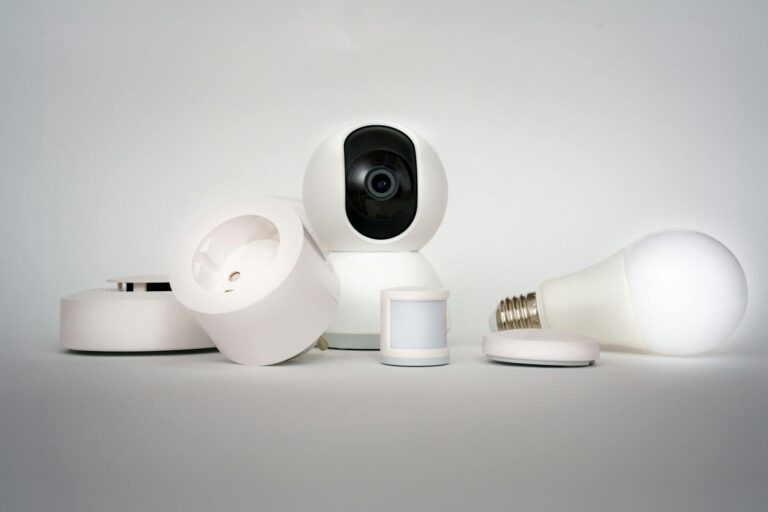
Top Smart Home Devices 2025: The Ultimate Guide
Table of Contents
- Introduction: The Dawn of True Automation
- The Foundation: Matter Protocol and Local AI
- Next-Generation Security & Access Control
- Climate Control and Proactive Energy Management
- The Intelligent Kitchen: Cooking in 2025
- Lighting, Ambience, and Circadian Health
- Immersive Entertainment Systems
- Pros and Cons of Upgrading Your Smart Home Now
- Frequently Asked Questions (FAQ)
- Conclusion
Introduction: The Dawn of True Automation
For years, the promise of the “smart home” has felt just a bit out of reach. We’ve dealt with fragmented ecosystems, confusing voice commands, and automation routines that required a degree in computer science to set up. But as we step fully into this new year, the landscape has shifted dramatically. The era of manual remote controls and siloed apps is ending, making way for genuinely intelligent environments that anticipate our needs. If you are looking to upgrade your living space, investing in the right smart home devices 2025 will transform your house from a simple collection of connected gadgets into a cohesive, proactive assistant.
In this comprehensive guide, we will explore the cutting-edge technology defining the modern household. From localized AI processing that respects your privacy to the universal adoption of the Matter standard, the devices of today are faster, smarter, and infinitely more reliable. Whether you are a seasoned home automation enthusiast or a newcomer looking to dip your toes into connected living, understanding the current trends is essential for making informed purchasing decisions.
The Foundation: Matter Protocol and Local AI
Before diving into specific product categories, it is crucial to understand the foundational technologies powering the best smart home devices 2025 has to offer. In the past, consumers were forced to choose a “team”—Apple HomeKit, Google Home, or Amazon Alexa—and stick with it, severely limiting their hardware options. Today, the Matter protocol has effectively eliminated these borders.
The Triumph of Matter
Matter is an open-source connectivity standard created by the Connectivity Standards Alliance (CSA), which includes tech giants like Apple, Google, Amazon, and Samsung. In 2025, Matter is no longer a beta project; it is the industry standard. This means a smart bulb bought off the shelf will work seamlessly with your Apple HomePod, your Google Nest Hub, or your Amazon Echo, right out of the box. No more downloading third-party apps just to connect a device to your network.
| Feature | Pre-2024 Ecosystems | Matter Standard (2025) |
|---|---|---|
| Interoperability | Siloed (Brand-specific) | Universal (Cross-platform) |
| Setup Process | Requires multiple 3rd party apps | Scan a QR code from any native app |
| Network Type | Wi-Fi/Bluetooth (High latency) | Thread/Wi-Fi (Low latency mesh) |
| Cloud Dependence | High (Internet required for local commands) | Low (Local network execution) |
Localized AI and Privacy
Another massive shift in 2025 is the move from cloud-based processing to local AI. Older smart speakers had to send your voice recordings to a distant server to parse the command, causing delays and raising significant privacy concerns. Modern hubs now feature built-in neural processing units (NPUs). These powerful local chips process your voice commands, facial recognition data, and automation logic entirely within the walls of your home. This means your smart home continues to function perfectly even if your internet connection goes down, and your personal data remains strictly yours.
Next-Generation Security & Access Control
Home security has evolved far beyond simple motion sensors that trigger blaring alarms. Today’s security systems utilize contextual AI to differentiate between a stray dog, a delivery driver, and a potential intruder, drastically reducing false alarms and providing peace of mind.
Biometric and AI-Driven Smart Locks
The days of fumbling for keys—or even pulling out your smartphone to unlock your door—are rapidly fading. The latest smart locks rely on multi-modal biometrics. We are seeing devices equipped with 3D facial recognition, highly accurate fingerprint scanners, and ultra-wideband (UWB) technology that automatically unlocks the door as you approach, provided your smartwatch or phone is on your person.
🛒 biometric smart deadbolt lock with built-in camera and fingerprint scanner
View on Amazon →
As an Amazon Associate, we earn from qualifying purchases.
Moreover, these locks now feature integrated video capabilities. Instead of needing a separate video doorbell and a smart lock, hybrid devices offer a 4K camera embedded directly into the lock chassis. These cameras use local AI to recognize family members, instantly unlocking the door and even triggering specific “Welcome Home” routines—like turning on the hallway lights and adjusting the thermostat—based on exactly who just walked in.
Drone Cams and Proactive Surveillance
While stationary cameras are smarter than ever, indoor drone cameras have finally hit the mainstream in 2025. Integrated into your base security system, these compact, quiet drones deploy automatically when an unfamiliar noise or motion is detected while you are away. They navigate your home autonomously, streaming live video to your phone, and return to their charging docks once the patrol is complete.

For outdoor security, dual-lens pan-and-tilt cameras powered by solar panels offer 360-degree coverage without the need for wiring. They utilize edge-based machine learning to track moving objects across your yard, spotlighting trespassers and issuing customizable audio warnings before a breach even occurs.
Climate Control and Proactive Energy Management
As global energy prices fluctuate and environmental concerns grow, smart climate control has shifted from a luxury convenience to an absolute financial necessity. The smart home devices 2025 market places a heavy emphasis on proactive energy management, turning your home into a micro-grid that optimizes consumption seamlessly.
The True Smart Thermostat
If you think a smart thermostat is just a device you can control from your phone, think again. The 2025 generation of climate control devices uses advanced predictive modeling. These thermostats pull in hyper-local weather forecasts, analyze the thermal retention properties of your specific home, and learn your daily schedule. They know exactly how long it takes to heat your living room to 72 degrees on a snowy Tuesday and will start the HVAC system at the precise moment necessary to reach that temperature right as your alarm goes off.
Furthermore, these devices integrate with dynamic energy pricing models provided by utility companies. If your energy provider charges less during off-peak hours, your smart hub will autonomously pre-heat or pre-cool your home, or schedule your smart water heater to run, drastically reducing your monthly utility bills without any sacrifice in comfort.
Smart Blinds and Automated Shading
Climate control isn’t just about the HVAC system. Automated window treatments are now a core component of energy efficiency. In the summer, smart blinds equipped with solar sensors will automatically lower themselves on the sun-facing side of your house to prevent greenhouse heating, significantly reducing the load on your air conditioner. In the winter, they do the opposite, opening wide to harvest natural solar heat during the day and closing tightly at dusk to provide an extra layer of insulation.
🛒 smart motorized window roller blinds compatible with thread and matter
View on Amazon →
As an Amazon Associate, we earn from qualifying purchases.
The Intelligent Kitchen: Cooking in 2025
The kitchen is often called the heart of the home, but historically, it has been the most difficult room to integrate into home automation. That barrier has been broken. Today’s smart kitchen appliances are designed to reduce food waste, simplify meal prep, and assist with complex cooking techniques.
AI-Assisted Refrigeration
Smart refrigerators have evolved past simple touchscreens on the door. Using internal cameras and weight sensors combined with computer vision AI, modern fridges maintain a real-time inventory of your groceries. They can track expiration dates and send notifications to your phone before your milk goes bad. More impressively, they integrate with generative AI recipe apps. Simply tell your kitchen display, “Show me recipes using the ingredients I currently have,” and it will instantly generate a curated list of dinner options based on the actual contents of your fridge and pantry.

Precision Induction and Smart Ovens
Cooking hardware has also seen massive upgrades. Smart induction cooktops now use wireless temperature probes to control the exact heat applied to your food, automatically adjusting the burner to maintain a perfect simmer without boiling over. Smart ovens utilize internal cameras and AI to recognize what you put inside—whether it’s a whole chicken, a frozen pizza, or a batch of cookies—and automatically select the optimal cooking mode, temperature, and time, completely removing the guesswork from meal preparation.
🛒 smart wifi connected air fryer and convection oven combo with built in camera
View on Amazon →
As an Amazon Associate, we earn from qualifying purchases.
Lighting, Ambience, and Circadian Health
Smart lighting is usually the gateway drug into home automation, but the focus has shifted from fun, colorful party tricks to health and well-being. The best smart home devices 2025 include lighting solutions that profoundly impact your biological rhythms and mental health.
Circadian Rhythm Synchronization
Humans evolved to wake up to the cool, blue-tinted light of morning and go to sleep after exposure to the warm, amber hues of a sunset. Modern smart lighting systems replicate this natural progression flawlessly. Throughout the day, your smart bulbs will automatically shift their color temperature and brightness to match the position of the sun. This circadian lighting boosts productivity and focus during the workday while promoting the natural release of melatonin in the evening, leading to significantly better sleep quality.
| Time of Day | Color Temperature | Biological Effect |
|---|---|---|
| Morning (6 AM – 10 AM) | Cool White (5000K – 6000K) | Stops melatonin production, boosts alertness |
| Midday (10 AM – 4 PM) | Neutral White (4000K) | Maintains focus and reduces eye strain |
| Evening (5 PM – 9 PM) | Warm White (2700K) | Encourages relaxation, signals sunset |
| Night (9 PM onwards) | Amber/Dim Red (1800K) | Promotes heavy melatonin release for sleep |
Micro-LED and Architectural Lighting
Aesthetically, the bulky smart bulbs of the past are being replaced by seamless architectural lighting. Think micro-LED light strips embedded invisibly into crown molding or under cabinets that provide flawless, dot-free illumination. Thanks to Thread and Matter, hundreds of these micro-devices can operate simultaneously on a mesh network without lagging or overloading your Wi-Fi router.
Immersive Entertainment Systems
The home theater experience has been completely redefined by smart technology. Wires and massive receiver boxes are a thing of the past. In 2025, audio and visual equipment prioritize invisibility when not in use and total immersion when activated.
Spatial Audio and Invisible Speakers
High-end smart homes are now utilizing in-wall spatial audio systems. Rather than placing bulky surround sound speakers around the room, acoustic panels are plastered directly into the drywall, becoming completely invisible. These systems use spatial audio calibration, analyzing the acoustic reflections of your room to bounce sound beams precisely to your seating position, creating an immersive 3D audio experience that rivals professional cinemas.

Synchronized Haptics and Lighting
Visual entertainment is now a full-room experience. Modern smart TVs synchronize via Matter to your room’s smart lighting and automated blinds. Say “Movie Night” to your voice assistant, and watch as the blinds lower, the main lights fade to black, bias lighting behind the TV turns on to match the colors on the screen, and your smart sofa activates subtle haptic feedback transducers that vibrate perfectly in sync with the bass of an action movie.
Pros and Cons of Upgrading Your Smart Home Now
While the advancements in technology are breathtaking, outfitting your entire house with the latest gear is a significant investment. Here is an honest look at the advantages and drawbacks of upgrading your systems to the current standard.
The Advantages
- ✅ Unprecedented Energy Savings: AI-driven climate control and smart shading can reduce household energy consumption by 20-30%, paying for themselves over time.
- ✅ Enhanced Security and Peace of Mind: Local AI video processing and biometric locks provide enterprise-grade security tailored to residential homes.
- ✅ Seamless Compatibility: Thanks to the Matter protocol, you no longer have to worry if a new device will work with your existing ecosystem.
- ✅ Health Benefits: Circadian lighting and indoor air quality automation contribute tangibly to better sleep and physical health.
The Drawbacks
- ❌ High Initial Cost: While long-term savings are real, outfitting a home with 2025-era locks, cameras, and hubs requires a noticeable upfront financial investment.
- ❌ Learning Curve for Advanced Automations: While basic setup is easier than ever, creating complex, multi-conditional routines (e.g., “if it rains, and I am away, close the windows and turn off the sprinklers”) still requires a bit of tech-savviness.
- ❌ E-Waste Concerns: Upgrading older, perfectly functional but non-Matter-compatible devices contributes to electronic waste if not recycled properly.
Frequently Asked Questions (FAQ)
1. Do I need to throw away my older smart home devices?
Not necessarily. While the focus is heavily on the newest smart home devices 2025 brings to the table, many legacy devices can still be integrated. Brands like Aqara, Philips Hue, and SwitchBot have released Matter bridges or software updates that allow older Zigbee or Bluetooth devices to communicate with your modern Matter network. However, older devices may not support advanced features like local AI processing.
2. Is my smart home safe from hackers?
Security has drastically improved compared to five years ago. Because modern devices rely more on Thread mesh networks and local processing via Matter rather than constantly communicating with third-party cloud servers, the attack surface for hackers is significantly reduced. Always ensure you purchase from reputable brands, use strong unique passwords for your main accounts, and enable two-factor authentication.
3. What happens if my internet goes down?
This is where 2025 technology shines. In the past, an internet outage meant your smart switches and voice assistants became useless plastic bricks. Today, as long as your local Wi-Fi router or Thread border router has power, local automations continue to run seamlessly. Your motion sensors will still trigger your lights, and your localized voice assistant will still process commands to lock your doors or adjust the thermostat.
4. Which hub should I buy to get started?
Because of Matter, the “hub” decision is less about hardware compatibility and more about user interface preference. If you use an iPhone, an Apple HomePod Mini or Apple TV 4K acts as an excellent, privacy-focused hub. If you prefer Google’s conversational AI, the Google Nest Hub Max is ideal. For those who want absolute, granular control and don’t mind tinkering, a local server running Home Assistant Green remains the gold standard for enthusiasts.
Conclusion
We have officially moved past the gimmick phase of connected technology. The smart home devices 2025 has introduced are robust, privacy-centric, and genuinely helpful. By adopting standard protocols like Matter, shifting to local AI processing, and focusing on proactive energy and health management, the industry has finally delivered on the promise of the automated home.
Whether your goal is to slash your energy bills with an AI-driven thermostat, secure your perimeter with biometric locks, or simply wake up feeling more refreshed thanks to circadian lighting, there has never been a better time to upgrade. Start small—perhaps with a modern smart lock or a few Matter-enabled bulbs—and gradually build an ecosystem that works quietly in the background, making your everyday life safer, easier, and much more comfortable.
![The Best Monitors for Work From Home India [2024]](https://pikinfo.com/wp-content/uploads/2026/03/best-monitors-work-from-home-india-thumb-768x432.jpg)