Ultimate Smartwatch Comparison UK: Which Should You Buy?
Table of Contents
Introduction: Navigating the UK Wearables Market
The wearable technology landscape has evolved dramatically over the past few years. Gone are the days when a smartwatch was simply a glorified pedometer or a secondary screen for your smartphone notifications. Today, these wrist-bound gadgets are sophisticated health monitors, personal trainers, mobile payment hubs, and indispensable daily companions. For consumers in the United Kingdom, the sheer volume of choices can be overwhelming. Whether you are navigating the busy streets of London, hiking the rugged terrains of the Scottish Highlands, or simply trying to optimize your gym routine in Manchester, finding the right device is crucial. That is exactly why we have put together this comprehensive smartwatch comparison uk guide.
Choosing the perfect smartwatch involves balancing aesthetics, functionality, battery life, and ecosystem compatibility. If you are an iPhone user, your options might lean in one direction, while Android enthusiasts have an entirely different set of choices. Furthermore, serious athletes require a different tier of durability and sensor accuracy compared to the casual user looking to close their daily activity rings. In this deep dive, we will break down the top models, compare their core features, and help you make an informed decision that suits both your lifestyle and your budget.
1. Top Contenders in the UK Market

To kick off our evaluation, we need to look at the heavyweights that currently dominate the UK retail space. These are the devices you will see on the wrists of commuters, athletes, and tech enthusiasts alike. Let us examine what makes each of these top-tier watches tick, their standout features, and where they might fall short.
Apple Watch Series 9: The Undisputed King for iOS
For iPhone users, the Apple Watch Series 9 remains the gold standard. Apple has refined its smartwatch formula to near perfection, focusing on a seamless user experience, incredibly smooth performance, and life-saving health features. The Series 9 introduces the S9 SiP (System in Package), which enables on-device Siri processing and the innovative “Double Tap” gesture—allowing you to control the watch single-handedly when your other hand is full of groceries or holding a coffee on the Tube.
The display is twice as bright as its predecessor, hitting up to 2,000 nits, making it highly readable even during rare sunny days in the UK. Health tracking is robust, featuring ECG, blood oxygen monitoring, temperature sensing for cycle tracking, and crash detection. However, its Achilles’ heel remains the battery life, which still hovers around the 18-hour mark, necessitating daily charging.
- ✅ Seamless integration with iOS and Mac ecosystems.
- ✅ Incredibly fluid user interface with the new watchOS 10.
- ✅ Unmatched third-party app support and accessory ecosystem.
- ❌ Battery life requires daily charging.
- ❌ Incompatible with Android devices.
🛒 Apple Watch Series 9 GPS 45mm Midnight Aluminum Case with Midnight Sport Band
View on Amazon →
As an Amazon Associate, we earn from qualifying purchases.
Samsung Galaxy Watch 6: The Android Champion
If you are embedded in the Android ecosystem, particularly if you own a Samsung Galaxy smartphone, the Galaxy Watch 6 is your premier choice. Returning to a fan-favorite design, the “Classic” version brings back the physical rotating bezel, which is arguably the most satisfying way to navigate a smartwatch interface. The standard Watch 6 offers a sleeker, more modern, bezel-less aesthetic.
Samsung has worked closely with Google to refine Wear OS, resulting in a smooth, responsive experience with full access to the Google Play Store. The bio-active sensor on the back handles everything from heart rate and body composition analysis to sleep coaching. The display is vibrant, and the watch is slim enough to wear comfortably overnight. However, while battery life has improved, heavy users will still find themselves reaching for the charger every 30 to 40 hours.
- ✅ Excellent value for Android users with a brilliant Super AMOLED screen.
- ✅ Comprehensive health tracking including body composition (BIA) sensor.
- ✅ The rotating bezel on the Classic model is a joy to use.
- ❌ Some advanced health features (like ECG) are locked to Samsung phones.
- ❌ Battery life is still outpaced by fitness-first brands.
Garmin Fenix 7 Pro: The Rugged Outdoor Specialist
When casual fitness tracking is not enough, Garmin steps into the spotlight. The Garmin Fenix 7 Pro is a beast of a machine designed for triathletes, marathon runners, mountaineers, and anyone who demands extreme durability. Unlike the Apple or Samsung watches, the Fenix uses a memory-in-pixel (MIP) display or, in the Epix line, an AMOLED screen. The real draw here is the battery life, which is measured in weeks, not hours, enhanced further by solar charging capabilities.
Garmin’s ecosystem is heavily data-driven, offering metrics like Body Battery, Training Readiness, VO2 Max, and advanced GPS mapping right on your wrist. It lacks the flashy smart features—you won’t find a vast app store or seamless voice assistants—but it excels at its core purpose: tracking extreme physical exertion with pinpoint accuracy.
- ✅ Phenomenal battery life lasting weeks, supplemented by solar charging.
- ✅ Industry-leading GPS accuracy and topographical maps.
- ✅ Incredibly detailed sports and recovery metrics.
- ❌ Expensive investment for casual users.
- ❌ Lacks deep smart features like cellular voice calling or widespread third-party apps.
🛒 Garmin Fenix 7X Pro Sapphire Solar Multisport GPS Smartwatch
View on Amazon →
As an Amazon Associate, we earn from qualifying purchases.
Google Pixel Watch 2: The Sleek Minimalist
Google’s second iteration of its in-house smartwatch, the Pixel Watch 2, improves upon the original in almost every way while retaining its beautiful, pebble-like domed glass design. It is arguably the most stylish smartwatch on the market, blending seamlessly into both casual and formal wear. Under the hood, Google has integrated Fitbit’s deep health-tracking algorithms, making it a surprisingly potent fitness device.
The new quad-core processor ensures Wear OS 4 runs without a hitch, and the multi-path heart rate sensor is highly accurate during vigorous exercise. However, it only comes in one size (41mm), which might look too small on larger wrists, and the thick bezels under the curved glass are still noticeable in certain apps.
- ✅ Stunning, minimalist domed glass design.
- ✅ Excellent integration of Fitbit’s industry-leading health algorithms.
- ✅ Smooth performance with deep Google Assistant integration.
- ❌ Only available in a 41mm size.
- ❌ Proprietary band mechanism limits third-party strap options.
2. Feature-by-Feature Smartwatch Comparison UK

To truly understand which device deserves a spot on your wrist, we must dissect them across the key categories that matter most in day-to-day use. Any thorough smartwatch comparison uk must look beyond the marketing jargon and examine how these devices perform in real-world scenarios. We will evaluate design, battery endurance, and smart capabilities.
| Model | Best For | Battery Life | Compatibility | Key Sensor |
|---|---|---|---|---|
| Apple Watch Series 9 | Overall iOS | Up to 18 hrs (36 hrs low power) | iOS Only | ECG & Blood Oxygen |
| Samsung Galaxy Watch 6 | Overall Android | Up to 40 hrs | Android Only | BioActive (BIA) |
| Garmin Fenix 7 Pro | Hardcore Athletes | 18-22 Days (Solar) | iOS & Android | Multi-Band GPS & Altimeter |
| Google Pixel Watch 2 | Style & Minimalists | Up to 24 hrs (Always-On) | Android Only | Multi-path Heart Rate |
Display and Build Quality
The screen is your primary point of interaction, and the technology here has plateaued at a very high standard. Apple, Samsung, and Google all utilize OLED/AMOLED technology, providing infinite contrast, deep blacks, and vibrant colors. Apple’s LTPO (Low-Temperature Polycrystalline Oxide) displays allow for incredibly efficient Always-On functionality, dropping the refresh rate to 1Hz to save battery when you aren’t actively looking at the watch.
In terms of materials, standard models usually feature aluminum cases and strengthened glass (like Ion-X or Gorilla Glass). Premium tiers upgrade to stainless steel or titanium paired with Sapphire crystal, which is incredibly scratch-resistant. If you work in trades, do a lot of outdoor climbing, or are notoriously clumsy, investing in a Sapphire crystal display (available on Apple Watch Ultra, Galaxy Watch 6 Classic, and Garmin Fenix Sapphire editions) is highly recommended to prevent nasty scratches.
Connectivity and Smart Features
When we talk about ‘smart’ features, we are referring to notification handling, voice assistants, mobile payments, and cellular capabilities. Apple Pay and Google Wallet have transformed how people in the UK commute and shop. Tapping onto the London Underground with a flick of the wrist is vastly superior to fumbling for a phone or Oyster card.
Most of these watches offer LTE variants. An LTE smartwatch connects directly to cellular networks (EE, Vodafone, O2, etc., in the UK) allowing you to stream music, receive calls, and send texts while leaving your phone at home. This is brilliant for runners who want to travel light but stay reachable. However, note that LTE heavily drains battery life and requires an additional monthly data plan from your carrier, usually costing around £5-£7 a month.
3. OS Showdown: watchOS vs Wear OS vs Garmin OS

Hardware is only half the story; the software running the watch dictates your daily experience. Operating systems dictate how menus flow, how notifications are displayed, and what third-party apps you can install. Let’s explore the three dominant platforms.
watchOS (Apple)
Apple’s watchOS is currently in its tenth major iteration, and it shows. The interface relies on a mix of a digital crown for scrolling and a touch screen for tapping and swiping. Recently, Apple introduced a “Smart Stack” of widgets, allowing you to quickly glance at the weather, calendar events, and activity rings without opening individual apps. The App Store on watchOS is the most populated in the wearable world, featuring everything from specialized golf trackers and sleep analysis tools to minimalist text-based games. The integration with Siri, while historically mocked, has become impressively fast and reliable with the on-device processing of the newer chips.
Wear OS (Google / Samsung)
For years, Wear OS struggled with battery drain and sluggish performance. That changed dramatically when Google partnered with Samsung to rebuild the platform. Wear OS 4 is now a formidable rival to Apple. It features robust Google Assistant integration, Google Maps navigation right on your wrist, and a growing library of third-party apps via the Google Play Store. What makes Wear OS unique is how manufacturers can skin it. Samsung applies its “One UI Watch” overlay, making it feel distinctly like a Galaxy device, while Google offers a pure, “Pixel” experience. This customization allows users to choose the flavor of Android that best suits their preferences.
Garmin OS
Garmin takes an entirely different approach. Their operating system is proprietary and heavily focused on data presentation rather than interactive smart features. You use physical buttons (five of them, typically) to navigate through complex menus. This is intentional: touchscreens are practically useless when you are swimming or wearing heavy winter gloves. The interface uses “Glances” to show you compacted data fields—VO2 max, sleep score, steps, altimeter readings—which you can click into for deep, multi-page graphical analysis. While it does support Garmin Pay and Spotify offline playback, it lacks a comprehensive app store, voice dictation for texts, or a native voice assistant.
4. Health, Fitness, and Wellbeing Tracking
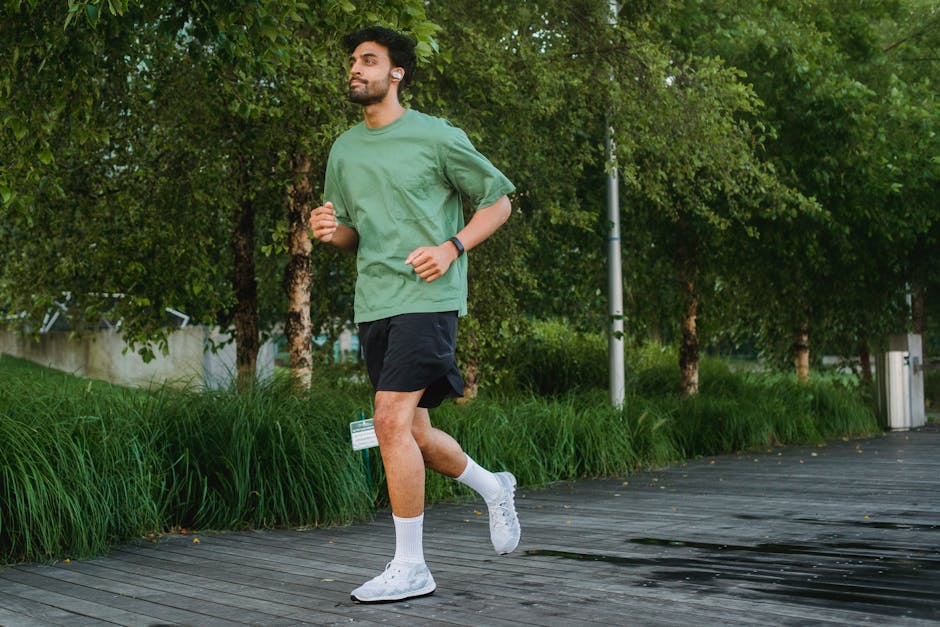
Perhaps the most compelling reason to read a smartwatch comparison uk review is to find the best health tracker. Modern wearables have evolved into miniaturized medical devices, alerting users to potentially life-threatening conditions. But how do they stack up against each other?
Heart Rate, ECG, and Blood Oxygen
All top-tier smartwatches feature continuous optical heart rate monitoring. This data calculates your resting heart rate, active calorie burn, and stress levels. Moreover, Apple, Samsung, and Google (via Fitbit) offer ECG (Electrocardiogram) capabilities. By touching a specific part of the watch, the device measures the electrical signals of your heart to detect atrial fibrillation (AFib), a leading cause of stroke. Additionally, SpO2 (Blood Oxygen) sensors are standard across the board. While not medically certified for diagnosing sleep apnea in all regions just yet, a drop in blood oxygen during the night is a strong indicator of respiratory disturbances.
Sleep and Recovery Coaching
Sleep tracking is no longer just about knowing how many hours you were in bed; it is about sleep architecture. The devices break down your night into Light, Deep, and REM sleep cycles.
Fitbit (inside the Pixel Watch 2) has arguably the most consumer-friendly sleep tracking, offering a “Sleep Profile” that matches your habits to an animal, making the data highly digestible. Samsung offers detailed coaching, giving you actionable missions to improve sleep hygiene. Garmin, however, ties your sleep data directly into your physical performance metrics. If you sleep poorly, Garmin’s “Training Readiness” score will plummet, advising you to take a rest day instead of doing high-intensity interval training. Apple’s sleep tracking is accurate but presents the data in a somewhat clinical, raw format without much actionable advice.
Workout Modalities and Accuracy
Whether you are running, cycling, or doing yoga, these watches have a profile for it. For casual gym-goers, the Apple Watch and Galaxy Watch are perfect. They auto-detect common workouts like walking and running, so you do not have to remember to start the tracker. They also provide clear visual cues for heart rate zones, helping you optimize fat burn or cardio endurance.
For serious outdoor athletes, Garmin remains undisputed. Features like dual-frequency (multi-band) GPS allow a Garmin watch to lock onto multiple satellite systems simultaneously, ensuring extreme accuracy even in dense forests or amidst tall city skyscrapers. They also support structured workouts, allowing you to program a complex interval session into your phone and follow step-by-step wrist prompts.
5. Budget vs Premium: Making the Right Choice
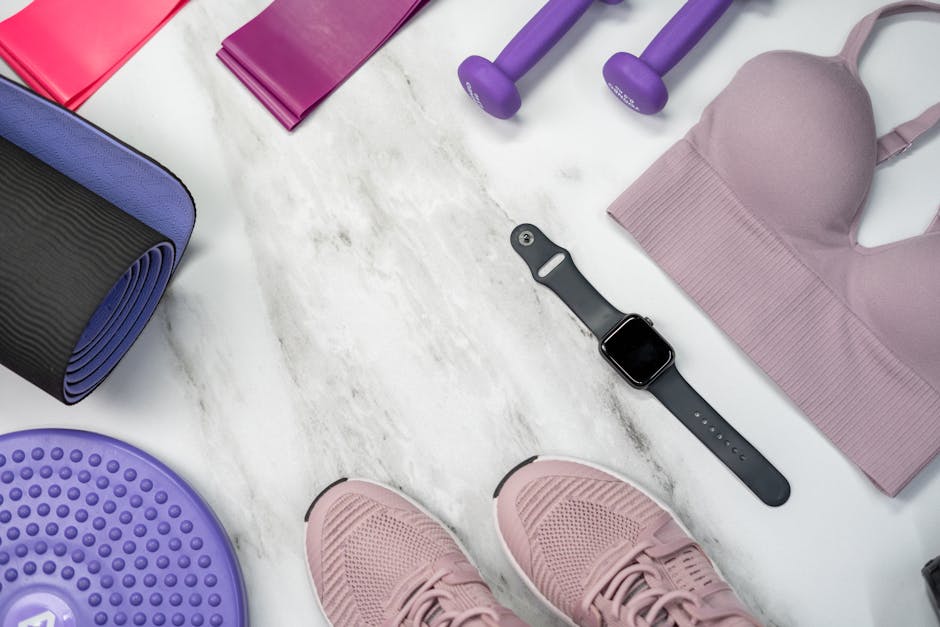
Not everyone needs an ECG sensor, titanium casing, or LTE connectivity. The UK market offers incredible budget and mid-range options that deliver 80% of the flagship experience for a fraction of the price. If you are conscious of your spending, understanding the compromises is key.
| Category | Price Range (UK) | Typical Features | Ideal For |
|---|---|---|---|
| Budget (Fitness Bands) | £40 – £100 | Step tracking, basic HR, long battery, notifications | Beginners, sleep tracking, minimalists |
| Mid-Range Smartwatches | £150 – £250 | GPS, music storage, mobile payments, aluminum build | Everyday users, casual runners |
| Premium Flagships | £350 – £800+ | ECG, LTE options, Titanium/Sapphire, advanced metrics | Tech enthusiasts, serious athletes, status symbol |
The Value Champions
If you want the Apple experience on a budget, the Apple Watch SE (2nd Gen) is exceptional. It strips away the Always-On display, ECG, and blood oxygen sensors, but keeps the same core processor, crash detection, and seamless watchOS experience. For around £219, it is the most logical entry point for iOS users.
On the Android side, the older Samsung Galaxy Watch 5 or even the Galaxy Watch 4 are frequently discounted on platforms like Amazon UK. They run the same Wear OS software as the newer models, and unless you desperately need the slightly larger battery or the physical rotating bezel of the Watch 6 Classic, they offer unbeatable value for money.
🛒 Samsung Galaxy Watch 6 Classic 47mm Bluetooth Smartwatch
View on Amazon →
As an Amazon Associate, we earn from qualifying purchases.
The Luxury Tier
At the opposite end of the spectrum sits the Apple Watch Ultra 2 and the Garmin Epix Pro. Costing north of £750, these devices are status symbols as much as they are tools. They utilize aerospace-grade titanium, incredibly bright screens (up to 3000 nits on the Ultra 2), precision dual-frequency GPS, and dive-computer capabilities. While overkill for the average consumer, they offer no-compromise performance for those who demand the absolute best technology currently available.
6. Summary and Final Verdict
The journey to finding the right wearable does not have to be complicated. By breaking down your smartphone ecosystem, your primary use case (fitness vs. lifestyle), and your budget, the ideal choice quickly becomes apparent. If you use an iPhone, the Apple Watch Series 9 is brilliant, while the SE provides unmatched value. Android users cannot go wrong with the sleek performance of the Galaxy Watch 6 or the minimalist beauty of the Pixel Watch 2. Finally, for those whose lives revolve around marathons, hiking, and outdoor adventures, Garmin stands alone in battery endurance and metric depth.
We hope this definitive smartwatch comparison uk has provided you with the clarity needed to make your next tech purchase. Remember that the best smartwatch is not necessarily the one with the most features, but the one that seamlessly integrates into your daily routine, motivating you to stay active and connected without becoming a distraction. Happy tracking!