Choosing the Best NFT Marketplace for Art in 2024
Table of Contents
Introduction: The Digital Art Renaissance
The intersection of technology and creativity has birthed a global renaissance, fundamentally shifting how we value, collect, and interact with digital creations. For decades, digital artists faced a seemingly insurmountable challenge: how do you prove ownership and monetize a file that can be endlessly duplicated? The advent of blockchain technology and Non-Fungible Tokens (NFTs) answered this question, introducing verifiable digital scarcity. However, navigating this new frontier requires more than just artistic talent; it requires strategic decision-making. Finding the right nft marketplace for art can make or break an artist’s career, dictating not only their audience reach but also their royalty structures, gas fees, and overall brand positioning.
An NFT marketplace operates similarly to a traditional art gallery or auction house, but it exists entirely on the blockchain. These decentralized (and sometimes semi-centralized) platforms allow creators to “mint” their digital files—whether they are 3D animations, vector illustrations, or generative code—into unique tokens on networks like Ethereum, Solana, or Tezos. As the ecosystem has matured, these platforms have specialized. Some cater to mass-market collectibles, while others strictly curate high-end, 1-of-1 digital fine art.
Top Platforms: Evaluating Your Options

When evaluating any nft marketplace for art, you must consider the community, the underlying technology, and the curation model. Broadly, platforms fall into two categories: curated and non-curated. Non-curated platforms are open to anyone with a crypto wallet, fostering massive volume but suffering from discoverability issues. Curated platforms require invitations or applications, ensuring a higher standard of art but creating a barrier to entry. Let’s explore the titans of the industry.
1. OpenSea: The Mainstream Giant
OpenSea is the undisputed heavyweight champion of the NFT world. As a peer-to-peer marketplace, it aggregates a massive variety of digital assets, from profile picture (PFP) collections to virtual real estate. For independent artists, OpenSea offers a frictionless entry point. The platform supports multiple blockchains, including Ethereum, Polygon, and Solana, allowing artists to bypass prohibitive gas fees by minting on Layer-2 solutions.
Pros and Cons of OpenSea:
- ✅ Massive, built-in user base and high daily trading volume.
- ✅ Supports lazy minting (buyers pay the gas fee when the item is sold).
- ✅ Multi-chain support for Ethereum, Polygon, Solana, and more.
- ❌ The sheer volume of content makes it incredibly difficult for new artists to be discovered without external marketing.
- ❌ Plagued by copy-mints and stolen artwork due to its permissionless nature.
2. Foundation: The Aesthetic Innovator
Foundation positions itself as the premium destination for digital fine art. Launched in early 2021, it originally utilized a strict invite-only model, which cultivated an aura of exclusivity and high quality. Today, while it has opened up slightly, it remains heavily focused on 1-of-1 digital artworks, photography, and 3D motion graphics. The platform’s sleek, minimalist UI puts the art front and center, appealing to high-net-worth collectors.
Pros and Cons of Foundation:
- ✅ Highly respected brand reputation that elevates the perceived value of your art.
- ✅ Clean, highly aesthetic interface designed specifically for visual creators.
- ✅ Strong community of dedicated art collectors rather than mere flippers.
- ❌ High gas fees, as it operates exclusively on the Ethereum mainnet.
- ❌ Stiff competition; standing out requires producing top-tier, gallery-quality work.
3. SuperRare: The Digital Christie’s
If Foundation is a modern, trendy gallery, SuperRare is the digital equivalent of Christie’s or Sotheby’s. SuperRare is fiercely curated. Artists must undergo a rigorous application process to be accepted, ensuring that only the highest caliber of digital art makes it onto the platform. SuperRare is built on the philosophy of single-edition (1/1) artworks, entirely eschewing the generative PFP trend.
Pros and Cons of SuperRare:
- ✅ Elite status; being accepted is a major milestone for a digital artist.
- ✅ Excellent secondary market royalties programmed directly into the platform’s smart contracts.
- ✅ Features editorial content, interviews, and exhibitions to promote its artists.
- ❌ Extremely difficult to get accepted; the rejection rate is high.
- ❌ Platform fees are higher than average (15% gallery fee on primary sales).
Platform Comparison Matrix
| Marketplace | Curation Level | Primary Blockchain | Best Suited For |
|---|---|---|---|
| OpenSea | None (Open to all) | Ethereum, Polygon, Solana | Beginners, large collections, budget-conscious creators |
| Foundation | Medium | Ethereum | Independent artists, 3D designers, photographers |
| SuperRare | High (Application required) | Ethereum | Established fine artists, premium 1/1 digital art |
| Objkt | Low | Tezos | Eco-conscious artists, experimental art, low-fee minting |
Essential Tools for Digital Creators

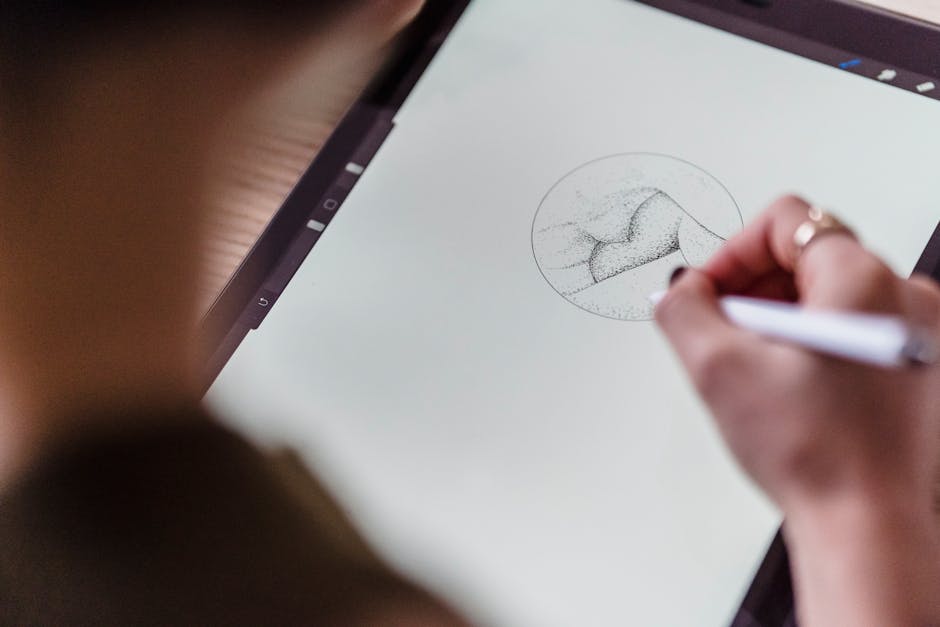
Before you even approach an NFT platform, the foundation of your success relies on the quality of your artwork. The transition from traditional mediums to digital canvases requires a specific set of hardware and software tools. Digital painters, vector artists, and 3D modelers all require robust hardware that can handle intense rendering tasks and provide precise stylus control. The tactile feedback of a professional drawing tablet bridges the gap between the physical brush and the digital pixel, allowing for nuanced strokes and pressure-sensitive detailing that collectors look for in premium NFTs.
🛒 Wacom Cintiq 16 Drawing Tablet with Screen
View on Amazon →
As an Amazon Associate, we earn from qualifying purchases.
Beyond hardware, mastering software like Adobe Creative Cloud, Blender, or Procreate is non-negotiable. Furthermore, many contemporary crypto artists are incorporating AI tools like Midjourney or Stable Diffusion into their workflows. However, pure AI generation is increasingly frowned upon by purist collectors unless it is heavily manipulated and integrated into a broader artistic vision. Your process—your provenance—is just as important as the final JPEG or MP4.
Security & Storage: Protecting Your Masterpieces

Entering the Web3 space requires a fundamental shift in how you view security. Unlike traditional web platforms where a forgotten password can be reset by a customer service representative, the blockchain operates on a system of self-custody. When you create an account on a premier nft marketplace for art, you are actually connecting a Web3 wallet. This wallet generates a seed phrase—a sequence of 12 to 24 words that acts as the ultimate master key to your digital assets and earnings.
Hot wallets, such as MetaMask or Phantom, exist as browser extensions or mobile apps. While they are incredibly convenient for interacting with marketplaces on a daily basis, their constant connection to the internet makes them vulnerable to phishing attacks, malicious smart contracts, and malware. For serious artists and collectors handling high-value digital art, relying solely on a hot wallet is a critical mistake.
This is where cold storage becomes essential. A hardware wallet keeps your private keys entirely offline. When you want to mint an artwork, list it for sale, or transfer funds, you must physically press buttons on the hardware device to approve the transaction. This physical barrier ensures that even if your computer is compromised by a hacker, they cannot access your assets without the physical device.
🛒 Ledger Nano X Crypto Hardware Wallet
View on Amazon →
As an Amazon Associate, we earn from qualifying purchases.
Additionally, it is vital to understand how the art files themselves are stored. The blockchain is not designed to store large image or video files; storing a single high-resolution image directly on Ethereum would cost millions of dollars in gas fees. Instead, the NFT (the token on the blockchain) contains a link pointing to the artwork’s location. If that link points to a centralized server (like AWS) and the server goes down, the artwork disappears, leaving a broken link. Look for platforms that utilize IPFS (InterPlanetary File System) or Arweave, which are decentralized storage networks designed to keep your art files permanent and tamper-proof.
Step-by-Step Guide: Minting and Selling

Taking your art from a file on your hard drive to a live, tradable asset on the blockchain involves a process known as “minting.” While the technical jargon can seem intimidating, the actual process has been highly streamlined by modern marketplaces. Here is a comprehensive roadmap to getting your art published.
Step 1: Set Up and Fund Your Web3 Wallet
Before interacting with any marketplace, you need a wallet. Download a reputable wallet like MetaMask (for Ethereum/Polygon) or Phantom (for Solana). Follow the strict security protocols discussed above. Next, you must purchase the native cryptocurrency of your chosen blockchain (e.g., ETH, SOL, or MATIC) from an exchange like Coinbase or Binance, and transfer it to your wallet. You will need these funds to pay “gas fees”—the computing cost required to process your transaction on the blockchain.
Step 2: Connect to Your Chosen Platform
Navigate to your selected marketplace and click “Connect Wallet.” You will be prompted to sign a signature request. This does not cost gas; it simply proves that you own the wallet. Once connected, take the time to build out your profile. Add a high-quality banner, a profile picture, and a compelling biography. In the Web3 art world, collectors invest in the artist’s story just as much as the art itself. Link your Twitter (X) and Instagram accounts, as social proof is a powerful currency in crypto.
Step 3: Upload and Mint
Click the “Create” or “Mint” button. You will be prompted to upload your file. Ensure your file meets the platform’s size limits and format requirements (commonly JPEG, PNG, MP4, or GLTF for 3D files). Next, you will fill out the metadata:
- Title: Make it evocative and memorable.
- Description: Explain the inspiration, the tools used, and the meaning behind the piece. Tell a story.
- Properties/Attributes: If you are creating a collection, you can add traits (e.g., “Background: Blue”, “Style: Cyberpunk”).
- Royalties: Set your secondary sale royalty percentage (usually between 5% and 10%). This ensures you get paid every time the artwork is resold in the future.
Step 4: Pricing and Listing
Once minted, you must list the item for sale. You generally have two options: a fixed price or an auction. Fixed prices are great for building steady momentum, while auctions (like English auctions with a reserve price) can generate excitement and drive up the final sale price if multiple collectors are interested. Keep market conditions in mind and price your initial pieces competitively to attract your first buyers.
Once your art is purchased by a collector, they will likely want a way to display it in their physical space. The bridge between the digital wallet and the living room wall is one of the most exciting developments in the crypto art space, with dedicated smart frames designed to verify and showcase NFTs.
🛒 Netgear Meural Canvas II Smart Digital Art Frame
View on Amazon →
As an Amazon Associate, we earn from qualifying purchases.
The Future of Digital Art Marketplaces

The landscape of Web3 is notoriously fast-paced. What works today may be obsolete in two years. As we look to the future, several key trends are reshaping how artists and collectors interact. One of the most significant shifts is the migration toward eco-friendly blockchains. Following Ethereum’s transition to Proof-of-Stake (The Merge), the network’s energy consumption dropped by 99.9%. However, gas fees remain a bottleneck. Layer 2 scaling solutions like Arbitrum, Optimism, and Base are rapidly gaining traction, offering the security of Ethereum with the lightning-fast, penny-cheap transactions of alternative chains.
Furthermore, the concept of the Metaverse continues to influence digital art. Marketplaces are increasingly integrating with spatial web platforms like OnCyber or Decentraland, allowing artists to build immersive 3D galleries where buyers can walk around as avatars, view the art on virtual walls, and purchase directly via smart contracts.
Blockchain Comparison for Artists
| Blockchain | Average Mint Fee | Collector Base | Environmental Impact |
|---|---|---|---|
| Ethereum (L1) | $10 – $50+ (Variable) | High-net-worth “Whales” | Low (Post-Merge Proof-of-Stake) |
| Solana | Under $0.01 | Retail, Gamers, PFP traders | Extremely Low |
| Polygon (L2) | Under $0.05 | Mainstream, Web2 integrations | Extremely Low |
| Tezos | Under $0.10 | Underground artists, generative coders | Extremely Low |
Conclusion
Entering the world of crypto art is an exhilarating journey that blends traditional artistic vision with cutting-edge economic technology. Whether you are an established physical painter looking to digitize your portfolio or a native 3D animator ready to monetize your renders, your choice of platform matters. Ultimately, the best nft marketplace for art aligns with your specific aesthetic, your technical comfort level, and the community you wish to build around your work.
Remember that a marketplace is merely a tool. No platform will sell your art for you automatically. Success in this space requires relentless networking on social platforms, engaging authentically in Discord communities, and continuously refining your craft. By prioritizing security through hardware wallets, understanding the nuances of blockchain fees, and selecting the right platform to showcase your genius, you are laying a robust foundation for a thriving career in the digital art renaissance.