Best Smart Home Devices for Seniors to Age in Place
As our loved ones grow older, ensuring their safety, comfort, and independence becomes a top priority. For many older adults, the goal is to “age in place”—remaining in the comfort of their own homes rather than transitioning to assisted living facilities. Thankfully, modern technology has made this dream more accessible and secure than ever before. Integrating the right smart home devices for seniors can transform a standard house into a responsive, safe, and easily manageable environment.
Whether you are a senior looking to upgrade your living space or a family member seeking peace of mind, navigating the world of home automation can feel overwhelming. From voice-activated lighting to advanced fall-detection systems, the market is flooded with gadgets. In this comprehensive guide, we will explore the most impactful assistive technologies, breaking down how they work, why they matter, and how to choose the best options for your unique situation.
Table of Contents
1. The Evolution of Aging in Place

Aging in place refers to a person’s ability to live in their own home and community safely, independently, and comfortably, regardless of age, income, or ability level. Historically, achieving this required expensive structural home modifications—such as installing wheelchair ramps, lowering countertops, or hiring full-time in-home care. While physical modifications are still vital, digital modifications are proving to be equally essential.
The demographic shift is undeniable. According to the AARP, nearly 80% of adults aged 50 and older want to remain in their homes as they age. This desire for independence is heavily supported by the integration of connected devices. The best smart home devices for seniors bridge the gap between complete independence and the need for occasional assistance. They act as invisible caregivers, offering reminders, detecting anomalies in daily routines, and providing instant access to emergency services without feeling intrusive.
Furthermore, these devices offer immense psychological benefits. Loneliness and isolation are significant health risks for older adults. Smart technology not only facilitates easier communication with family through video calls and messaging but also provides a sense of security. Knowing that help is just a voice command away can drastically reduce anxiety for both the senior and their family members.
2. Top Voice Assistants and Convenience Tech

At the heart of any accessible smart home is the voice assistant. For seniors facing challenges with dexterity, arthritis, or failing eyesight, traditional touchscreen devices like smartphones or tablets can be frustrating to navigate. Voice assistants eliminate these physical barriers, allowing users to control their environment, access information, and communicate using only their voice.
Smart Speakers and Displays
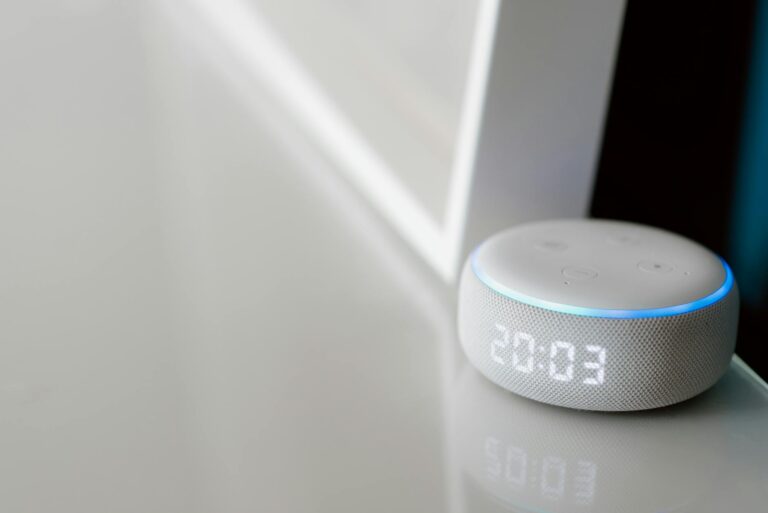
Devices powered by Amazon Alexa, Google Assistant, or Apple Siri act as the central command hub of the home. They can answer questions, play audiobooks, set medication reminders, and make hands-free phone calls. Smart displays take this a step further by adding a visual element. A smart display can show the weather forecast, display family photo albums, and allow for intuitive video calling.
Imagine a scenario where an older adult suffers a minor fall and cannot reach the telephone. With a smart speaker in the room, they can simply shout, “Call my daughter,” or “Call for help,” potentially preventing a minor incident from becoming a severe medical emergency.
🛒 Amazon Echo Show 8 3rd Gen Smart Display with Alexa
View on Amazon →
As an Amazon Associate, we earn from qualifying purchases.
Automated Climate Control
Regulating body temperature becomes more difficult as we age, making a comfortable home climate crucial for health. Smart thermostats learn a user’s preferences and automatically adjust the temperature. More importantly, they allow family members to monitor and adjust the home’s climate remotely. If a sudden winter freeze or a summer heatwave occurs, caregivers can ensure the home remains at a safe temperature without the senior needing to fiddle with a complex wall dial.
Robot Vacuums
Maintaining a clean home is a matter of pride, but pushing a heavy vacuum cleaner can cause physical strain and increase the risk of a fall. Robot vacuums automate this chore. Advanced models can map the home, avoid obstacles, and even empty their own dustbins. By reducing clutter and keeping floors clean, robot vacuums inadvertently reduce tripping hazards, a critical factor in senior home safety.
🛒 iRobot Roomba j7+ Self-Emptying Robot Vacuum
View on Amazon →
As an Amazon Associate, we earn from qualifying purchases.
3. Smart Lighting and Advanced Home Security

Falls are the leading cause of fatal and non-fatal injuries among older adults. A significant number of these falls happen at night when seniors get out of bed to use the restroom in the dark. Smart lighting is arguably one of the most cost-effective and immediate ways to dramatically improve home safety.
Motion-Sensor and Voice-Activated Lighting
Replacing standard bulbs with smart bulbs or installing smart switches allows lights to be controlled via voice or motion. You can set up “routines” so that the moment a senior’s feet touch the floor at 2:00 AM, a soft, low-glare pathway illuminates from the bedroom to the bathroom. This eliminates the need to fumble for light switches in the dark.
Additionally, smart lighting can be programmed to mimic a regular routine even when the house is empty, which acts as a powerful deterrent against burglars. Here is a quick look at the pros and cons of implementing smart lighting for seniors:
- ✅ Pro: Drastically reduces the risk of nighttime falls.
- ✅ Pro: Can be automated to support healthy circadian rhythms (bright blue-toned light in the morning, warm dim light at night).
- ✅ Pro: Voice control eliminates the need to reach for hard-to-access lamps.
- ❌ Con: Requires a stable Wi-Fi connection to function optimally.
- ❌ Con: If a physical switch is turned off, smart bulbs lose connectivity and cannot be turned on via voice. (Smart plugs or smart switches are better alternatives for this reason).
Video Doorbells and Smart Locks
Security goes beyond preventing falls; it includes protecting vulnerable adults from physical intrusions and door-to-door scams. Video doorbells allow seniors to see exactly who is at the door from their smartphone or smart display without having to get up, walk to the door, or open it to a stranger. Two-way audio lets them communicate safely from their armchair.
Smart locks complement video doorbells perfectly. If a caregiver, family member, or medical professional needs to enter the home, the senior can unlock the door via voice command or a smartphone app. Furthermore, family members can be granted unique digital access codes, eliminating the danger of hiding spare keys under doormats.
🛒 Ring Battery Doorbell Plus with Head-to-Toe Video
View on Amazon →
As an Amazon Associate, we earn from qualifying purchases.
4. Health, Wellness, and Medical Monitoring
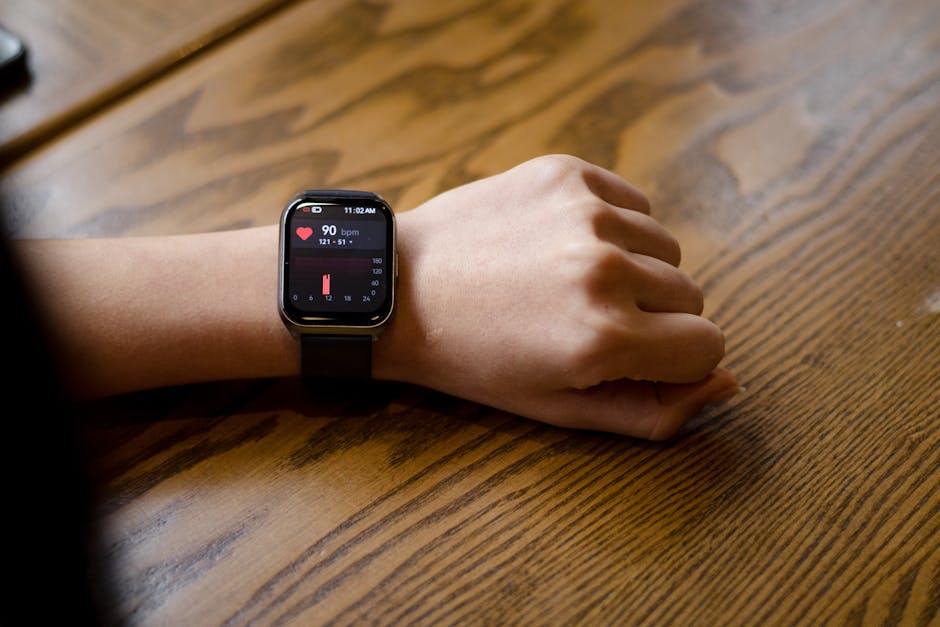
The most specialized category of smart home devices for seniors revolves around health monitoring. While convenience and security are fantastic, the ability to track vital signs, ensure medication adherence, and provide instantaneous emergency response is truly life-saving.
Smart Medication Dispensers
Medication mismanagement is a massive issue for older adults, often leading to hospitalization. Remembering to take multiple pills at various times of the day is confusing. Smart medication dispensers securely lock away medications and only dispense the correct dosage at the exact right time. They use flashing lights and loud alarms to remind the user. If a dose is missed, the device can send an alert directly to a caregiver’s phone.
Wearables and Fall Detection
Traditional medical alert pendants (often referred to as PERS – Personal Emergency Response Systems) have evolved. Today’s smartwatches offer built-in fall detection, heart rate monitoring, blood oxygen levels, and ECG capabilities. Devices like the Apple Watch or specialized senior-focused wearables use complex algorithms to detect a hard fall. If the user doesn’t respond to a prompt, the device automatically dials emergency services and alerts emergency contacts with GPS coordinates.
When deciding between a modern smartwatch and a traditional medical alert system, consider the user’s tech-savviness and specific needs:
| Feature | Smartwatches (e.g., Apple Watch) | Dedicated Medical Alert Pendants |
|---|---|---|
| Aesthetics | Looks like regular, modern jewelry/tech. Highly discreet. | Often obvious as a medical device, which may cause stigma. |
| Battery Life | Requires daily or every-other-day charging. | Batteries often last months or years without charging. |
| Features | Extensive (calls, texts, fitness tracking, ECG). | Focused solely on emergency response and fall detection. |
| Ease of Use | Moderate learning curve for non-tech-savvy users. | Extremely simple (usually just one button). |
5. How to Set Up the Ultimate Senior-Friendly Smart Home
Purchasing the best smart home devices for seniors is only half the battle. The real challenge often lies in the setup, integration, and ensuring the user feels comfortable interacting with the new technology. Overwhelming an older adult with ten different apps and a barrage of notifications is counterproductive and can lead to technology abandonment.
Step 1: Build a Strong Wi-Fi Foundation
Smart homes run on Wi-Fi. If the internet connection drops, voice assistants stop working, cameras go blind, and smart locks may lose remote capabilities. Invest in a high-quality mesh Wi-Fi system to eliminate dead zones in the house. Ensure the router is plugged into an Uninterruptible Power Supply (UPS) battery backup so that basic connectivity remains active during brief power outages.
Step 2: Choose One Unified Ecosystem
Avoid mixing and matching too many brands that require different apps. If you choose Amazon Alexa as the voice assistant, ensure the smart plugs, cameras, and thermostats you buy are specifically labeled “Works with Alexa.” Keeping everything under one ecosystem allows you (the caregiver) to manage the entire home from a single app on your own phone.
| Ecosystem | Best For… | Caregiver Remote Access |
|---|---|---|
| Amazon Alexa | Broadest device compatibility, excellent “Alexa Together” senior care subscription features. | Excellent. Drop-in features allow instant communication. |
| Google Home | Answering complex conversational questions and integrating with Android devices. | Very Good. Easy sharing of home controls via Google accounts. |
| Apple HomeKit | Seniors already heavily using iPhones, iPads, and Apple Watches. High privacy focus. | Good, but requires caregivers to also use Apple devices. |
Step 3: Automate Everything Possible
The best technology requires no user input at all. Set up routines that happen automatically in the background. For example:
- Sunset Routine: When the sun goes down, the porch light turns on, the thermostat adjusts to 70 degrees, and the front door locks.
- Morning Routine: At 8:00 AM, the kitchen lights turn on, the smart speaker reads the daily weather and news, and reminds the senior to take their morning pills.
- Away Routine: If no motion is detected in the house for a specified period, the system alerts a caregiver to check in.
Step 4: Address Privacy and Consent
It is absolutely vital to have an open, respectful conversation with your aging loved ones about privacy. Cameras in living areas or tracking devices can feel invasive. Always explain why a device is being installed (e.g., “This camera on the porch is to protect you from scammers, not to spy on you”). Never install interior cameras in private areas like bedrooms or bathrooms. Opt for motion sensors or radar-based fall detectors in these spaces instead, which maintain privacy while still ensuring safety.
6. Summary and Conclusion
Navigating the later stages of life should be marked by comfort, dignity, and peace of mind, not fear and hazard. By carefully selecting and integrating the best smart home devices for seniors, families can create an environment that adapts to the changing needs of older adults. From the simple convenience of voice-controlled lighting and robotic vacuums to the critical safety net provided by video doorbells and wearable fall detectors, technology offers incredible solutions for aging in place.
Remember that the key to a successful transition into a smart home is patience and personalization. Start small—perhaps with a single voice assistant and a few smart bulbs. Allow your loved one to experience the benefits without feeling overwhelmed by a sudden digital overhaul. As they grow more comfortable, you can gradually introduce more advanced health and security monitoring systems.
Ultimately, smart home technology is not a replacement for human connection, love, and attentive caregiving. However, it is an exceptionally powerful set of tools that can empower seniors to maintain their cherished independence, while giving those who love them the invaluable gift of peace of mind.