Best Crypto Exchange Singapore: Top Picks for 2024
Singapore has firmly established itself as a premier global hub for cryptocurrency and blockchain technology. With clear regulatory frameworks, a tech-savvy population, and robust financial infrastructure, trading digital assets here is safer and more accessible than ever before. But with a growing number of platforms operating in the Lion City, finding the best crypto exchange singapore has to offer can feel like navigating a maze.
Whether you are a seasoned day trader looking for advanced charting tools and deep liquidity, or a complete beginner taking your first steps into Bitcoin and Ethereum, choosing the right platform is paramount. Your choice of exchange impacts everything from the trading fees you pay to the security of your digital assets.
In this comprehensive 2024 guide, we will break down the top MAS-regulated platforms, compare their fees, explore their features, and help you select the ideal exchange for your crypto journey.
Table of Contents
Understanding Crypto Regulations in Singapore

Before diving into specific platforms, it is crucial to understand the regulatory landscape that makes Singapore unique. Unlike many jurisdictions that have taken a combative stance against cryptocurrencies, Singapore has adopted a progressive, balanced approach aimed at fostering innovation while aggressively mitigating risks like money laundering and terrorism financing.
The Monetary Authority of Singapore (MAS) regulates cryptocurrency exchanges under the Payment Services Act (PSA), which came into effect in January 2020. Under this act, entities providing digital payment token (DPT) services must apply for a license to operate. Specifically, exchanges require a Major Payment Institution (MPI) license to offer crypto-to-fiat and crypto-to-crypto trading pairs to retail and institutional investors.
Why MAS Regulation Matters to You
Using an unregulated or offshore exchange might tempt you with a wider variety of obscure altcoins or higher leverage limits, but it carries immense risk. In the event of a hack or platform insolvency (as seen in the infamous collapse of FTX), users of unregulated exchanges often have no legal recourse.
When you trade on an MAS-regulated platform, you benefit from strict compliance requirements. These exchanges must segregate customer funds from operational funds, implement robust cybersecurity protocols, and perform rigorous Know Your Customer (KYC) and Anti-Money Laundering (AML) checks. This regulatory oversight is what ultimately separates a secure trading environment from a risky gamble.
Top 5 Best Crypto Exchanges in Singapore
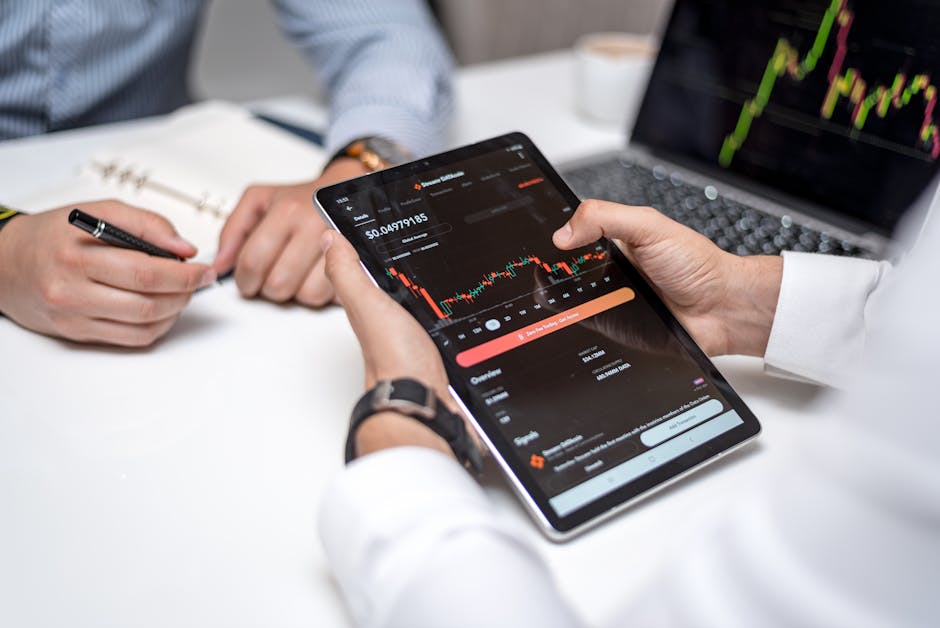
If you want to find the best crypto exchange singapore residents can trust, you need to look at platforms that combine regulatory compliance, user-friendly interfaces, competitive fees, and seamless local fiat on-ramps. Here is our in-depth review of the top 5 platforms leading the market in 2024.
1. Independent Reserve
Founded in Australia in 2013, Independent Reserve was one of the first cryptocurrency exchanges to receive the coveted Major Payment Institution (MPI) license from MAS in 2021. It is widely regarded as a premium platform tailored for serious investors, institutional clients, and Self-Managed Super Funds (in Australia), but its straightforward interface makes it highly accessible to retail investors in Singapore.
Independent Reserve prides itself on security, institutional-grade infrastructure, and deep liquidity. They offer over-the-counter (OTC) trading desks for high-net-worth individuals and a highly responsive customer support team based in the region. Their direct integration with FAST (Fast and Secure Transfers) allows for instant SGD deposits and withdrawals.
- ✅ Pros:
- Fully licensed by MAS with top-tier regulatory compliance.
- Instant and free SGD deposits via FAST.
- Institutional-grade security with regular external audits.
- Excellent, responsive customer support.
- ❌ Cons:
- Trading fees (starting at 0.50%) are slightly higher than some competitors.
- Smaller selection of altcoins compared to global mega-exchanges.
2. Coinhako
Coinhako is a homegrown success story. Founded in 2014, it is one of the most recognized and widely used local cryptocurrency platforms. With its primary focus on the Asian market, Coinhako was built specifically to cater to Singaporean users, making it arguably the easiest platform for absolute beginners to buy, sell, and store digital assets.
The Coinhako app features an incredibly intuitive user interface. Through its integration with Singpass, user onboarding and KYC verification take only a few minutes. Users can easily fund their accounts using PayNow or FAST transfers. While it operates more like a brokerage than an advanced order-book exchange, the convenience it offers is unparalleled for those looking to make quick purchases.
- ✅ Pros:
- Ultra-convenient Singpass integration for fast KYC.
- Seamless PayNow and FAST SGD funding.
- Very user-friendly mobile app, perfect for beginners.
- Supports a wide variety of tokens and altcoins.
- ❌ Cons:
- Flat 1% trading fee is relatively high (though reducible with reward points).
- Lacks advanced charting and complex order types for day traders.
3. Crypto.com
Crypto.com is a global powerhouse that has made Singapore its global headquarters. Holding an MPI license from MAS, Crypto.com offers an expansive ecosystem that goes far beyond simple trading. Their main mobile app acts as a broker for easy buying and selling, while the Crypto.com Exchange caters to advanced traders with deep order books and significantly lower fees.
One of the standout features of Crypto.com is its metal Visa card, which allows users to spend their crypto seamlessly while earning cashback in CRO (their native token). They also offer extensive “Earn” features, allowing users to generate yield on their idle crypto assets, though regulatory restrictions may apply to certain yield-generating products in Singapore.
- ✅ Pros:
- Massive selection of over 250+ cryptocurrencies.
- Extremely low trading fees on the Exchange platform (starting at 0.075%).
- Popular Crypto.com Visa debit card for spending.
- Robust security with large insurance coverage for digital assets.
- ❌ Cons:
- The ecosystem (App, Exchange, DeFi Wallet) can be confusing for beginners.
- Customer support can sometimes be slow during peak market volatility.
4. Coinbase Singapore
Coinbase, a publicly traded company on the Nasdaq, obtained its MPI license from MAS in 2023. As one of the largest and most trusted exchanges globally, Coinbase brings a wealth of experience, unmatched security, and a highly polished user experience to the local market. They have specifically tailored their Singapore offering by enabling direct FAST transfers and Singpass onboarding.
Coinbase offers two main interfaces: simple trading for beginners and “Advanced Trade” for experienced users looking for lower fees and comprehensive technical analysis tools. They also offer a secure web3 wallet, staking services, and comprehensive educational resources through Coinbase Learn.
- ✅ Pros:
- Global reputation as a publicly traded, highly regulated entity.
- Excellent UI/UX across both web and mobile platforms.
- Advanced Trade offers competitive fees and TradingView charts.
- Singpass integration and FAST deposits available.
- ❌ Cons:
- Standard consumer app has high, somewhat opaque spread-based fees.
- Staking options may be limited based on local regulatory updates.
5. Gemini
Founded by the Winklevoss twins, Gemini is renowned for its “security-first” mantra. It is a highly regulated trust company based in New York but has a strong presence in Singapore, operating under a regulatory exemption while pursuing its full MAS license. Gemini is known for its clean interface, institutional-grade custody solutions, and the robust ActiveTrader platform.
Gemini was one of the first platforms to embrace strict regulatory compliance worldwide. It supports a solid range of tokens and provides easy SGD funding via FAST. For intermediate to advanced traders, the Gemini ActiveTrader interface offers competitive fee tiers and a suite of advanced order types.
- ✅ Pros:
- Industry-leading security and compliance standards.
- ActiveTrader interface features highly competitive maker/taker fees.
- Easy SGD on-ramps via FAST transfers.
- Strong institutional support and custody solutions.
- ❌ Cons:
- The standard mobile app trading fees are expensive.
- Fewer low-cap altcoins compared to Crypto.com or offshore exchanges.
Exchange Comparison Table
To help you digest all this information, here is a quick comparison of our top picks based on fees, supported assets, and funding methods.
| Exchange | MAS Status | Base Trading Fee | SGD Deposits | Best For |
|---|---|---|---|---|
| Independent Reserve | MPI Licensed | 0.50% | FAST (Free) | Security & High Net Worth |
| Coinhako | MPI Licensed | 1.00% | PayNow / FAST | Absolute Beginners |
| Crypto.com | MPI Licensed | 0.075% (Exchange) | FAST / StraitsX | Altcoins & Low Fees |
| Coinbase SG | MPI Licensed | 0.40% (Advanced) | FAST | Global Reliability |
| Gemini | In-Principle / Exempt | 0.40% (ActiveTrader) | FAST | Institutional Custody |
How to Choose the Right Platform

Determining the best crypto exchange singapore for your specific needs requires evaluating several key factors. What works for a professional day trader executing dozens of transactions a day will not be the same as what works for a long-term investor looking to buy a small amount of Bitcoin every month. Here is a breakdown of what you need to consider:
1. Security and Regulation
Never compromise on security. Ensure the exchange is licensed by MAS or operates under a valid exemption. Look for platforms that offer Two-Factor Authentication (2FA), mandatory email confirmations for withdrawals, and cold storage for the majority of customer funds. Whitelisting withdrawal addresses is another crucial feature that prevents unauthorized transfers even if your account is compromised.
2. Trading Fees and Spreads
Fees can eat into your returns significantly, especially if you trade frequently. Pay attention to both trading commissions (maker/taker fees) and the “spread” (the difference between the buy and sell price). Brokerage-style apps like Coinhako and the standard Coinbase app charge higher fees for convenience. Advanced platforms like Crypto.com Exchange or Gemini ActiveTrader offer much lower fees but require a bit more technical knowledge to navigate.
3. SGD Funding Methods
A good local exchange should make it easy to move fiat currency in and out. Fast and Secure Transfers (FAST) and PayNow are the gold standards in Singapore, allowing for instant, zero-fee or low-fee deposits directly from your bank account. Avoid exchanges that only allow credit card purchases, as banks often charge hefty cash-advance fees for crypto transactions.
4. Asset Variety
If you only plan to buy Bitcoin and Ethereum, any of the top 5 exchanges will suffice. However, if you are interested in exploring smaller market cap altcoins, decentralized finance (DeFi) tokens, or gaming tokens, platforms like Crypto.com or Coinhako will provide a much broader selection than Independent Reserve.
Storing Your Crypto Safely

Once you have purchased your digital assets on an exchange, you face a critical decision: where do you store them? The phrase “Not your keys, not your coins” is a core tenet of the cryptocurrency community. Leaving your funds on an exchange means you are trusting a third party with your wealth. While MAS-regulated exchanges are very secure, taking self-custody of your long-term holdings is generally recommended.
Hot Wallets vs. Cold Wallets
A hot wallet is a software application connected to the internet (like MetaMask or Trust Wallet). They are convenient for regular use and interacting with decentralized applications, but their constant internet connection makes them more vulnerable to malware and phishing attacks.
A cold wallet (or hardware wallet) is a physical device that stores your private keys offline. They are virtually immune to online hacking attempts because transactions must be physically approved on the device itself. For anyone holding a significant amount of cryptocurrency, investing in a reputable cold wallet is an absolute necessity.
The Ledger Nano X is one of the most popular choices worldwide, offering Bluetooth connectivity and support for thousands of different coins.
🛒 Ledger Nano X Crypto Hardware Wallet
View on Amazon →
As an Amazon Associate, we earn from qualifying purchases.
Alternatively, the Trezor Model T is an exceptional choice, featuring a color touchscreen for easy transaction verification and fully open-source software, making it a favorite among security purists.
🛒 Trezor Model T Advanced Crypto Cold Wallet
View on Amazon →
As an Amazon Associate, we earn from qualifying purchases.
Storage Comparison
| Storage Type | Security Level | Convenience | Cost | Best For |
|---|---|---|---|---|
| Exchange Wallet | Moderate | Very High | Free | Active trading, small amounts |
| Hot Wallet (App) | Good | High | Free | DeFi interaction, NFTs |
| Cold Wallet (Hardware) | Maximum | Low | $80 – $250 | Long-term saving, large amounts |
Step-by-Step Guide: Buying Your First Crypto in Singapore

Getting started is surprisingly fast and easy, thanks to the integration of local tech infrastructure with modern crypto platforms. Here is a step-by-step walkthrough of how you can buy your first cryptocurrency in Singapore:
- Select an Exchange: Based on our review above, choose the exchange that fits your needs. For this example, let’s assume you choose an MAS-regulated platform like Coinhako or Coinbase.
- Register and Verify (KYC): Download the official app or visit the website. Create an account with a secure email and password. You will then be prompted to verify your identity. The fastest way to do this in Singapore is by linking via Singpass. By authenticating with Singpass, your details are automatically filled in, and approval often takes just a few minutes.
- Set Up Security: Before depositing money, enable Two-Factor Authentication (2FA) using an app like Google Authenticator or Authy. Do not rely solely on SMS 2FA, as it is vulnerable to SIM-swap attacks. For the ultimate account security, consider using a physical hardware security key.
🛒 Yubico YubiKey 5 NFC Two Factor Authentication USB
View on Amazon →
As an Amazon Associate, we earn from qualifying purchases.
- Deposit SGD: Navigate to the deposit section and choose SGD. Select FAST transfer. The exchange will provide you with a unique Virtual Account Number (usually under a major bank like DBS or Standard Chartered) and a specific reference code. Transfer funds from your bank account using these details. FAST deposits are typically credited almost instantly.
- Make Your Trade: Once your SGD balance is updated, go to the trading pair (e.g., BTC/SGD). You can execute a “Market Order” to buy immediately at the current available price, or set a “Limit Order” to buy only if the price drops to a specific target. Confirm your purchase, and the crypto will appear in your exchange wallet!
Tax Implications for Crypto in Singapore
One of the major advantages of living and trading in Singapore is its highly favorable tax regime. When it comes to cryptocurrency, understanding your tax obligations is crucial to avoid running afoul of the Inland Revenue Authority of Singapore (IRAS).
No Capital Gains Tax: Singapore does not levy a capital gains tax. This means that if you are a retail investor who buys Bitcoin, holds it for a year, and sells it at a profit, that profit is entirely tax-free. You do not need to report these casual investment gains to IRAS.
Income Tax on Professional Trading: The caveat is that if IRAS determines you are trading cryptocurrency as a core business activity rather than just personal investment, your profits may be subject to standard income tax. Factors that IRAS considers include the frequency of your trades, the holding period, your primary motive, and whether trading constitutes your main source of income.
Furthermore, if you are paid in cryptocurrency for goods or services (e.g., as a freelancer or employee), that crypto is treated as income and taxed based on its fiat value at the time of receipt.
Frequently Asked Questions
Is it legal to buy cryptocurrency in Singapore?
Yes, buying, selling, and holding cryptocurrency is completely legal in Singapore. The government recognizes digital assets and regulates the service providers (exchanges) through MAS to ensure consumer protection and prevent illicit activities.
Can I buy crypto using my CPF?
No, you cannot use your Central Provident Fund (CPF) directly to purchase cryptocurrencies. CPF funds are strictly regulated and restricted to approved investment products, which currently do not include highly volatile digital assets.
What is the cheapest way to buy Bitcoin in Singapore?
To get the lowest fees, avoid “instant buy” features on brokerage apps. Instead, deposit SGD via FAST transfer for free, and use an advanced trading interface (like Crypto.com Exchange, Gemini ActiveTrader, or Coinbase Advanced Trade) to execute a limit order. This will reduce your trading fees to a fraction of a percent.
Conclusion
Navigating the cryptocurrency market requires a blend of caution, education, and the right tools. Singapore provides an incredibly secure environment for this, thanks to the vigilant oversight of MAS. Ultimately, the best crypto exchange singapore provides will depend entirely on your personal investment goals.
If you are a complete beginner looking for the most frictionless way to turn SGD into digital assets, local darling Coinhako is tough to beat. If you are a high-net-worth individual or prefer institutional-grade security with premium support, Independent Reserve is an excellent choice. Meanwhile, tech-savvy users looking for the absolute lowest fees and the widest variety of altcoins will thrive on the Crypto.com ecosystem.
Whichever platform you choose, remember the golden rules of crypto investing: prioritize security, use strong Two-Factor Authentication, consider moving long-term holds into cold storage hardware wallets, and never invest more than you can afford to lose. Happy trading!