
Ultimate Remote Working Tools List for 2026 Startups
In the fast-paced ecosystem of 2026, having a meticulously curated remote working tools list is no longer just a luxury—it is the operational backbone of any successful startup. The days of treating distributed work as a temporary experiment are long behind us. Today, remote-first is the default, and the technology enabling it has evolved drastically. Artificial intelligence, spatial computing, and hyper-automated workflows have transformed how teams communicate, build, and scale.
For a startup, choosing the right software stack is a critical decision. Pick the wrong tools, and you risk communication silos, massive security vulnerabilities, and plunging productivity. Pick the right ones, and your distributed team will operate with the synchronicity and speed of a hyper-growth enterprise. As we navigate the complex landscape of 2026, we have rigorously evaluated the market to bring you the definitive guide to outfitting your team.
In this comprehensive guide, we will break down the essential software applications and platforms your startup needs. From next-generation communication hubs to robust zero-trust security platforms, this guide covers every angle of remote operations. Let’s dive into the ultimate tech stack for modern startups.
Table of Contents
1. Communication and Collaboration Hubs

The foundation of any distributed startup is how its people talk to one another. By 2026, the shift from synchronous meetings to asynchronous communication has reached its peak. Startups are prioritizing deep work over endless video calls, and the tools they use reflect this paradigm shift. However, when real-time connection is required, the fidelity and intelligence of those platforms must be flawless.
Slack (The AI-Powered Workspace)
Slack remains the undisputed king of text-based communication, but its 2026 iteration is vastly different from the chat app of the early decade. Slack has fully integrated native AI agents that act as project managers directly within your channels. Instead of scrolling through hundreds of missed messages after a deep-work session, Slack’s AI instantly generates highly accurate summaries, extracts action items, and auto-assigns tasks to integrated project boards.
For startups, Slack’s huddle feature has replaced ad-hoc phone calls, featuring spatial audio that mimics the feeling of sitting in the same room. Furthermore, Slack Connect allows seamless collaboration with external vendors, clients, and investors without leaving your primary workspace ecosystem.
- ✅ Native AI thread summarization and task extraction
- ✅ Seamless async video clips and spatial-audio huddles
- ✅ Thousands of out-of-the-box integrations for startup operations
- ❌ High per-user cost can strain bootstrapped startup budgets
- ❌ Constant notifications can cause context switching if not configured strictly
Zoom Workplace 2026
Zoom has transcended basic video conferencing to become a comprehensive workplace suite. For startups needing to pitch to investors, conduct all-hands meetings, or onboard remote talent, Zoom’s reliability is unmatched. In 2026, Zoom’s real-time AI language translation allows global teams to communicate effortlessly in their native tongues, breaking down borders for startup hiring.
Additionally, Zoom’s smart recording features now automatically generate chapters, highlight clips, and sentiment analysis for every meeting. This means team members who miss a meeting can absorb a one-hour call’s key takeaways in just five minutes.
- ✅ Flawless real-time language translation for global teams
- ✅ AI-generated meeting highlights and sentiment analytics
- ✅ High-fidelity screen sharing suitable for developers and designers
- ❌ Desktop application can be resource-heavy on older hardware
- ❌ Advanced AI features are locked behind higher enterprise pricing tiers
🛒 noise cancelling headset with microphone for zoom calls
View on Amazon →
As an Amazon Associate, we earn from qualifying purchases.
Loom
If a picture is worth a thousand words, a Loom video is worth a thousand meetings. Loom is the ultimate champion of asynchronous work in 2026. Startups use Loom for everything from bug reporting and code walkthroughs to weekly executive updates and new hire onboarding. By recording your screen and your camera simultaneously, you can deliver highly contextual information without aligning schedules.
Loom’s current machine learning models instantly remove filler words, enhance audio quality in noisy environments, and auto-generate interactive transcripts. For startups operating across radically different time zones, Loom is the glue that keeps operations moving without forcing team members to wake up at 3 AM for a sync.
- ✅ Dramatically reduces the number of unnecessary live meetings
- ✅ Instant, highly accurate transcripts and automatic filler-word removal
- ✅ Easy embedding into Notion, Jira, and Slack
- ❌ Free tier has strict limits on video length and storage space
- ❌ Requires a reliable upload speed for high-definition screen recordings
2. Project Management and Workflow Automation
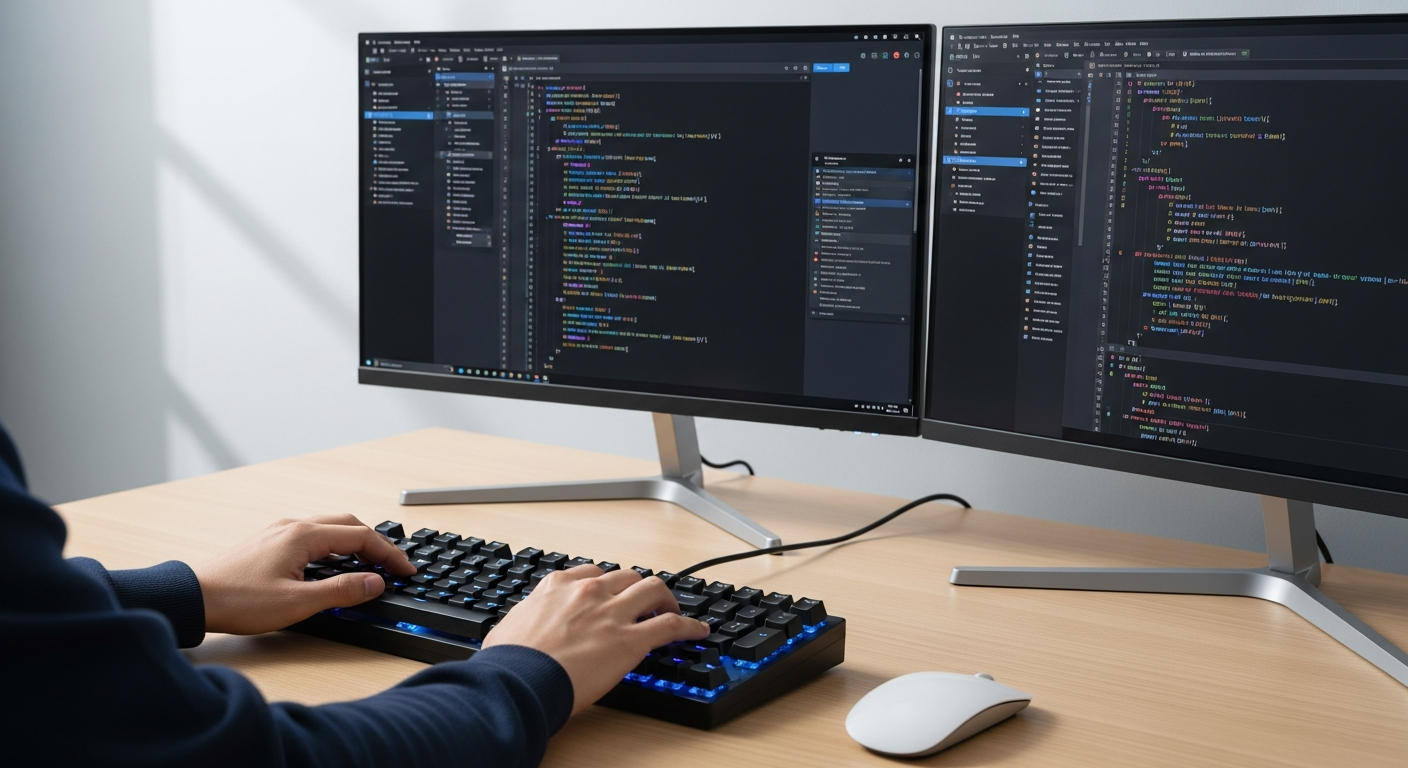
When building your startup’s remote working tools list, project management software sits at the very core. It is the single source of truth for what is being built, who is building it, and when it will be delivered. In 2026, static Kanban boards are obsolete. Startups require dynamic, intelligent systems that can predict bottlenecks, allocate resources automatically, and integrate seamlessly with developer environments.
Linear
For product-led and engineering-heavy startups, Linear has become the gold standard. Built with a keyboard-first philosophy, Linear is lightning-fast and beautifully designed. It forces a level of operational discipline that startups desperately need as they scale from 5 to 50 employees.
In 2026, Linear’s automated roadmapping features sync directly with GitHub and GitLab. When a developer merges a pull request, Linear automatically updates the task status, alerts the QA team, and updates the overarching product roadmap without a single manual click. It represents the pinnacle of workflow automation for technical teams.
- ✅ Blazing fast performance with keyboard-first navigation
- ✅ Unmatched integration with developer tools and version control
- ✅ Forces highly effective, opinionated agile methodologies
- ❌ Steep learning curve for non-technical departments (marketing, HR)
- ❌ Lacks the open-ended database flexibility of Notion
Notion
Notion continues to dominate as the ultimate all-in-one workspace. Startups use Notion for their company wikis, onboarding documents, sprint planning, and content calendars. The power of Notion lies in its block-based flexibility and interconnected databases.
By 2026, Notion AI is woven into the very fabric of the platform. It can instantly draft PRDs (Product Requirements Documents) based on short prompts, turn unstructured meeting notes into organized Kanban boards, and answer natural-language questions about your company’s proprietary data (e.g., “What is our policy on hardware stipends?”). It is the ultimate brain for your distributed startup.
- ✅ Unparalleled flexibility to build custom workflows and wikis
- ✅ Powerful native AI for writing, formatting, and database querying
- ✅ Replaces multiple tools (docs, wikis, basic task managers)
- ❌ Without strict governance, workspaces can become messy and unorganized
- ❌ Mobile application performance still lags slightly behind desktop
Asana
For startups that operate heavily in marketing, design, and complex cross-functional operations, Asana remains a top-tier choice. Asana excels in visualizing workloads across massive teams. Its timeline and Gantt chart views are essential for startups managing complex product launches with dozens of moving parts.
Asana’s 2026 updates introduced predictive workload balancing. The system analyzes historical task completion rates and alerts managers if a specific team member is at risk of burnout before the sprint even begins, allowing leadership to reallocate resources proactively.
- ✅ Excellent visual project tracking (List, Board, Timeline, Calendar)
- ✅ Predictive workload management prevents employee burnout
- ✅ Highly intuitive interface for non-technical team members
- ❌ Can be overly complex for very small, early-stage teams
- ❌ Premium features are expensive as user counts grow
| Tool | Best For | Standout 2026 Feature | Complexity |
|---|---|---|---|
| Linear | Engineering & Product | Automated PR sync & roadmapping | High (Technical) |
| Notion | Company Wiki & All-in-One | Conversational AI data querying | Medium |
| Asana | Marketing & Operations | Predictive burnout alerts | Low |
🛒 pomodoro timer desk clock digital
View on Amazon →
As an Amazon Associate, we earn from qualifying purchases.
3. Cloud Storage and Security Solutions

Security is often the most overlooked aspect of a foundational remote working tools list, especially for early-stage startups racing to build their MVP. However, in 2026, the threat landscape is highly sophisticated, with AI-driven phishing and decentralized network attacks posing existential threats to young companies. Adopting a zero-trust architecture from day one is non-negotiable.
Google Workspace (Enterprise Security)
Google Workspace (formerly G Suite) is the default operating system for most startups, providing Gmail, Drive, Docs, and Sheets. But beyond collaboration, its enterprise-grade security features are vital. In 2026, Google Workspace offers advanced zero-trust access controls, meaning access to company documents is constantly verified based on user identity, device health, and geographic location.
Administrators can set strict Data Loss Prevention (DLP) rules that prevent employees from accidentally (or maliciously) sharing sensitive financial data, customer lists, or proprietary source code outside the company domain. The real-time collaboration is legendary, but the invisible security net is why it remains indispensable.
- ✅ Industry-leading real-time document collaboration
- ✅ Robust zero-trust access and Data Loss Prevention (DLP)
- ✅ Familiar interface requires zero onboarding time for new hires
- ❌ Granular security features require higher-priced enterprise tiers
- ❌ Creates a heavy reliance on the Google ecosystem
1Password
Password management is a fundamental security requirement for any distributed team. 1Password is the premier choice for startups, offering secure vaults for shared company credentials, API keys, and server access tokens. By 2026, 1Password has heavily transitioned into passwordless passkey technology, allowing employees to authenticate using biometric hardware rather than easily compromised text passwords.
For startup founders, 1Password provides seamless onboarding and offboarding. When an employee leaves, access to all shared company vaults can be revoked with a single click, ensuring digital security remains airtight.
- ✅ Widespread support for biometric passkeys (passwordless authentication)
- ✅ Secure sharing of API keys and developer secrets
- ✅ Excellent administrator controls for rapid onboarding/offboarding
- ❌ Master password recovery can be a painful process if lost
- ❌ Requires strict team-wide compliance to be truly effective
NordLayer
Providing secure access to company staging environments and internal databases is critical. Traditional VPNs are slow and cumbersome, but NordLayer offers an agile, cloud-native VPN solution specifically tailored for startups. It allows remote employees to securely connect to the company’s digital perimeter from any coffee shop or co-working space in the world.
NordLayer in 2026 features smart routing and dedicated IP options, ensuring that your developers can whitelist a single, secure IP address for AWS or Google Cloud access, completely blocking unauthorized external traffic.
- ✅ Cloud-native infrastructure requires no physical server maintenance
- ✅ Dedicated IPs for secure whitelisting to cloud infrastructure
- ✅ Enforces multi-factor authentication (MFA) at the network level
- ❌ Can occasionally cause connection latency depending on geographic routing
- ❌ Pricing scales steeply as employee headcount increases
| Tool | Primary Function | Security Focus |
|---|---|---|
| Google Workspace | File Storage & Docs | Zero-trust access & DLP |
| 1Password | Credential Management | Passkeys & API key security |
| NordLayer | Network Access | Dedicated IP whitelisting |
4. Virtual Office and Employee Wellness

A comprehensive remote working tools list isn’t complete without software dedicated to human resources, global compliance, and employee well-being. Remote burnout is one of the leading causes of startup failure in 2026. Building a positive, engaging, and legally compliant culture across borders requires specialized, modern tooling.
Deel
Hiring global talent is the biggest advantage of being a remote startup, but navigating international tax laws, payroll, and compliance is a nightmare. Deel abstracts all of this complexity. In 2026, Deel allows startups to hire full-time employees or contractors in over 150 countries with a few clicks.
Deel handles local health insurance, pensions, tax withholding, and currency exchange. It ensures that your startup is legally compliant with local labor laws, protecting founders from massive liabilities. For a distributed startup, Deel is effectively an automated, global HR department.
- ✅ Instant global payroll and legally vetted localized contracts
- ✅ Handles all local tax withholding and compliance automatically
- ✅ Streamlines hardware provisioning for international hires
- ❌ Monthly fees per employee can add up quickly for larger startups
- ❌ Customer support can be slow during peak end-of-month payroll cycles
Gather
Zoom fatigue is real. To combat this, innovative startups in 2026 are using Gather, a virtual office platform that looks like a 2D RPG video game. Employees have avatars and can walk around a customized digital office. As your avatar approaches another colleague’s avatar, your video and audio seamlessly fade in.
Gather brings back the serendipitous “watercooler” moments of physical offices. You can walk up to a designer’s virtual desk to ask a quick question, collaborate on a virtual whiteboard, or host Friday game nights in the virtual lounge. It is a powerful tool for combating remote isolation and building real human connections.
- ✅ Fosters organic, spontaneous conversations and team bonding
- ✅ Customizable digital offices reflect the startup’s unique brand culture
- ✅ Reduces the formality and fatigue of scheduled video links
- ❌ Can be distracting if company culture doesn’t establish “do not disturb” norms
- ❌ Requires a stable browser and internet connection to run smoothly
Bonusly
Recognizing hard work is difficult when you can’t give a high-five in the hallway. Bonusly solves this by gamifying peer-to-peer recognition. Every month, employees are given a micro-budget of points to distribute to their peers for helping with projects, demonstrating company values, or hitting major milestones.
These points can be cashed out for real-world rewards, such as gift cards, charitable donations, or hardware upgrades. By 2026, Bonusly integrates deeply with Slack, allowing teammates to publicly recognize each other directly in their daily workflow, creating a constant, visible stream of positivity and appreciation.
- ✅ Democratizes recognition, empowering peers rather than just managers
- ✅ Integrates flawlessly with Slack for visible, public shoutouts
- ✅ Tangible rewards improve employee retention and morale
- ❌ Requires budget allocation for the actual monetary rewards
- ❌ If not championed by leadership, platform usage can drop off
🛒 ergonomic standing desk converter motorized
View on Amazon →
As an Amazon Associate, we earn from qualifying purchases.
5. Conclusion: Building Your 2026 Tech Stack
Curating the perfect remote working tools list for your startup is an ongoing process. As you scale from a nimble team of founders to a robust, globally distributed enterprise, your needs will inevitably change. However, by establishing a foundation built on intelligent, secure, and highly integrated software in 2026, you position your company for explosive, sustainable growth.
Remember that tools are only as effective as the culture that wields them. Implement software like Linear and Notion to drive unparalleled productivity, but don’t forget to utilize platforms like Loom and Gather to protect your team’s mental well-being and foster human connection. Evaluate your software stack quarterly, eliminate redundancies, and embrace the AI-driven automations that define modern remote work. By combining these powerful tools with strong operational discipline, your startup will be unstoppable in the global market.