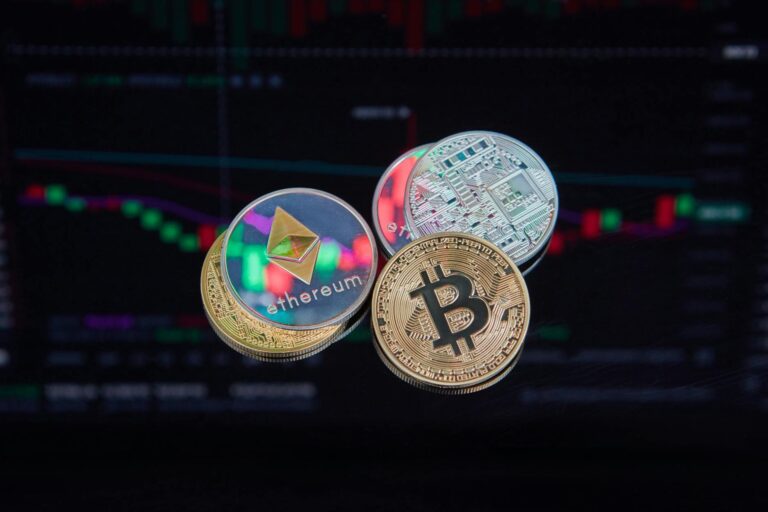
The Best Crypto Exchange UK: Top Platforms for 2024
- Top 5 UK Crypto Platforms Reviewed
- Detailed Comparison of Trading Fees
- How We Evaluated the Platforms
- Navigating FCA Crypto Regulations
- Centralised vs Decentralised Exchanges
- Step-by-Step Guide to Buying Crypto
- Essential Security Tips
- UK Crypto Taxes Explained (HMRC Rules)
- Frequently Asked Questions
- Conclusion & Final Thoughts
The cryptocurrency landscape has matured significantly over the past few years. With strict new regulations introduced by the Financial Conduct Authority (FCA) to protect consumers, the market in the United Kingdom is safer, more transparent, and more structured than ever before. Whether you are a seasoned day trader looking for advanced charting tools or a complete beginner taking your very first steps into digital assets, finding the best crypto exchange uk is your most important initial decision. The platform you choose will dictate the fees you pay, the security of your funds, and the variety of assets available to you.
In this comprehensive guide, we will dive deep into the top-performing cryptocurrency platforms available to British residents. We will analyze their fee structures, security measures, user experiences, and regulatory standing to help you make an informed choice in 2024.
Top 5 UK Crypto Platforms Reviewed
Our research team has tested dozens of platforms to bring you this curated list. Below are detailed reviews of the industry leaders that consistently rank highly for UK investors.
1. eToro – Best Overall for Beginners and Social Trading
eToro is a powerhouse in the retail investing space, offering both traditional stocks and a robust selection of cryptocurrencies. What sets eToro apart is its user-friendly interface and its pioneering “CopyTrader” feature, which allows you to automatically mirror the trades of successful, vetted crypto investors. It is fully registered with the FCA, offering peace of mind to UK consumers. However, keep in mind that eToro charges a flat 1% fee on crypto trades, which is embedded into the spread, meaning it might not be the absolute cheapest option for high-volume day traders.
- ✅ Pros: Extremely intuitive mobile and web app, FCA registered, offers copy trading, supports free GBP deposits via Faster Payments.
- ❌ Cons: 1% spread fee is higher than dedicated pro-exchanges, charges a $5 withdrawal fee.
2. Kraken – Best for Low Fees and Advanced Security
Founded in 2011, Kraken is one of the oldest and most respected cryptocurrency exchanges in the world. For UK users, Kraken offers exceptional liquidity and highly competitive fees—especially if you use their Kraken Pro interface. Kraken is renowned for its bank-grade security; they have never suffered a major hack and they store 95% of client funds in air-gapped cold storage. They offer over 200 cryptocurrencies and instant GBP deposits via Faster Payments (FPS).
- ✅ Pros: Industry-leading security protocols, incredibly low fees on Kraken Pro (starting at 0.26% or lower), excellent 24/7 live chat support.
- ❌ Cons: The standard Kraken interface has higher fees, and the Pro version can be overwhelming for absolute beginners.
3. Coinbase – Best for Ease of Use and Educational Rewards
If you want to buy Bitcoin within five minutes of downloading an app, Coinbase is the standard-bearer. It offers arguably the smoothest user experience in the industry. UK users benefit from fast GBP banking integration and the “Coinbase Learn” program, which pays you in crypto for watching short educational videos. While standard trading fees can be quite high, users can switch to “Advanced Trade” (formerly Coinbase Pro) to access much cheaper maker/taker fees.
- ✅ Pros: Phenomenal user interface, highly trusted publicly traded company, educational rewards, easy integration with UK banks.
- ❌ Cons: Standard transaction fees are notoriously high and sometimes opaque, customer support can be slow during bull markets.
4. Uphold – Best for Multi-Asset Trading
Uphold is unique because it is an “Anything-to-Anything” platform. This means you can trade directly between asset classes—for example, trading Bitcoin directly for Gold or US Equities, all within the same platform. Uphold is fully transparent, publishing its assets and liabilities in real-time to prove they hold 100% of user funds in reserve. They are FCA registered and support over 250 digital assets.
- ✅ Pros: 100% transparent reserve proof, unique cross-asset trading, no deposit or withdrawal fees for UK bank transfers.
- ❌ Cons: Spread-based pricing can make trading expensive during times of high market volatility, charting tools are basic.
5. Bitstamp – Best for Reliability and Customer Support
As the longest-running crypto exchange in the world (established in 2011), Bitstamp has a reputation for reliability and steady performance. It is a highly regulated platform that caters well to both individuals and institutional clients in the UK. Bitstamp offers a stripped-back, professional trading environment with very competitive fees and excellent phone-based customer support, a rarity in the crypto space.
- ✅ Pros: Exceptional track record of reliability, transparent fee structure, human customer support available via phone.
- ❌ Cons: Smaller selection of altcoins compared to competitors, less flashy interface.
Detailed Comparison of Trading Fees
Fees can eat heavily into your investment returns over time. It is crucial to understand the difference between spread markups, maker/taker fees, and non-trading fees (like withdrawal or inactivity fees). Below is a comprehensive breakdown of how the top platforms compare.
| Exchange | Standard Trading Fee | Pro/Advanced Fee | GBP Deposit Fee (FPS) | Fiat Withdrawal Fee |
|---|---|---|---|---|
| eToro | 1% (built into spread) | N/A | Free | $5 (approx. £4) |
| Kraken | 1.5% | 0.16% / 0.26% | Free | Free (or up to £1.95) |
| Coinbase | Varies (approx. 1.49%+) | 0.40% / 0.60% | Free | Free |
| Uphold | 1.2% – 1.8% (spread) | N/A | Free | Free |
| Bitstamp | 0.30% / 0.40% | 0.30% / 0.40% | Free | £2.00 |
How We Evaluated the Platforms
When searching for the best crypto exchange uk, it is essential to look beyond just the marketing hype. Our evaluation process is rigorous and focuses on the metrics that directly impact British consumers. We spent hundreds of hours depositing funds, executing trades, testing customer support, and withdrawing assets to score these platforms.
- Regulatory Compliance: The UK has implemented stringent rules regarding crypto marketing and anti-money laundering (AML). We prioritized platforms that are either registered with the Financial Conduct Authority (FCA) or have robust partnerships to ensure compliance with UK Financial Promotions rules.
- Cost Efficiency: We looked at the total cost of ownership. This includes deposit fees, trading commissions, spread markups, and withdrawal fees. An exchange might boast “zero fees” but hide massive costs in their bid/ask spread.
- GBP Banking Integration: Smooth fiat on-ramps and off-ramps are critical. Platforms scoring highly offer free and instant GBP deposits and withdrawals via the UK’s Faster Payments Service (FPS) or CHAPS.
- Security Protocols: We evaluated cold storage ratios, the implementation of Two-Factor Authentication (2FA), address whitelisting, and the platform’s historical security track record. None of our top picks have suffered recent, uncompensated catastrophic breaches.
- Asset Variety: While Bitcoin and Ethereum are standard, many investors want exposure to mid-cap and small-cap altcoins. We weighed the quantity and quality of supported tokens against the platform’s overall security.

Navigating FCA Crypto Regulations
The regulatory environment for cryptocurrencies in the United Kingdom changed dramatically between late 2023 and early 2024. The Financial Conduct Authority (FCA) implemented strict new rules specifically targeting how crypto assets can be marketed to UK consumers. Understanding these rules is vital for your protection.
- Risk Warnings: You will now notice prominent risk warnings on all compliant platforms, explicitly stating: “Don’t invest unless you’re prepared to lose all the money you invest. This is a high-risk investment and you should not expect to be protected if something goes wrong.”
- Cooling-Off Period: New UK users signing up for a crypto exchange are now subject to a 24-hour “cooling-off” period. This means after you create your account, you must wait 24 hours before you are legally permitted to make your first trade. This is designed to prevent impulsive financial decisions.
- Appropriateness Assessments: Before you can trade, compliant exchanges will ask you a series of multiple-choice questions to ensure you understand the risks of crypto investing. If you fail, you may be restricted from funding your account.
- No FSCS Protection: It is critical to understand that unlike money held in a traditional UK bank account, crypto assets are not covered by the Financial Services Compensation Scheme (FSCS). If the exchange goes bankrupt, your funds are at severe risk.

Centralised vs Decentralised Exchanges
As you dive deeper into the crypto ecosystem, you will hear the terms Centralised Exchange (CEX) and Decentralised Exchange (DEX). Understanding the difference is crucial for your long-term crypto journey.
Centralised Exchanges (CEX)
Platforms like Kraken, Coinbase, and eToro are Centralised Exchanges. They are run by corporate entities. When you use a CEX, you trust the company to hold your funds securely. They act as the middleman between buyers and sellers, provide customer support, and offer easy fiat-to-crypto conversions via your bank account.
- ✅ Pros: Easy to use, high liquidity, allows GBP deposits/withdrawals, customer support.
- ❌ Cons: You don’t hold your private keys (Not your keys, not your coins), susceptible to corporate mismanagement.
Decentralised Exchanges (DEX)
Platforms like Uniswap or PancakeSwap are Decentralised Exchanges. These are not companies; they are smart contracts running on blockchain networks. You trade directly from your own self-custody wallet (like MetaMask). There is no middleman, no KYC (Know Your Customer) identity verification, and no central server to hack.
- ✅ Pros: Total control of your funds, complete privacy, access to thousands of micro-cap tokens not listed on CEXs.
- ❌ Cons: No customer support, entirely responsible for your own security, cannot deposit GBP directly from a bank.
| Feature | Centralised (CEX) | Decentralised (DEX) |
|---|---|---|
| Fiat (GBP) Support | ✅ Yes | ❌ No |
| Custody of Funds | Exchange holds them | You hold them |
| Identity Verification | Strict (ID & Address required) | None required |
Step-by-Step Guide to Buying Crypto
Ready to make your first purchase? Follow these precise steps to ensure you are doing it safely and cost-effectively via a UK platform.
- Choose a Regulated Exchange: Select one of our top-rated platforms like Kraken, eToro, or Coinbase. Download their official app directly from the Apple App Store or Google Play Store to avoid malicious imitation websites.
- Create and Verify Your Account: Sign up with your email. Due to UK AML laws, you must complete KYC verification. You will need to upload a photo of your Passport or UK Driving Licence, along with a quick selfie video. This usually takes less than 10 minutes to be approved.
- Complete the Appropriateness Test: Answer the short regulatory quiz demonstrating you understand the risks of crypto volatility.
- Wait the 24-Hour Cooling-Off Period: If you are a new investor, use this mandatory waiting period to research the specific assets you wish to buy. Do not succumb to FOMO (Fear Of Missing Out).
- Deposit GBP via Faster Payments: Navigate to the deposit section. Choose ‘Bank Transfer’. The exchange will provide you with a UK sort code and account number, alongside a unique reference code. Crucial step: Always include the reference code in your banking app so the funds are allocated to your crypto account instantly.
- Execute Your Trade: Navigate to the trading screen. Search for your desired asset (e.g., BTC/GBP). Enter the amount in pounds you wish to spend, review the fees, and click ‘Buy’. Congratulations, you now own cryptocurrency!
Essential Security Tips
The decentralised nature of cryptocurrency means that if you lose your funds to a scam or a hack, there is no central authority to reverse the transaction. Security must be your absolute top priority.
- Enable Two-Factor Authentication (2FA): Never rely solely on a password. Secure your exchange account using an authenticator app like Google Authenticator or Authy. Avoid SMS-based 2FA as it is vulnerable to SIM-swap attacks.
- Use Unique Passwords: Ensure the password for your crypto exchange is long, randomly generated, and not used on any other website. Use a reputable password manager.
- Beware of Phishing Scams: Scammers frequently send emails pretending to be from Coinbase or Kraken, claiming your account is locked. Never click links in unexpected emails. Always navigate to the exchange manually via your browser bookmarks.
- Consider Self-Custody (Hardware Wallets): If you plan to hold a significant amount of cryptocurrency long-term, do not leave it on an exchange. Purchase a hardware wallet like a Ledger or Trezor. These physical devices store your private keys completely offline, making them immune to online hacking.
- Set Up Address Whitelisting: Most top exchanges allow you to ‘whitelist’ withdrawal addresses. This means that even if a hacker gains access to your account, they can only withdraw funds to a pre-approved wallet address that you control.
UK Crypto Taxes Explained (HMRC Rules)
A common misconception is that cryptocurrency profits are tax-free. In the UK, Her Majesty’s Revenue and Customs (HMRC) has issued very clear guidance on how digital assets are taxed. It is highly advised to track your portfolio from day one to avoid headaches during self-assessment season.
- Capital Gains Tax (CGT): When you sell, trade, or spend cryptocurrency, it is treated as a “disposal” for tax purposes. If your profits exceed the annual Capital Gains Tax allowance, you will owe tax. Note: The annual exempt amount has been drastically reduced. For the 2024/25 tax year, the allowance is just £3,000 (down from £12,300 a few years ago). Gains above this are generally taxed at 10% or 20%, depending on your income tax band.
- Crypto-to-Crypto Trades are Taxable: You do not only pay tax when you convert crypto back to GBP. If you trade Bitcoin for Ethereum, that is considered a taxable event. The GBP value of the Bitcoin at the exact moment of the trade is used to calculate the gain or loss.
- Income Tax: If you earn cryptocurrency through mining, staking, or yield farming, HMRC typically treats this as income. The GBP value of the tokens on the day you receive them is added to your regular income and taxed according to your Income Tax band.
- Tax Software: Calculating the cost basis for hundreds of small trades can be a nightmare. We highly recommend connecting your exchange accounts via API to a dedicated UK crypto tax software like Koinly or Recap.io. These tools will automatically generate HMRC-compliant tax reports for you.
Frequently Asked Questions
To further assist you, we have compiled answers to the most common questions British investors ask when entering the digital asset market.
- Is cryptocurrency legal in the UK?
Yes, buying, holding, and trading cryptocurrency is completely legal in the UK. However, trading crypto derivatives (like futures and options) is currently banned for retail investors by the FCA. - Can I buy fractions of a Bitcoin?
Absolutely. You do not need to buy a whole Bitcoin, which costs tens of thousands of pounds. Bitcoin is divisible to eight decimal places. Most exchanges allow you to invest as little as £10 to buy a small fraction of a coin. - Which UK banks are crypto-friendly?
The banking landscape is constantly shifting. Currently, digital banks like Revolut and Monzo tend to be more crypto-friendly. High street banks like NatWest and Santander have placed strict daily or monthly limits on transfers to crypto exchanges to combat fraud. Always check your bank’s latest policy. - What happens if the exchange goes bust?
Unlike traditional savings accounts protected up to £85,000 by the FSCS, crypto exchanges offer no such safety net. If an exchange becomes insolvent (as seen with FTX in 2022), you could lose all the funds held on that platform. This highlights the importance of using hardware wallets for long-term storage. - Are there any purely UK-based exchanges?
While many global exchanges have UK subsidiaries to comply with FCA rules (e.g., Coinbase UK, Kraken UK), there are very few large, exclusively British exchanges. Global platforms with UK specific branches offer the best liquidity and security.

Conclusion & Final Thoughts
Entering the world of digital assets is an exciting prospect, but it requires careful consideration. Ultimately, deciding on the best crypto exchange uk comes down to your personal investment strategy. If you are a beginner seeking simplicity, eToro and Coinbase offer unparalleled ease of use. If you are focused on minimizing costs and maximizing security, Kraken is a phenomenal choice.
Remember that the landscape is strictly regulated for your protection. Embrace the 24-hour cooling-off periods, complete your verification honestly, and always use standard bank transfers to avoid excessive card fees. Furthermore, take personal responsibility for your assets by utilizing Two-Factor Authentication and educating yourself on hardware wallets.
We hope this comprehensive guide has helped you narrow down the best crypto exchange uk for your specific needs. The crypto market never sleeps, so take your time, start with small amounts, and never invest more than you can comfortably afford to lose.
🛒 Related Products
best crypto exchange uk on Amazon
Amazon.com
As an Amazon Associate, we earn from qualifying purchases.