What is the NFT Marketplace Meaning? A Complete Guide
In recent years, the digital landscape has undergone a massive transformation. Digital art pieces have sold for millions, virtual real estate has become a booming industry, and musicians are releasing albums directly to fans via the blockchain. At the center of this revolution lies a critical piece of infrastructure. If you are new to the world of Web3 and cryptocurrency, you might find yourself asking about the nft marketplace meaning and how these platforms actually function.
Simply put, without these digital bazaars, the booming economy of Non-Fungible Tokens (NFTs) would be incredibly difficult for the average person to navigate. Whether you are an aspiring digital artist looking to monetize your work, a collector searching for the next big project, or an investor diversifying into digital assets, understanding the mechanics of these platforms is essential.
In this comprehensive guide, we will dive deep into the nft marketplace meaning, explore the underlying technology, compare the top platforms available today, and provide a step-by-step guide to making your first transaction.
Table of Contents
- The Foundation: Understanding NFTs First
- Defining the Term: The NFT Marketplace Meaning
- The Underlying Technology: How Do These Platforms Work?
- Broad vs. Specialized: Types of NFT Marketplaces
- Pros and Cons of Transacting on NFT Platforms
- An In-Depth Look at the Top NFT Marketplaces
- Understanding the Costs: Gas Fees and Royalties
- Step-by-Step Guide to Buying and Selling
- Security Best Practices: Guarding Your Digital Assets
- The Future of NFT Marketplaces
- Conclusion
The Foundation: Understanding NFTs First
Before we can fully grasp the platforms that host them, we must first understand what an NFT is. NFT stands for Non-Fungible Token.
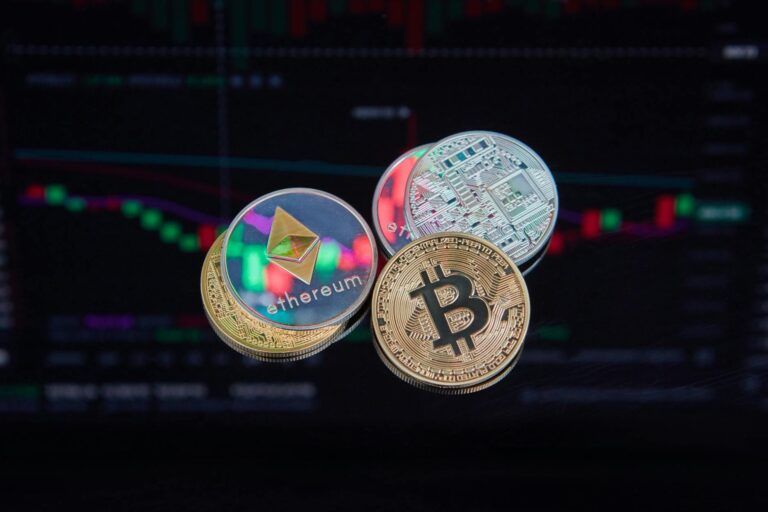
In economics, “fungibility” refers to a good or asset’s ability to be interchanged with other individual goods or assets of the same type. For example, a crisp $10 bill is fungible. If you trade your $10 bill for my $10 bill, neither of us loses value; they are identical in function and worth. The same applies to cryptocurrencies like Bitcoin (BTC) or Ethereum (ETH). One Bitcoin equals one Bitcoin.
Non-fungible items, on the other hand, are entirely unique. A one-of-a-kind trading card, a piece of original artwork, or a specific plot of land are non-fungible. They cannot be swapped on a one-to-one basis because they all possess distinct characteristics and varying values.
An NFT is a digital certificate of authenticity and ownership for a unique digital (or sometimes physical) asset, recorded permanently on a blockchain. This prevents digital files from being endlessly copied without a traceable, verifiable original owner.
Defining the Term: The NFT Marketplace Meaning
So, what exactly is the nft marketplace meaning in the context of the broader Web3 ecosystem?
An NFT marketplace is a dedicated digital storefront and auction house operating on a blockchain network. It acts as the bridge between creators (who mint the NFTs) and buyers or collectors. Because NFTs are cryptographic tokens, you cannot buy them on traditional e-commerce sites like Amazon, nor can you easily trade them on standard cryptocurrency exchanges like Coinbase (though some exchanges have begun integrating marketplace features).
When someone asks for the nft marketplace meaning, they are essentially asking for the definition of the Web3 retail infrastructure. These marketplaces provide the graphical user interface (GUI) that allows non-technical users to interact with complex blockchain smart contracts. Instead of writing code to transfer ownership of a digital asset, you simply click a “Buy Now” button.
The Underlying Technology: How Do These Platforms Work?
To truly appreciate these platforms, it helps to look under the hood. Traditional marketplaces rely on central servers and company-owned databases. NFT marketplaces operate very differently, relying on decentralized technology.
1. Smart Contracts
At the core of every transaction on an NFT platform is a smart contract. A smart contract is a self-executing computer program living on the blockchain. It contains the terms of the agreement between the buyer and seller. When a buyer pays the required amount of cryptocurrency, the smart contract automatically transfers the NFT to the buyer’s wallet and the funds to the seller’s wallet. There is no middleman holding the funds in escrow; the code handles it trustlessly.
2. Blockchain Integration
Marketplaces must integrate with specific blockchains. Initially, Ethereum was the only major player, utilizing its ERC-721 and ERC-1155 token standards for NFTs. Today, marketplaces often integrate with multiple blockchains, including Solana, Polygon, Arbitrum, and Tezos, to offer users lower transaction fees and faster processing times.
3. Decentralized Storage (IPFS)
A common misconception is that the actual digital artwork (the JPEG, MP3, or MP4 file) is stored on the blockchain. In reality, storing large files on a blockchain is prohibitively expensive. Instead, the NFT on the blockchain contains a link to the artwork. Marketplaces utilize decentralized storage solutions like the InterPlanetary File System (IPFS) to ensure the image file cannot be altered or deleted by a central authority.
4. Crypto Wallets
You cannot create an account on an NFT marketplace using an email and password in the traditional sense. Instead, your identity and bank account are rolled into one tool: a crypto wallet (like MetaMask or Phantom). You “log in” by connecting your wallet to the site.
Broad vs. Specialized: Types of NFT Marketplaces
Just as traditional retail has big-box department stores and boutique specialty shops, the Web3 space has different categories of marketplaces.
| Marketplace Type | Description | Best For | Examples |
|---|---|---|---|
| Universal Marketplaces | Hosts a wide variety of NFTs, including art, domain names, virtual worlds, and collectibles. | Beginners, general collectors, and users looking for variety. | OpenSea, Rarible |
| Curated/Art Marketplaces | Focuses strictly on high-quality, 1-of-1 digital art. Creators must apply and be accepted. | Serious art collectors and professional digital artists. | SuperRare, Foundation |
| Gaming Marketplaces | Integrated into specific Play-to-Earn (P2E) games for trading in-game assets. | Gamers looking to buy skins, weapons, or virtual land. | Axie Marketplace, Decentraland |
| Music/Video Platforms | Dedicated to audiovisual content, allowing musicians to sell directly to fans. | Audiophiles, independent musicians, and videographers. | Sound.xyz, Royal |
Pros and Cons of Transacting on NFT Platforms
While the innovation behind these platforms is staggering, they are not without their flaws. It is important to weigh the benefits against the current limitations of the technology.
The Pros
- ✅ Global Reach: Marketplaces are boundaryless. An artist in Tokyo can instantly sell a piece to a collector in New York without dealing with international shipping, customs, or gallery middlemen.
- ✅ Automated Royalties: Perhaps the biggest innovation for creators. Smart contracts can be programmed to pay the original creator a percentage (e.g., 5% to 10%) every single time the NFT is resold on the secondary market.
- ✅ True Ownership: Because transactions are logged on the blockchain, proof of ownership is indisputable and transparent for anyone to verify.
- ✅ Liquidity: By acting as a central hub, marketplaces provide liquidity to digital assets that would otherwise be very difficult to sell peer-to-peer.
The Cons
- ❌ Volatility: The value of NFTs is highly speculative and subject to massive price swings based on market sentiment.
- ❌ Phishing and Scams: Because transactions are irreversible, scammers frequently target marketplace users with fake links designed to drain their crypto wallets.
- ❌ Technical Barriers: Setting up a wallet, acquiring cryptocurrency, and understanding gas fees can be incredibly daunting for the average internet user.
- ❌ Copyright Issues: Some malicious actors “mint” artwork they do not own, selling it on open marketplaces before the original artist can file a takedown notice.
An In-Depth Look at the Top NFT Marketplaces
Understanding the nft marketplace meaning is only half the battle; knowing which platforms are legitimate and reliable is equally important. Here is a breakdown of the industry’s leading platforms.
1. OpenSea
OpenSea is widely considered the pioneer of the NFT boom. Launched in 2017, it is the largest universal marketplace. It supports multiple blockchains (Ethereum, Polygon, Klaytn, Solana) and allows users to trade everything from Profile Picture (PFP) collections like the Bored Ape Yacht Club to domain names. Its user-friendly interface makes it the go-to starting point for beginners.
2. Blur
Blur emerged as a massive disruptor in late 2022 and 2023. Designed specifically for professional, high-volume NFT traders, Blur offers advanced analytics, sweeping tools (buying multiple NFTs at once), and incredibly fast execution speeds. By incentivizing users with token airdrops and charging zero marketplace fees, Blur rapidly captured a massive share of the trading volume from OpenSea.
3. Magic Eden
Initially launched as the premier marketplace for the Solana blockchain, Magic Eden quickly became famous for its low transaction fees and fast speeds. It has since evolved into a multi-chain platform, supporting Ethereum, Polygon, and notably, Bitcoin Ordinals (NFTs on the Bitcoin network). It is highly popular in the Web3 gaming community.
4. SuperRare
SuperRare positions itself as the digital equivalent of an upscale, high-end art gallery. Unlike OpenSea, where anyone can mint an NFT, SuperRare is heavily curated. Artists must be invited or approved to sell their 1-of-1 digital artworks here. As a result, the quality of art is generally higher, and the platform attracts serious art collectors willing to spend premium cryptocurrency.
| Platform | Primary Blockchain(s) | Marketplace Fee | Target Audience |
|---|---|---|---|
| OpenSea | Ethereum, Polygon, Solana | 2.5% | General Public / Beginners |
| Blur | Ethereum | 0% | Pro Traders / Whales |
| Magic Eden | Solana, Bitcoin, Ethereum | 2% | Gamers / Solana Users |
| SuperRare | Ethereum | 15% (Primary) / 3% (Buyer) | Fine Art Collectors |
Understanding the Costs: Gas Fees and Royalties
One of the most surprising aspects for newcomers to NFT marketplaces is the associated costs. When you buy an item on traditional e-commerce, you pay for the item and perhaps shipping. In Web3, the fee structure is different.
First, there are Gas Fees. These are not charged by the marketplace itself, but by the blockchain network (like Ethereum). Whenever you execute a transaction—whether it’s buying, selling, or transferring an NFT—you require computing power from the network’s validators. Gas fees compensate these validators. During times of high network congestion, gas fees on Ethereum can spike drastically, sometimes costing more than the NFT itself! This is why many platforms are integrating Layer-2 blockchains like Polygon, which offer gas fees of just a few cents.
Second, there are Platform Fees. This is the cut the marketplace takes to keep the lights on, typically ranging from 0% to 2.5% of the total sale price.
Finally, there are Creator Royalties. Set by the original creator of the NFT, this is a percentage (usually 5-10%) deducted from secondary sales and sent back to the creator’s wallet. Recently, royalties have become a hot-button issue, with some platforms making them optional to attract traders who want to maximize their profits.
Step-by-Step Guide to Buying and Selling
Now that you grasp the concepts, how do you actually participate? Here is a high-level overview of interacting with an NFT marketplace.
Step 1: Set Up a Crypto Wallet
Your journey begins with a non-custodial wallet. MetaMask is the most popular browser extension for Ethereum-based NFTs, while Phantom is the go-to for Solana. Download the extension, create your wallet, and crucially, write down your 12-word seed phrase on a physical piece of paper. Never share this phrase with anyone.
Step 2: Fund Your Wallet
You cannot buy an NFT with fiat currency (USD, EUR) on most platforms. You must purchase cryptocurrency through an exchange like Coinbase or Binance and transfer it to your new web wallet. Make sure you buy the correct currency for the blockchain you intend to use (e.g., ETH for OpenSea Ethereum collections).
Step 3: Connect to the Marketplace
Navigate to your chosen platform. In the top right corner, you will usually see a “Connect Wallet” button. Click it, select your wallet provider, and sign the digital prompt that appears in your extension. You are now logged in.
Step 4: Browse, Bid, or Buy
Use the search bar and category filters to find digital assets. When you find one you like, you can either click “Buy Now” to pay the listing price immediately, or “Make Offer” to propose a lower price to the seller. Confirm the transaction in your wallet, pay the gas fee, and the NFT will be transferred to you.
🛒 Cryptocurrency Investing For Dummies book
View on Amazon →
As an Amazon Associate, we earn from qualifying purchases.
Security Best Practices: Guarding Your Digital Assets
The decentralized nature of blockchain means there is no customer support line to call if your assets are stolen. You are entirely responsible for your security.
One of the most dangerous threats in the NFT space is phishing. Scammers often set up fake marketplace websites with URLs that look nearly identical to the real ones (e.g., opensea-io.com instead of opensea.io). If you connect your wallet to a malicious site and approve a transaction, the smart contract can drain your wallet of all its NFTs and cryptocurrency.
To protect yourself, consider utilizing cold storage. While browser wallets (hot wallets) are convenient for daily trading, they are connected to the internet. Hardware wallets are physical USB-like devices that store your private keys completely offline, making it virtually impossible for hackers to steal your assets without physical access to the device.
🛒 Ledger Nano X crypto hardware wallet
View on Amazon →
As an Amazon Associate, we earn from qualifying purchases.
The Future of NFT Marketplaces
The hype cycle of 2021 was dominated by pixelated avatars and speculative flipping. However, the future of these platforms lies in utility.
Marketplaces are evolving beyond digital art. In the coming years, we can expect these platforms to facilitate the trading of tokenized real estate, where the deed to a house is an NFT. We will see them integrated seamlessly into the music industry, acting as ticketing platforms where concert tickets are NFTs that grant lifetime access to fan clubs. Furthermore, major traditional brands like Nike, Starbucks, and Reddit are already building their own isolated marketplaces to offer digital loyalty programs.
As the technology matures, the friction of using these platforms will decrease. We are already seeing the implementation of credit card checkouts and “social logins” via email, removing the need for everyday users to manage complex seed phrases.
Conclusion
The rise of digital assets has fundamentally changed how we view ownership on the internet. Grasping the true nft marketplace meaning is essential for anyone looking to participate in the next generation of the web.
These platforms serve as the vital infrastructure that democratizes digital commerce. They replace traditional corporate middlemen with transparent, decentralized smart contracts, allowing creators to monetize their work directly and collectors to truly own their digital assets. While the space is still young and carries inherent risks—from market volatility to phishing scams—the underlying technology offers profound possibilities.
By taking the time to understand how wallets connect, how gas fees work, and the differences between curated and universal platforms, you can safely navigate this exciting digital frontier. Whether you are hunting for a rare piece of digital fine art, trading gaming assets, or simply exploring the possibilities of Web3, understanding the marketplace ecosystem is your first step into the future of digital ownership.