Top Phone Charger Reviews: The Best Picks (2024)
Welcome to our definitive guide to powering up your devices. In a world where our smartphones act as our cameras, wallets, navigators, and primary communication tools, running out of battery is no longer just an inconvenience—it can disrupt your entire day. With thousands of aftermarket power bricks flooding online marketplaces, finding a safe, efficient, and rapid charging solution can feel overwhelming. That is precisely why reading reliable phone charger reviews can save you from purchasing a dud—or worse, a device that damages your expensive smartphone.
In this comprehensive guide, we will break down everything you need to know about smartphone charging. From the science behind safe power delivery to in-depth product comparisons, we will cover wall adapters, wireless charging pads, and portable power banks. Whether you are an iPhone loyalist utilizing MagSafe or an Android power user relying on PPS technology, this post will help you find the perfect charger for your digital lifestyle.

Why Quality Matters: The Science of Charging
Before we dive into our specific product recommendations, it is crucial to understand why all chargers are not created equal. A charger is not simply a “dumb” pipe pushing electricity into your phone. Modern chargers are sophisticated pieces of technology equipped with microprocessors that negotiate power delivery with your device.
When you plug your phone into a high-quality charger, a “handshake” occurs. The phone communicates its current battery level, temperature, and maximum supported wattage. The charger then adjusts its output to match the phone’s needs, starting with a massive influx of power (the constant current phase) and slowly tapering off as the battery approaches 100% (the constant voltage phase). This smart negotiation is what allows modern phones to charge from 0% to 50% in just 30 minutes without overheating or causing battery degradation.
When assessing products for our reviews, safety is always our first metric. We look for certifications such as UL (Underwriters Laboratories), CE, and FCC, ensuring the device has undergone rigorous electrical safety testing.
Understanding Fast Charging Protocols
If you’ve spent any time looking at chargers, you have likely encountered a confusing alphabet soup of acronyms: PD, PPS, QC, and more. Understanding these protocols is essential to matching the right charger with your specific smartphone.
- USB Power Delivery (USB-PD): The universal standard for fast charging over USB-C. Apple, Google, and Samsung all rely on USB-PD. It supports up to 240W of power, though most phones max out between 20W and 45W.
- Programmable Power Supply (PPS): An advanced subset of USB-PD used heavily by Samsung for its “Super Fast Charging.” PPS allows the charger to make micro-adjustments to voltage and current in real-time, reducing heat generation.
- Qualcomm Quick Charge (QC): Historically popular on Android devices, Quick Charge is now largely being superseded by USB-PD, though many chargers still support QC 3.0 or 4.0 for backward compatibility.
- Proprietary Protocols: Brands like OnePlus (Warp Charge) and Xiaomi use proprietary technology to achieve incredibly fast charging speeds (sometimes 100W+). These usually require both the brand’s specific charger and specific cable.
When selecting a charger, matching the protocol is just as important as matching the wattage. A 100W laptop charger that lacks PPS support might only charge a Samsung Galaxy S24 Ultra at standard speeds, despite having more than enough raw power.
Wall Adapter Phone Charger Reviews
The standard wall adapter remains the most efficient and reliable way to power your device. In this section of our phone charger reviews, we evaluate the best multi-port and single-port wall bricks on the market today.
| Model | Max Wattage | Ports | Pros & Cons | Best For |
|---|---|---|---|---|
| Anker 735 Nano II | 65W | 2 USB-C, 1 USB-A | ✅ Ultra-compact ✅ PPS Support ❌ Port power splitting can be confusing |
Travelers & Multi-device users |
| Apple 20W USB-C | 20W | 1 USB-C | ✅ Highly reliable ✅ Optimized for iPhone ❌ Only one port ❌ Bulky for its wattage |
iPhone purists |
| Ugreen Nexode 100W | 100W | 3 USB-C, 1 USB-A | ✅ Massive power output ✅ Charges laptops & phones ❌ Heavy ❌ Premium price |
Power users & desk setups |
Anker 735 Nano II (65W)
Anker has long been a titan in the charging industry, and the 735 Nano II showcases exactly why. Utilizing GaN (Gallium Nitride) technology, Anker managed to pack 65 watts of power into a brick that is roughly the size of a standard AirPods Pro case. It features two USB-C ports and one traditional USB-A port. If you plug in a single device, you get the full 65W—enough to fast-charge a MacBook Pro or top off an iPhone 15 at maximum speed. When multiple devices are connected, the charger intelligently distributes the power to ensure everything charges efficiently.
Ugreen Nexode 100W
For those who want to eliminate all other chargers on their desk, the Ugreen Nexode 100W is an absolute powerhouse. It supports an array of protocols including PD 3.0, QC 4+, and PPS. In our testing, we successfully fast-charged a Samsung Galaxy S23 Ultra, an iPad Pro, and a set of wireless earbuds simultaneously without the brick getting dangerously hot. While it is heavier than the Anker option, its build quality is phenomenal, featuring a sleek matte finish that resists fingerprints.

Top Wireless Phone Charger Reviews
Wireless charging has matured significantly over the past five years. Gone are the days of waking up to a dead phone because you bumped the nightstand and misaligned your device. With the introduction of Apple’s MagSafe and the new Qi2 standard (which brings magnetic alignment to Android devices), wireless charging is faster and more reliable than ever. Below are the standouts from our wireless phone charger reviews.
- Belkin BoostCharge Pro 3-in-1: This is arguably the best nightstand charger available for Apple users. It offers 15W MagSafe charging for your iPhone, magnetic fast charging for the Apple Watch, and a spot for your AirPods. The architectural design looks beautiful on a desk, though the premium price tag may deter budget-conscious buyers.
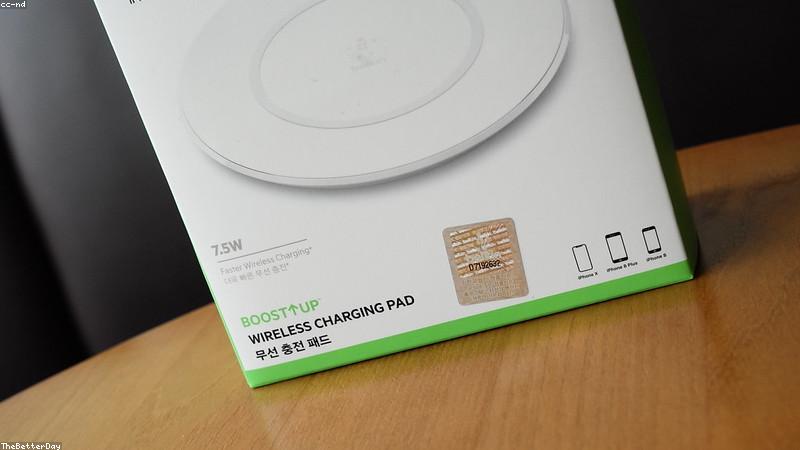
- Anker PowerWave Pad: A simple, effective, and budget-friendly Qi charging pad. It won’t charge your phone as fast as MagSafe (capping out at 10W for Samsung and 7.5W for iPhones), but for a desk charger where your phone sits for hours at a time, it is incredibly reliable and cost-effective.
- Nomad Base One Max: If aesthetics and premium materials are your top priority, Nomad delivers. Crafted from solid metal and glass, this heavy-duty charger stays perfectly in place when you pick up your phone. It requires a 30W wall adapter (sold separately) to function, but it offers a genuinely luxurious charging experience.
Portable Power Banks: Power on the Go
A high-quality wall adapter is useless when you are hiking a trail or navigating a new city on foot. Portable power banks are essential tech accessories. Modern power banks have evolved to feature massive capacities, rapid recharge rates, and airline-safe designs.
| Model | Capacity | Output | Pros & Cons |
|---|---|---|---|
| Nitecore NB10000 | 10,000 mAh | 20W PD | ✅ Extremely lightweight (carbon fiber) ✅ Durable ❌ Limited port selection |
| Anker 737 PowerCore 24K | 24,000 mAh | 140W | ✅ Digital display screen ✅ Laptop-level output ❌ Very bulky/heavy |
| Apple MagSafe Battery Pack | ~1,460 mAh | 7.5W (wireless) | ✅ Seamless iOS integration ✅ Cable-free ❌ Very low capacity ❌ Slow charging speeds |
When choosing a power bank, consider the “mAh” (milliampere-hour) rating. An average modern smartphone has a battery size of around 3,500 to 5,000 mAh. Therefore, a 10,000 mAh power bank should reliably charge your phone from dead to full about two times (accounting for efficiency losses). For weekend camping trips, a 20,000+ mAh bank is ideal, though be aware that the TSA limits power banks on flights to 100 watt-hours (roughly 27,000 mAh) without prior airline approval.
GaN Technology vs. Standard Chargers
Throughout this article, you have seen the term “GaN” mentioned repeatedly. But what exactly is it, and why has it revolutionized the charger industry?
- What is GaN? GaN stands for Gallium Nitride. It is a semiconductor material that has begun to replace the silicon historically used in power electronics.
- Better Efficiency: Gallium Nitride is capable of conducting electrons far more efficiently than silicon. This means less energy is lost to heat during the electrical conversion process.
- Smaller Form Factors: Because GaN components generate less heat, manufacturers can pack the internal components much closer together without creating a fire hazard. This is why a modern 65W GaN charger is half the size of an older 60W silicon laptop brick.
- Higher Frequency: GaN chargers can switch frequencies faster, allowing the use of smaller transformers and capacitors, further reducing the overall weight and footprint of the charger.
How to Extend Your Smartphone Battery Life
Even the best chargers in the world cannot stop the inevitable chemical aging of lithium-ion batteries, but good charging habits can significantly slow down the process. Throughout our comprehensive phone charger reviews and testing, we have compiled the best practices for maintaining your phone’s battery health.
- Avoid Extreme Temperatures: Heat is the number one enemy of lithium-ion batteries. Avoid leaving your phone charging in direct sunlight, under a pillow, or in a hot car. If your phone feels hot to the touch while charging, take off the case to help dissipate heat.
- The 20-80 Rule: Batteries experience the most “stress” when they are completely drained to 0% or completely filled to 100%. Keeping your battery charge between 20% and 80% can significantly prolong its lifespan. Both iOS and Android now offer built-in features to halt charging at 80% to assist with this.
- Don’t Be Afraid of Overnight Charging: Modern smartphones are smart enough to stop drawing current once they reach 100%. Using “Optimized Battery Charging” features, your phone will hold the charge at 80% overnight and top off the final 20% just before you wake up, reducing wear.
- Use Good Cables: A high-quality charger is bottlenecked by a poor-quality cable. Frayed or cheap cables can create electrical resistance, generating heat and potentially shorting out. Look for braided nylon cables with reinforced stress relief at the connectors.
Conclusion
Navigating the sea of charging accessories can be daunting, but investing a little time into understanding your device’s needs pays off immensely. Whether you prioritize the blazing-fast speeds of the Ugreen Nexode, the portability of the Anker Nano series, or the aesthetic convenience of a Belkin MagSafe stand, choosing a reputable brand is the most critical step.
Ultimately, the goal of these phone charger reviews is to help you cut through the marketing noise. Look for GaN technology, verify the charging protocols (like PD or PPS) match your specific smartphone, and never cheap out on no-name gas station power bricks. By selecting a high-quality charger, you ensure your devices stay powered up safely, efficiently, and ready for whatever the day throws at you.
🛒 Related Products
phone charger reviews on Amazon
Amazon.com
As an Amazon Associate, we earn from qualifying purchases.