Best Wireless Earbuds for Running: 2024 Guide
Table of Contents
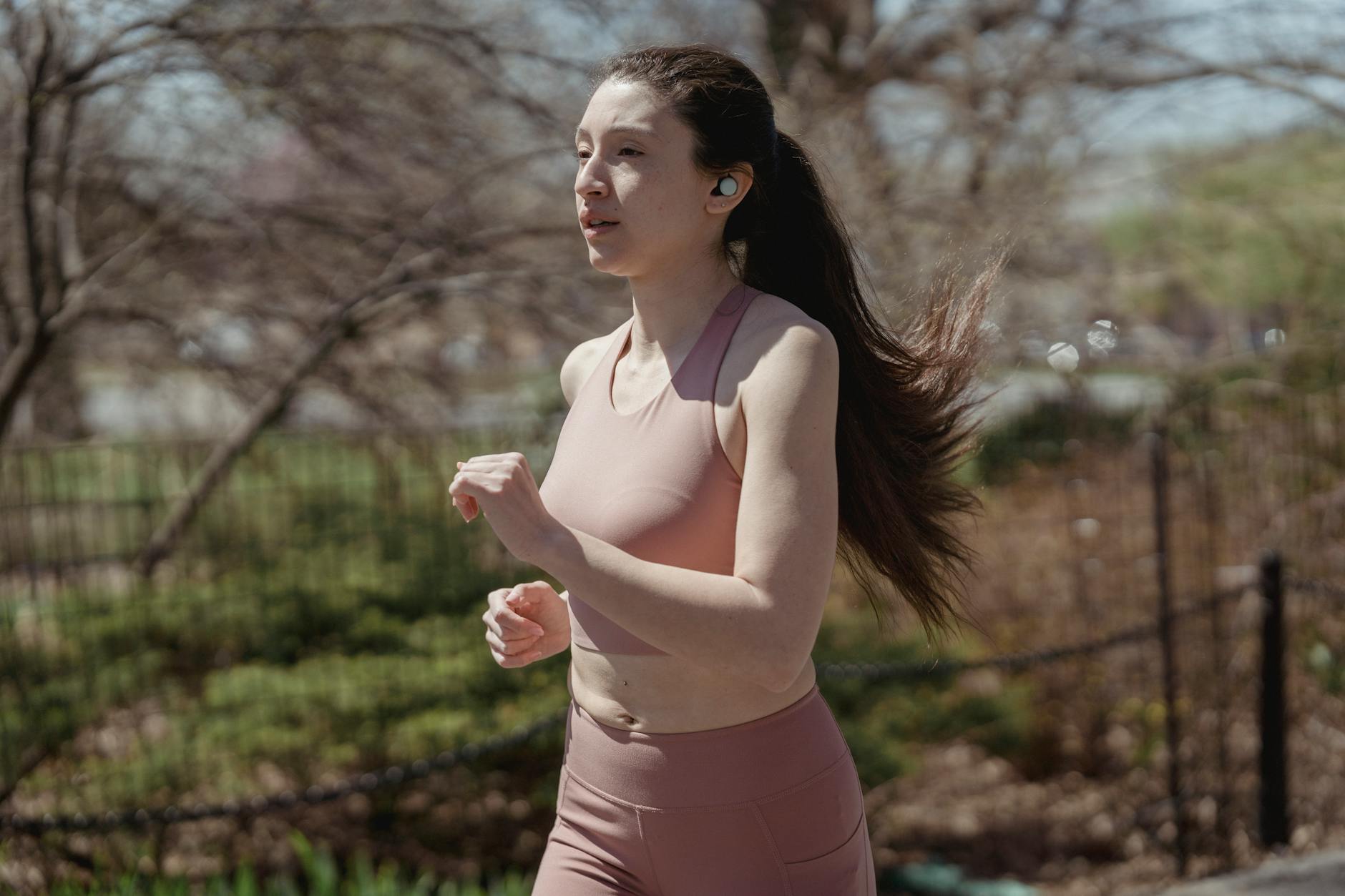
Whether you are training for your first 5K or gearing up for a grueling ultramarathon, the right playlist or podcast can be the ultimate performance enhancer. However, nothing shatters a runner’s flow state quite like an earbud violently popping out and bouncing onto the pavement. Standard everyday headphones simply are not built to withstand the repetitive impact of pounding feet, the torrential downpour of sweat, or the unpredictable elements of outdoor environments. If you are searching for the best wireless earbuds for running, you have come to the right place. In this comprehensive guide, we will break down the top models on the market, analyze the crucial features you need, and help you find the perfect audio companion for your miles.
Why You Need Specific Earbuds for Running

It is tempting to grab the same pair of earbuds you use for Zoom calls and head out the door. However, running introduces a unique set of physical challenges that standard consumer electronics are not designed to handle. Understanding the biomechanics and environmental factors of running highlights exactly why specialized audio gear is a necessity, not just a luxury.
First and foremost is the issue of retention and fit. Running creates a continuous, rhythmic shockwave that travels up your legs, through your spine, and into your skull. This repetitive G-force actively works to dislodge anything sitting in your ear canal. Specialized running earbuds combat this through ergonomic engineering—utilizing ear hooks, silicone wingtips, or bone-conduction technology that bypasses the ear canal altogether. A secure fit means you can focus entirely on your pacing and form, rather than nervously adjusting your ears every quarter mile.
Secondly, sweat is highly corrosive. Human sweat is not just water; it is a mixture of water, salt, potassium, urea, and lactate. When salt crystalizes inside the delicate micro-circuitry of a standard earbud, it can cause short circuits, degraded audio quality, and battery failure. Running earbuds are built with specialized hydrophobic nano-coatings and tight acoustic meshes that repel liquid, ensuring longevity even through your sweatiest summer threshold sessions.
Finally, there is the matter of situational awareness. When commuting on a train, active noise cancellation (ANC) is a blessing. When running alongside a busy highway or navigating shared multi-use paths, total acoustic isolation can be incredibly dangerous. Running-specific earbuds often feature advanced transparency modes or open-ear designs, allowing you to hear approaching vehicles, cyclists, and warning sirens while still enjoying high-fidelity audio.
Top 5 Best Wireless Earbuds for Running in 2024

After rigorous testing across hundreds of miles, track intervals, and sweaty treadmill sessions, we have narrowed down the market to the five absolute best models. We evaluated these based on fit security, audio fidelity, battery life, durability, and overall value.
1. Beats Powerbeats Pro (The Ultimate Secure Fit)
For runners who absolutely refuse to compromise on a secure fit, the Beats Powerbeats Pro remains the gold standard. Featuring fully adjustable, secure-fit ear hooks, these earbuds wrap comfortably around the outer ear, ensuring they stay anchored in place regardless of your speed, sweat level, or terrain. They are powered by the Apple H1 headphone chip, which guarantees seamless pairing with iOS devices while remaining fully compatible with Android via Bluetooth.
The audio profile is classic Beats: punchy, energetic bass that provides an incredible tempo boost during hard efforts, balanced with crisp highs that prevent the music from sounding muddy. Battery life is stellar, offering up to 9 hours of continuous listening time on a single charge—more than enough for most marathon runners. The physical buttons on both earbuds are a massive advantage over touch controls, allowing you to adjust volume or skip tracks with sweaty fingers or while wearing running gloves.
🛒 Beats Powerbeats Pro Wireless Earbuds
View on Amazon →
As an Amazon Associate, we earn from qualifying purchases.
Pros:
- ✅ Unshakable over-ear hook design
- ✅ Tactile physical buttons for easy control
- ✅ Massive 9-hour continuous battery life
- ✅ Excellent, motivating bass response
Cons:
- ❌ The charging case is unusually large and bulky
- ❌ Lacks Active Noise Cancellation (ANC) for gym environments
2. Jabra Elite 8 Active (The Most Durable)
Jabra has long been a favorite in the fitness community, and the Elite 8 Active takes durability to an entirely new level. These earbuds are tested to military standards (MIL-STD-810h), making them completely dustproof, waterproof, and sweatproof (IP68 rating). You could drop these in a puddle, step on them, rinse them in the sink, and they would still deliver pristine audio.
What sets the Elite 8 Active apart is Jabra’s proprietary ShakeGrip technology. Instead of relying on bulky hooks or wings, the entire exterior of the earbud is coated in a specialized liquid silicone rubber compound. This material subtly adheres to the skin of your inner ear, providing a phenomenally secure fit that feels virtually weightless. They also feature adaptive Hybrid Active Noise Cancellation for indoor workouts, and a highly effective HearThrough transparency mode for outdoor safety.
🛒 Jabra Elite 8 Active True Wireless Bluetooth Earbuds
View on Amazon →
As an Amazon Associate, we earn from qualifying purchases.
Pros:
- ✅ Industry-leading IP68 durability (practically indestructible)
- ✅ ShakeGrip coating provides a secure, wing-free fit
- ✅ Excellent customizable EQ via the Jabra Sound+ app
- ✅ Spatial audio powered by Dolby
Cons:
- ❌ HearThrough mode can sometimes amplify wind noise on breezy days
- ❌ Earbud shape may not fit exceptionally small ears
3. Shokz OpenRun Pro (Best Bone Conduction)
If situational awareness is your top priority, traditional in-ear monitors will always be a compromise. Enter bone-conduction technology. The Shokz OpenRun Pro sits completely outside the ear, resting on your cheekbones. They transmit audio via micro-vibrations directly through your bones to your inner ear, leaving your ear canal completely unobstructed. This means you hear ambient traffic, nature, and fellow runners exactly as you would without headphones.
The OpenRun Pro represents the pinnacle of this technology, adding two bass enhancers to solve the traditional weakness of bone conduction: lack of low-end depth. The wraparound titanium frame is incredibly lightweight (29 grams) and flexes to fit securely against the back of the head. For road runners, trail runners, and cyclists, the safety benefits of this design cannot be overstated.
🛒 Shokz OpenRun Pro Bone Conduction Sport Headphones
View on Amazon →
As an Amazon Associate, we earn from qualifying purchases.
Pros:
- ✅ Unmatched situational awareness for outdoor safety
- ✅ Extremely comfortable for those who dislike objects in their ears
- ✅ Quick-charge feature (5 minutes yields 1.5 hours of playback)
- ✅ Secure titanium wraparound band
Cons:
- ❌ Audio fidelity and bass cannot compete with traditional sealed earbuds
- ❌ Proprietary magnetic charging cable (if you lose it, you can’t use USB-C)
4. Apple AirPods Pro 2 (Best for Apple Users)
While not strictly marketed as a “sports” headphone, the Apple AirPods Pro 2 have become ubiquitous at starting lines worldwide for good reason. They offer an IP54 rating, meaning they are adequately sweat and water-resistant for most daily runs. The silicon tips provide a snug fit, and the stem-based squeeze controls work reliably even when your hands are damp.
The true magic of the AirPods Pro 2 lies in the H2 chip. The Adaptive Transparency mode is arguably the best in the industry; it seamlessly blends your music with the outside world in real-time, instantly dampening harsh, sudden noises (like a passing siren or construction drill) while letting standard traffic sounds through clearly. If you are already entrenched in the Apple ecosystem, the seamless switching between your iPhone, Apple Watch, and Mac makes these an incredibly versatile choice for both the track and the office.
Pros:
- ✅ Industry-best Adaptive Transparency mode
- ✅ Flawless integration with the Apple ecosystem and Apple Watch
- ✅ Superb, balanced sound quality
- ✅ Compact, pocketable charging case with Find My tracking
Cons:
- ❌ Fit is not as locked-in as dedicated sport models with hooks
- ❌ Premium price tag
5. JLab Epic Air Sport ANC (Best Budget Option)
You do not need to spend over $200 to get a high-quality running audio experience. The JLab Epic Air Sport ANC delivers premium features at a fraction of the cost. These feature a flexible over-ear hook design similar to the Powerbeats Pro, ensuring they stay firmly in place during aggressive sprints or trail runs. They also boast an impressive IP66 sweat resistance rating.
Astonishingly for the price, JLab includes Active Noise Cancellation, a “Be Aware” audio pass-through mode, and a massive 15 hours of Bluetooth playtime per earbud (with over 50 additional hours in the charging case). The case itself features an integrated USB charging cable, meaning you never have to worry about forgetting your wire when packing your gym bag. While the sound stage isn’t quite as refined as the premium models, the massive feature set makes these an unbeatable value.
Pros:
- ✅ Incredible battery life (15+ hours continuous)
- ✅ Outstanding value for money with ANC included
- ✅ Built-in charging cable on the case
- ✅ Secure over-ear hook design
Cons:
- ❌ Touch controls can be overly sensitive when adjusting the fit
- ❌ ANC is noticeably weaker than premium competitors
Summary Comparison
| Model | Fit Style | IP Rating | Battery (Buds/Total) | Best For |
|---|---|---|---|---|
| Beats Powerbeats Pro | Ear Hook | IPX4 | 9h / 24h | Maximum Security |
| Jabra Elite 8 Active | In-Ear (ShakeGrip) | IP68 | 8h / 32h | Extreme Durability |
| Shokz OpenRun Pro | Bone Conduction | IP55 | 10h / 10h | Outdoor Safety |
| Apple AirPods Pro 2 | In-Ear (Stem) | IP54 | 6h / 30h | Apple Ecosystem |
| JLab Epic Air Sport ANC | Ear Hook | IP66 | 15h / 70h | Budget Conscious |
Key Features to Look For When Buying
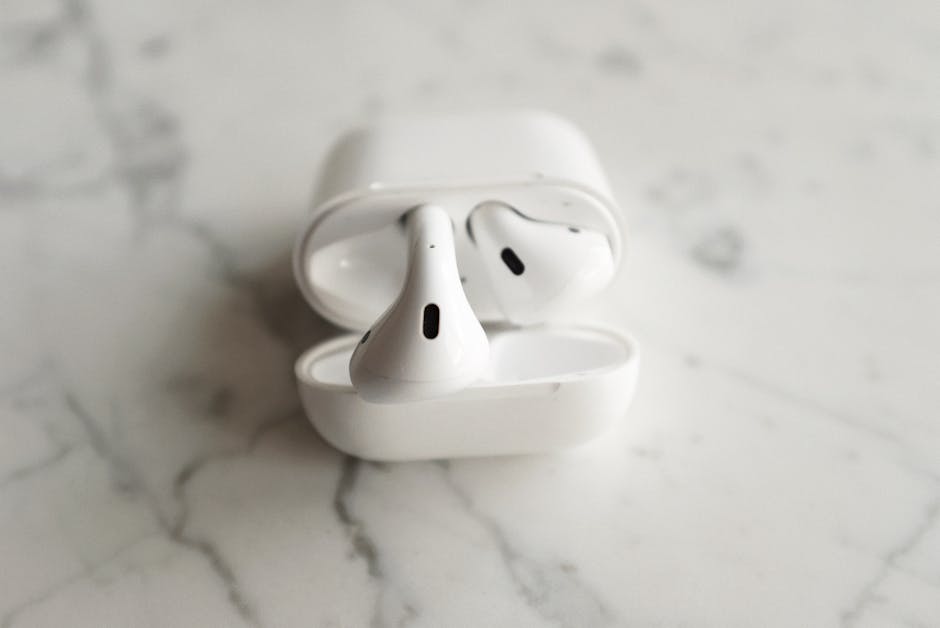
Finding the perfect pair is not a one-size-fits-all endeavor. Different runners have different anatomies, running environments, and audio preferences. When you are shopping, pay close attention to the following technical specifications to ensure you are getting exactly what you need.
Fit and Comfort Mechanisms
Fit is subjective, but retention mechanisms are objective. There are three primary styles of running earbuds:
- In-Ear with Wings/Fins: These utilize a small silicone wing that tucks into the concha (the bowl-shaped part of the outer ear) to provide resistance against falling out. They are low-profile and typically comfortable with sunglasses.
- Over-Ear Hooks: These loop entirely over the top of the ear cartilage. They offer the absolute highest level of security but can occasionally conflict with thicker sunglasses arms or running hats.
- Open-Ear / Bone Conduction: These rest outside the ear canal entirely. They are excellent for runners prone to ear canal fatigue or infections but sacrifice deep bass response.
IP Rating (Sweat & Water Resistance)
The IP (Ingress Protection) rating is a two-digit number that tells you exactly how much dust and water your electronics can withstand. The first number refers to solid particles (dust), and the second refers to liquids (water/sweat). An “X” means it hasn’t been officially tested for that category.
| IP Rating | What it Means for Runners |
|---|---|
| IPX4 | Splash resistant. Good for light sweat and drizzles, but avoid heavy downpours. |
| IPX5/IP55 | Water jet resistant. Safe for heavy sweaters and running in steady rain. |
| IPX7/IP67 | Fully submersible up to 1 meter for 30 minutes. You can wash these in the sink safely. |
| IPX8/IP68 | Maximum waterproof rating. Practically indestructible under normal liquid conditions. |
Battery Life and Charging Options
When assessing battery life, manufacturers often highlight the total battery life including the charging case. However, for runners, the continuous playback time is the most critical metric. If you are running a marathon, which can take anywhere from 3 to 6 hours, earbuds with only a 4-hour continuous battery life will die before you cross the finish line, regardless of how much power is in the case back at your car. Look for a minimum of 6 hours of continuous playback. Quick-charge functionality (e.g., getting 1 hour of playback from a 5-minute charge) is also a lifesaver for early morning runs when you realize you forgot to plug them in.
Controls: Physical vs. Touch
While capacitive touch controls feel premium in a showroom, they can be infuriating on a run. Sweat acts as a conductor, meaning a bead of sweat running down your ear can sometimes accidentally pause your music. Furthermore, trying to double-tap a tiny touch sensor precisely while sprinting or wearing winter gloves is difficult. Dedicated runners generally prefer physical, tactile buttons that offer a reassuring “click” when pressed.
How to Care for Your Running Earbuds

Even the most rugged, high-end earbuds require routine maintenance to ensure a long lifespan. The combination of salt, skin oils, and outdoor grime can rapidly degrade both the audio quality and the battery connections if left unchecked. Implementing a simple post-run cleaning routine will save you from premature hardware failure.
1. The Post-Run Wipe Down: Immediately after a sweaty run, do not throw your damp earbuds directly back into their charging case. The charging case is a dark, enclosed environment—putting wet electronics inside is a recipe for corrosion on the delicate metal charging contact pins. Take a dry microfiber cloth or a tissue and wipe down the exterior of the earbuds.
2. Deep Cleaning the Acoustic Mesh: Over weeks of use, earwax and sweat can dry and accumulate on the tiny speaker grills, significantly muffling the sound volume and dulling the bass. Every few weeks, remove the silicone tips (which can be washed in warm, soapy water) and gently brush the acoustic mesh with a dry, clean toothbrush. Never use sharp objects like needles, as you can easily puncture the delicate water-resistant membrane underneath.
3. Caring for the Charging Contacts: If your earbuds suddenly stop charging or fail to disconnect from your phone when placed in the case, dirty charging contacts are usually the culprit. Dip a cotton swab in a small amount of isopropyl alcohol (70% or higher) and gently scrub the copper/gold pins on both the earbuds and the inside of the case. The alcohol dissolves the hardened skin oils and evaporates quickly without causing liquid damage.
4. Temperature Management: Lithium-ion batteries degrade rapidly when exposed to extreme temperatures. Avoid leaving your earbuds in a freezing car during winter or baking in direct sunlight on your car’s dashboard during summer. Extreme heat can also warp the plastic housing and degrade the internal glue holding the water-resistant seals together.
Safety Tips for Running with Audio
Listening to music while running releases dopamine, lowers perceived exertion, and can genuinely make you faster. However, it also significantly reduces your connection to your immediate surroundings. When sharing the road with multi-ton vehicles, safety must come first.
If your route involves road crossings, busy urban sidewalks, or trails shared with aggressive mountain bikers, always utilize your earbuds’ transparency or ambient sound mode. If your earbuds lack this feature, adopt the “one-earbud rule”—leave the earbud closest to the traffic out of your ear entirely. Furthermore, keep the volume at a level where you can still clearly hear your own footsteps. If you cannot hear your shoes hitting the pavement, the volume is too loud and you are risking both your situational awareness and your long-term hearing health.
Frequently Asked Questions
Can I use noise-canceling earbuds for running?
Yes, but it is highly recommended to only use Active Noise Cancellation (ANC) when running in safe, enclosed environments like an indoor track or a treadmill. For outdoor running, ANC is dangerous as it blocks the sound of approaching cars, cyclists, and warning shouts. Always switch to transparency mode outdoors.
Why do my earbuds keep falling out when I sweat?
Moisture acts as a lubricant, reducing the friction between the silicone tip of the earbud and your skin. If you are a heavy sweater, standard silicone tips will slide out. Upgrading to aftermarket memory foam tips (which expand to grip the ear canal) or switching to earbuds with physical over-ear hooks will solve this issue.
Is Bluetooth harmful during long runs?
No. Bluetooth technology emits non-ionizing radiation at levels thousands of times lower than what is emitted by standard cell phones. There is no current scientific evidence suggesting that wearing Bluetooth earbuds for prolonged periods, even during ultramarathons, poses any health risk.
Conclusion
Finding the perfect audio companion for your workouts can transform a grueling slog into an energetic, rhythmic experience. Standard headphones simply cannot stand up to the rigorous demands of athletic movement, making it crucial to choose gear designed specifically for the task. Whether you prioritize the unshakable lock of the Beats Powerbeats Pro, the unparalleled situational awareness of the Shokz OpenRun Pro, or the bomb-proof durability of the Jabra Elite 8 Active, investing in the best wireless earbuds for running is an investment in your training consistency and enjoyment.
Remember to consider your personal anatomy, typical running environment, and budget when making your choice. Prioritize a secure fit, adequate battery life for your longest runs, and an IP rating that can handle your sweat levels. By selecting the right pair and properly maintaining them, you will ensure that your favorite playlists continue to power your miles for years to come. Lace up your shoes, queue up your best running mix, and hit the road with confidence.