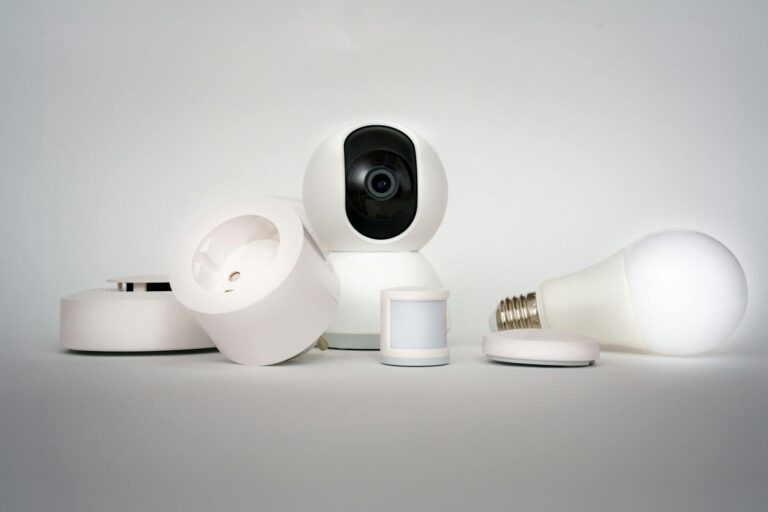
Best Smart Home Devices 2025: Ultimate Guide
- The Evolution of Smart Home Technology in 2025
- Top Categories of Smart Home Devices 2025
- Best AI Smart Hubs and Voice Assistants
- Advanced Home Security: Keeping Your Sanctuary Safe
- Energy Efficiency and Sustainable Smart Tech
- The Kitchen of the Future: Smart Appliances
- Health and Wellness Integration
- How to Choose the Right Devices for Your Home
- Conclusion: The Future is Now
Welcome to the era where your house doesn’t just respond to your commands—it anticipates your needs. The smart home industry has matured dramatically over the last few years, moving away from fragmented, frustrating gadgets into a cohesive, intelligent ecosystem. If you want to future-proof your living space, knowing which smart home devices 2025 brings to the market is absolutely essential.
Gone are the days of having to open five different apps just to turn off your lights, lock your doors, and set your alarm. Today’s technology is driven by ambient computing, generative AI, and seamless interoperability. In this comprehensive guide, we will explore the cutting-edge technology defining modern residences, the best upgrades available this year, and how you can transform your house into a truly intelligent sanctuary.
The Evolution of Smart Home Technology in 2025
To truly appreciate the gadgets on the market today, we have to look at how the underlying technology has evolved. The narrative of 2025 is no longer just about connecting devices to the internet; it is about giving those devices a brain. We have transitioned from reactive smart homes—where a human presses a button and a machine responds—to cognitive smart homes that learn from your daily routines.
From Convenience to Cognitive Homes
In the early 2020s, smart homes were essentially sophisticated remote controls. You could dim the lights from your phone or ask a voice assistant to set a timer. Today, advanced machine learning algorithms process data locally on the devices themselves. Your house now knows that on Tuesdays, you wake up at 6:00 AM, prefer your coffee brewing at 6:15 AM, and like the bathroom floors warmed to precisely 72 degrees. It handles all of this without a single prompt.
Matter and Thread: The Connectivity Revolution
The single biggest hurdle in the smart home space used to be compatibility. You had to check if a device worked with Apple HomeKit, Google Assistant, or Amazon Alexa. Enter Matter, the universal smart home standard, and Thread, the low-power mesh networking technology. By 2025, these protocols have reached their 2.0 iterations, meaning virtually every new device works flawlessly across all major ecosystems. They connect faster, stay online more reliably, and do not bog down your Wi-Fi bandwidth.
Top Categories of Smart Home Devices 2025
The marketplace is flooded with thousands of connected gadgets, but they generally fall into a few major pillars of home management. Understanding these categories helps you prioritize your upgrades based on what matters most to you—whether that is saving money on utilities, protecting your family, or just making daily chores a little bit easier.
AI-Powered Smart Hubs and Displays
The smart hub is the central nervous system of your home. The newest iterations feature brilliant edge-to-edge displays, spatial audio, and built-in Zigbee, Thread, and Matter routers. They serve as family command centers, video calling portals, and intuitive dashboards for your entire property.
Next-Gen Security Systems and Cameras
Security has moved beyond simple motion-triggered recording. The cameras of 2025 utilize sophisticated edge-AI to distinguish between a delivery driver dropping off a package, a stray dog on your lawn, or an unknown vehicle lingering in your driveway. They can even recognize familiar faces and announce who is at the door.
Automated Climate Control and Energy Management
With global energy costs fluctuating, smart climate control is no longer a luxury; it is a financial necessity. Smart thermostats now integrate directly with smart electrical panels and local weather stations to hyper-optimize your home’s heating and cooling, drawing power when grid rates are cheapest.
| Device Category | Primary Benefit | Key 2025 Innovation |
|---|---|---|
| AI Smart Hubs | Centralized Control | Generative AI voice interactions |
| Security Systems | Safety & Peace of Mind | Local AI facial recognition |
| Climate & Energy | Cost Savings | Predictive grid-rate optimization |
Best AI Smart Hubs and Voice Assistants
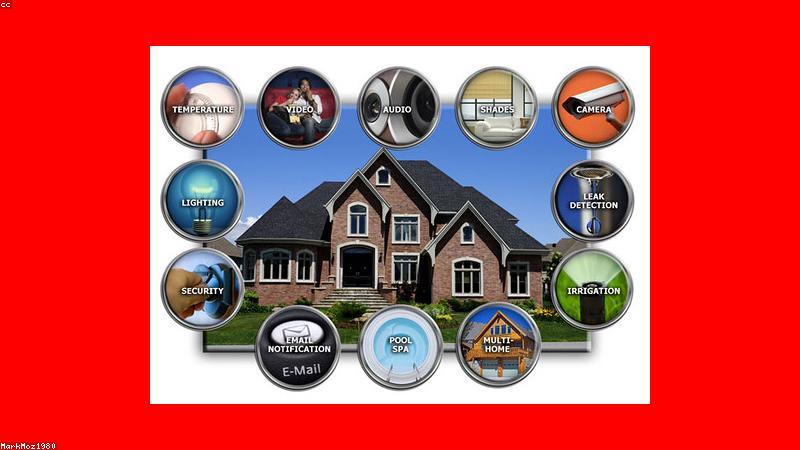
The era of yelling at a speaker three times just to get it to set a timer is officially over. Voice assistants have integrated large language models (LLMs), allowing for natural, conversational interactions. You can now say, ‘It’s a little gloomy in here, and I want to read,’ and your AI hub will understand the context, raising the smart blinds and turning on your reading lamp.
The Shift to Generative AI
Generative AI has transformed smart hubs from rigid, command-based tools into proactive home managers. These hubs can summarize your daily schedule, suggest recipes based on what your smart fridge sees in your inventory, and even draft emails while you are cooking dinner. Because much of this processing is now happening ‘on-device’ rather than in the cloud, response times are virtually instantaneous.
Top Hub Features in 2025
Modern displays track your presence in the room using millimeter-wave radar, waking up the screen only when you are nearby. They use ultra-wideband (UWB) technology to know exactly who is standing in front of them, instantly shifting the user interface to show that specific person’s calendar, favorite music playlists, and personalized home controls.
- ✅ Pro: Conversational AI understands complex, multi-step commands (e.g., ‘Lock the doors, turn off the downstairs lights, and play relaxing jazz in the bedroom’).
- ✅ Pro: Built-in Thread border routers eliminate the need to buy separate hubs for different device brands.
- ❌ Con: Older smart devices that rely on outdated Wi-Fi standards may experience lag when communicating with newer hubs.
- ❌ Con: Premium hubs with high-end screens and localized AI chips carry a higher initial price tag.
Advanced Home Security: Keeping Your Sanctuary Safe
Home security has experienced a monumental leap forward. Traditional alarm systems relied on door sensors and motion detectors that were infamous for false alarms. The security landscape of 2025 is incredibly precise, utilizing computer vision, acoustic sensors, and biometric access.
Biometric Smart Locks and UWB Technology
Keys are rapidly becoming a relic of the past. The latest smart locks utilize Ultra-Wideband (UWB) tech, communicating securely with your smartphone or smartwatch. As you walk up to your door, it unlocks automatically—no need to even take your phone out of your pocket. For guests or times when you don’t have your phone, multi-spectral fingerprint scanners and 3D facial recognition offer secure, instant access.
Drone Surveillance and AI Cameras
For larger properties, stationary cameras sometimes leave blind spots. We are now seeing the rise of automated indoor and outdoor drone cameras. When a perimeter sensor is tripped, a small, quiet drone can detach from its charging dock, fly to the disturbance, stream live video to your phone, and return to its base. Meanwhile, stationary cameras use local edge computing to process video, meaning your footage isn’t sent to a corporate cloud server just to figure out if the motion was a human or a tree branch.

Energy Efficiency and Sustainable Smart Tech
With an increased focus on sustainability and combating rising energy costs, eco-friendly automation is one of the most practical reasons to upgrade. The smart home devices 2025 brings to market are fundamentally designed to reduce your carbon footprint without sacrificing comfort.
Smart Electrical Panels and Bidirectional Charging
The true heart of an energy-efficient home is a smart electrical panel. These devices monitor the power draw of every circuit in your house in real-time. If you have an electric vehicle (EV), bidirectional chargers now allow your home to draw power from your car’s battery during peak grid pricing hours, and recharge the car during off-peak hours when electricity is cheap. This intelligent load balancing can save homeowners hundreds of dollars a year.
Predictive Smart Thermostats
Smart thermostats have moved beyond simple learning schedules. By integrating with local weather data, they know if a heat wave is coming tomorrow afternoon. They will proactively pre-cool your house in the morning when energy is cheaper, then coast through the hot afternoon using minimal power while keeping you perfectly comfortable. They also utilize remote room sensors equipped with radar to ensure they are only conditioning the rooms that are actually occupied.
Here are the top ways these devices lower your utility bills:
- Automated shading systems lower blinds during peak sun hours to reduce air conditioning load.
- Smart water leak detectors not only alert you to drips but can automatically shut off your main water valve to prevent catastrophic damage and water waste.
- Dynamic EV charging automatically pauses when electricity rates spike and resumes when rates drop.
- Smart sprinkler systems delay watering if the hyper-local weather forecast predicts rain within the next 24 hours.
The Kitchen of the Future: Smart Appliances
The kitchen has traditionally been the hardest room to automate effectively, but breakthroughs in machine vision and robotics have finally made the smart kitchen a reality. Appliances are no longer just internet-connected gimmicks; they are genuine culinary assistants.
Vision-AI Ovens and Smart Refrigerators
Imagine sliding a tray of food into your oven and simply walking away. The ovens of 2025 feature internal cameras and AI vision models that identify exactly what you put inside—whether it’s a whole chicken, a batch of cookies, or a tray of vegetables. They automatically set the ideal temperature, adjust cooking modes (like switching from bake to broil at the exact right moment), and send a notification to your phone when the food is perfectly browned.
Smart refrigerators have also grown up. Instead of just putting a tablet on the door, these fridges feature internal cameras that log everything you put in and take out. They track expiration dates, alert you when you are running low on staples like milk or eggs, and can instantly generate recipes based solely on the ingredients currently sitting on your shelves.
| Feature | Traditional Smart Fridge (2022) | Next-Gen Smart Fridge (2025) |
|---|---|---|
| Inventory Tracking | Manual entry via app | Automatic computer vision logging |
| Recipe Generation | Basic internet search via screen | Generative AI based on exact contents |
| Energy Efficiency | Standard Energy Star | Grid-aware cooling cycles |

Health and Wellness Integration
The concept of a home that takes care of you has expanded deeply into the health and wellness space. The smart home is now an active participant in improving your sleep, managing your stress, and monitoring your physical environment.
Circadian Rhythm Lighting and Air Quality
Smart lighting is no longer just about changing colors for a party. Modern LED arrays are designed to mimic the natural progression of sunlight. In the morning, they emit cool, blue-enriched light that suppresses melatonin and helps you wake up naturally. As evening approaches, the lights slowly transition to warm, amber tones, preparing your brain for restful sleep.
Additionally, advanced air quality monitors continuously sample your indoor air for VOCs, CO2, particulate matter, and humidity. If the air gets stale, the system can automatically trigger your HVAC’s fan or turn on a smart air purifier to scrub the environment before you even realize the air quality has dropped.
Creating the Ultimate Sleep Sanctuary
By integrating various health-focused devices, you can automate your nighttime routine for maximum recovery:
- Ambient Temperature Drop: Your smart thermostat automatically lowers the room temperature to the optimal 65-68°F (18-20°C) for deep sleep.
- Acoustic Masking: Smart speakers begin playing customized white noise or pink noise, dynamically adjusting the volume to mask ambient neighborhood sounds.
- Non-Contact Sleep Tracking: Under-mattress sensors or radar-equipped bedside hubs monitor your breathing, heart rate, and movement without requiring you to wear a smartwatch to bed.
- Gentle Awakening: In the morning, smart blinds slowly open to let in natural light precisely during the lightest phase of your sleep cycle.
How to Choose the Right Devices for Your Home
When evaluating the best smart home devices 2025 has to offer, it is easy to get overwhelmed by the sheer number of options. To avoid ending up with a collection of gadgets that refuse to talk to each other, you need a strategic approach to purchasing.
Prioritize Ecosystem Interoperability
As mentioned earlier, the Matter protocol is your best friend. Always verify that a device supports Matter over Thread or Wi-Fi. This ensures that whether you use an iPhone, an Android, or a mix of both in your household, everyone can control the devices seamlessly.
Upgrade Your Home Network First
None of these incredible devices will work properly if your home network is a bottleneck. Before dropping thousands of dollars on smart tech, ensure you have a robust Wi-Fi 7 mesh router system. Wi-Fi 7 offers massive bandwidth, ultra-low latency, and specific channels dedicated to IoT (Internet of Things) devices, ensuring your 4K streaming doesn’t interfere with your smart doorbell’s video feed.
Conclusion: The Future is Now
Investing in the top smart home devices 2025 offers isn’t just about buying gadgets; it is about investing in time, peace of mind, and efficiency. The technology has finally crossed the threshold from ‘cool novelty’ to ‘indispensable home infrastructure.’ By leaning into intelligent hubs, localized AI, and unified protocols like Matter, you can create a living space that truly adapts to your lifestyle.
To summarize your next steps for building a futuristic home:
- Ensure your foundational network (Wi-Fi 7 mesh router) is strong enough to handle dozens of concurrent device connections.
- Select a primary generative-AI hub to serve as the brain of your home.
- Look for the ‘Matter’ certification on every new device you purchase to guarantee cross-platform compatibility.
- Prioritize security and energy efficiency upgrades first, as these provide the most immediate return on investment.
- Embrace the shift toward health and wellness tech, turning your home into an active contributor to your daily well-being.
The intelligent home is no longer a concept of tomorrow. By thoughtfully selecting the right devices, you can step seamlessly into the future of modern living today.
🛒 Related Products
smart home devices 2025 on Amazon
Amazon.com
As an Amazon Associate, we earn from qualifying purchases.



![The Best Monitors for Work From Home India [2024]](https://pikinfo.com/wp-content/uploads/2026/03/best-monitors-work-from-home-india-thumb-768x432.jpg)