Are you feeling overwhelmed by the thought of reporting your Bitcoin and Ethereum gains to the Finanzamt? You are certainly not alone in this struggle. Navigating the legal landscape of digital assets can feel like a maze, which is exactly why you need a reliable crypto tax guide Germany can trust. As we move deeper into 2026, the German tax authorities have drastically tightened their scrutiny on blockchain transactions.
Thanks to the new EU DAC8 directive fully taking effect in 2026, crypto exchanges are now automatically reporting your data directly to the German government. Hiding your assets is no longer an option, and making an honest mistake can result in devastating financial penalties. Fortunately, Germany remains one of the most tax-friendly countries in the world for cryptocurrency investors who know the rules.
If you hold your digital assets correctly, you can legally cash out massive profits completely tax-free. In this comprehensive 2026 guide, we will break down everything you need to know about staking, trading, and reporting your digital wealth. Let us dive into the ultimate strategies to protect your hard-earned gains and keep the taxman happy.
- 1. The Basics of German Crypto Taxation in 2026
- 2. How Different Crypto Activities Are Taxed
- 3. Essential Accounting Methods for German Taxpayers
- 4. Tracking and Reporting Your Crypto to the Finanzamt
- 5. Top Software Tools for German Crypto Tax Reporting
- 6. Advanced Strategies to Legally Reduce Your Crypto Taxes
- 7. Frequently Asked Questions (FAQ)
1. The Basics of German Crypto Taxation in 2026

Understanding how the German government views digital currency is the absolute foundation of your tax strategy. Unlike the United States or the UK, Germany does not treat cryptocurrencies as capital assets like stocks or bonds. Instead, the Federal Ministry of Finance (BMF) classifies them as “private money” under Section 23 of the German Income Tax Act (EStG).
This unique classification changes everything about how your investments are assessed. It opens up incredible loopholes for long-term holders while simultaneously penalizing aggressive day traders. Let us examine exactly how these classifications impact your bottom line in 2026.
How Germany Classifies Cryptocurrency
Because cryptocurrencies are considered private property, they fall under the category of private sales transactions. This means that capital gains tax (Abgeltungsteuer), which is a flat 25% for traditional stocks, does not apply to your Bitcoin or Ethereum holdings. Instead, your crypto gains are added to your regular income and taxed at your personal income tax rate.
This personal income tax rate can range anywhere from 14% up to a staggering 45%, depending on your total earnings. Furthermore, you may also be liable for the solidarity surcharge (Solidaritätszuschlag) and church tax (Kirchensteuer) if applicable. Therefore, high earners who frequently trade crypto can face massive tax bills if they are not careful.
The Golden Rule: The One-Year Holding Period
Here is the most crucial piece of information in this entire crypto tax guide Germany offers: the one-year holding rule. If you buy a cryptocurrency and hold it in your personal wallet or exchange account for more than 365 days, your profits become 100% tax-free. There is no upper limit to this exemption in 2026.
Whether you make a profit of one thousand euros or one million euros, holding for a year shields you entirely from the Finanzamt. This is why Germany is widely considered a global tax haven for long-term cryptocurrency investors (HODLers). If you sell before the one-year mark, however, your profits are fully taxable at your standard income rate.
The €1,000 Tax-Free Exemption Limit
What happens if you want to take some profits before the one-year mark? Germany provides a tax-free exemption limit (Freigrenze) for short-term private sales. As of the recent Growth Opportunities Act updates leading into 2026, this limit stands at €1,000 per calendar year.
It is incredibly important to understand that this is an exemption limit, not an allowance (Freibetrag). If your short-term crypto profits total €999 for the year, you pay zero tax. However, if your short-term profits hit €1,001, the entire amount becomes taxable, not just the €1 over the limit.
2. How Different Crypto Activities Are Taxed
Buying and holding Bitcoin is simple enough, but the modern Web3 ecosystem is far more complex. Today’s investors are interacting with smart contracts, providing liquidity, and earning passive income. The Finanzamt has updated its guidelines extensively to cover these advanced DeFi activities in 2026.
Every single transaction you make on the blockchain is a potential taxable event. Understanding the difference between a tax-free transfer and a taxable swap is vital to keeping your finances compliant. Let us break down the specific rules for various crypto activities.
Trading and Swapping Cryptocurrencies
Many investors mistakenly believe that taxes are only triggered when converting crypto back into fiat currency like Euros. This is a dangerous misconception that can lead to severe tax penalties. In Germany, swapping one cryptocurrency directly for another is considered a taxable event.
For example, if you trade Ethereum for Chainlink, the Finanzamt views this as selling your Ethereum for Euros, and instantly using those Euros to buy Chainlink. If you held that Ethereum for less than a year, any profit in its value since you acquired it is taxable. Even using Bitcoin to buy a cup of coffee or a new laptop is a taxable disposal of your asset.
🛒 Ledger Nano X Crypto Hardware Wallet
View on Amazon →
As an Amazon Associate, we earn from qualifying purchases.
Staking, Lending, and Yield Farming Regulations
Earning passive income through staking or lending is incredibly popular, but it comes with strict tax obligations. When you receive staking rewards, that income is classified as “other income” under Section 22 EStG. The value of the rewards is calculated in Euros at the exact moment you receive them in your wallet.
This income is taxable immediately at your personal income tax rate, though there is a small €256 exemption limit per year for Section 22 income. Fortunately, the old rule that extended the holding period of staked assets to 10 years was officially abolished. In 2026, the underlying assets you lock up for staking still benefit from the standard one-year tax-free holding period.
Airdrops, Hard Forks, and Mining
Airdrops are usually taxed based on the context in which you received them. If you receive an airdrop completely passively without doing anything, it is often treated as a tax-free gift at the time of receipt. However, if you had to perform tasks (like sharing a social media post or providing liquidity), it is treated as taxable income.
Hard forks (like the split between Bitcoin and Bitcoin Cash) are generally not taxed at the time of the split. The acquisition date and cost basis of the original coin are inherited by the new coin. Mining, on the other hand, is almost always classified as commercial activity in 2026, requiring you to register a business and pay commercial taxes (Gewerbesteuer).
3. Essential Accounting Methods for German Taxpayers
Keeping track of your crypto taxes requires a rigorous and legally compliant accounting methodology. The German tax authorities do not allow you to simply guess your profits or cherry-pick which coins you sold. You must follow standard accounting principles to determine your cost basis and holding periods.
Choosing the right accounting method can literally save you thousands of Euros. However, consistency is key; once you choose a method for a specific wallet, you must stick with it. Let us explore the state-approved methods for calculating your crypto taxes in 2026.
Understanding the FiFo Method (First-In, First-Out)
The standard and most highly recommended accounting method by the BMF is FiFo, which stands for First-In, First-Out. This rule assumes that the first coins you purchased are also the first coins you sell. For German taxpayers, this is usually highly advantageous because it maximizes your chances of hitting the one-year tax-free mark.
Imagine you buy 1 BTC in January, and another 1 BTC in June. If you sell 1 BTC in February of the following year, the FiFo method dictates you sold the January coin. Because that January coin was held for over a year, the entire sale is completely tax-free, regardless of the June purchase.
Why LiFo Method is Risky in 2026
LiFo stands for Last-In, First-Out, meaning you assume the most recently purchased coins are sold first. While theoretically possible to use in some highly specific business contexts, the Finanzamt views LiFo with extreme suspicion for private crypto investors. In 2026, attempting to use LiFo to artificially manipulate your short-term gains is a massive audit trigger.
If you choose to use LiFo, you must maintain impeccable documentation and mathematically prove why it is appropriate. Most German tax advisors strongly recommend avoiding LiFo entirely. Sticking to FiFo ensures you remain compliant with the official BMF crypto taxation guidelines published in recent years.
Wallet Separation Strategy (Depottrennung)
Here is an advanced strategy that savvy investors use: wallet separation, or Depottrennung. The FiFo method applies on a per-wallet or per-exchange basis. This means you can separate your short-term trading stack from your long-term holding stack by simply storing them in different hardware wallets.
By keeping your long-term Bitcoin on a cold storage device and your trading Bitcoin on an exchange, you effectively separate the FiFo queues. If you sell the Bitcoin on the exchange, it does not trigger the sale of your long-term held coins. This perfectly legal loophole requires strict documentation but offers ultimate flexibility.
🛒 Trezor Model T Advanced Crypto Hardware Wallet
View on Amazon →
As an Amazon Associate, we earn from qualifying purchases.
4. Tracking and Reporting Your Crypto to the Finanzamt
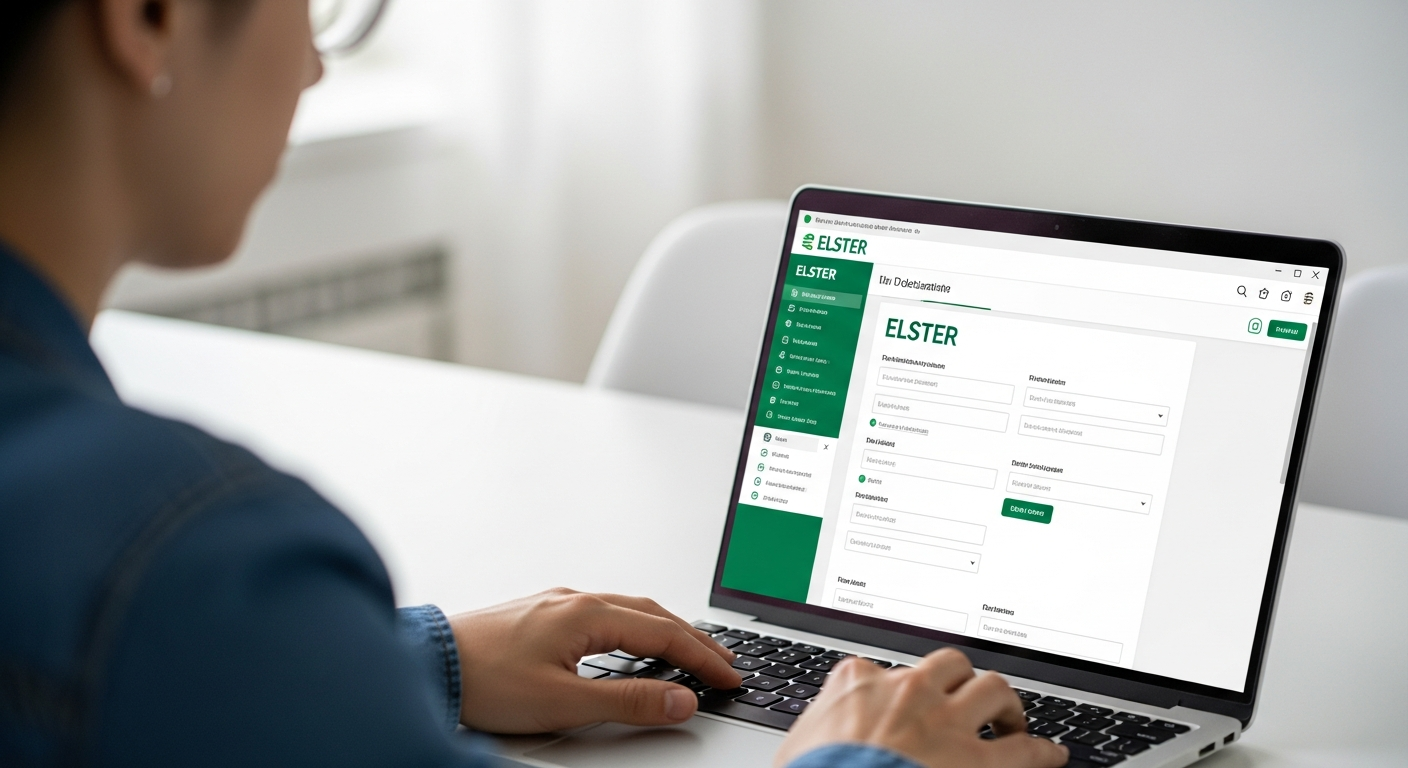
Filing your taxes correctly is the final hurdle in securing your cryptocurrency wealth. The German tax system is notoriously bureaucratic, and the digital tax portal ELSTER can be highly confusing. However, knowing exactly where and how to declare your digital assets will save you immense stress.
With the implementation of the DAC8 directive in 2026, hiding assets is impossible. The Finanzamt already knows about your exchange accounts. Your job is to provide the accurate mathematical breakdown of those transactions.
The Importance of Detailed Transaction Records
The burden of proof always falls on the taxpayer in Germany. If the Finanzamt audits you, they will demand to see a seamless history of your crypto transactions. This includes purchase dates, sale dates, fiat values at the time of execution, and network fees.
Do not rely on exchanges to keep your history forever. Many exchanges delete transaction logs after a few years, or go bankrupt entirely. You must export your CSV files regularly and maintain independent backups of your complete transaction history.
Filling Out the Anlage SO Form
When it comes time to file your annual tax return (Einkommensteuererklärung), your crypto gains belong on a specific form. You must use the “Anlage SO” (Sonstige Einkünfte), which translates to “Other Income.” This is the form dedicated to private sales transactions under Section 23 EStG.
You only need to report taxable transactions on this form. If you held a coin for over a year and sold it tax-free, you are technically not legally required to declare it. However, many tax advisors recommend declaring it anyway with a note stating the holding period exceeded one year, simply to prevent proactive inquiries from the tax office.
What Happens if You Don’t Report? (Penalties)
Tax evasion (Steuerhinterziehung) is treated as a severe criminal offense in Germany. Under Section 370 of the Fiscal Code (AO), failing to report taxable crypto gains can result in massive fines. In extreme cases of large-scale evasion, it can even result in a prison sentence of up to five years, or ten years in particularly serious cases.
With global data sharing fully active in 2026, the authorities run automated cross-checks against exchange data. If they detect a discrepancy, they will send you an official letter demanding clarification. Always file a voluntary disclosure (Selbstanzeige) with a tax lawyer if you realize you made a mistake in previous years.
5. Top Software Tools for German Crypto Tax Reporting
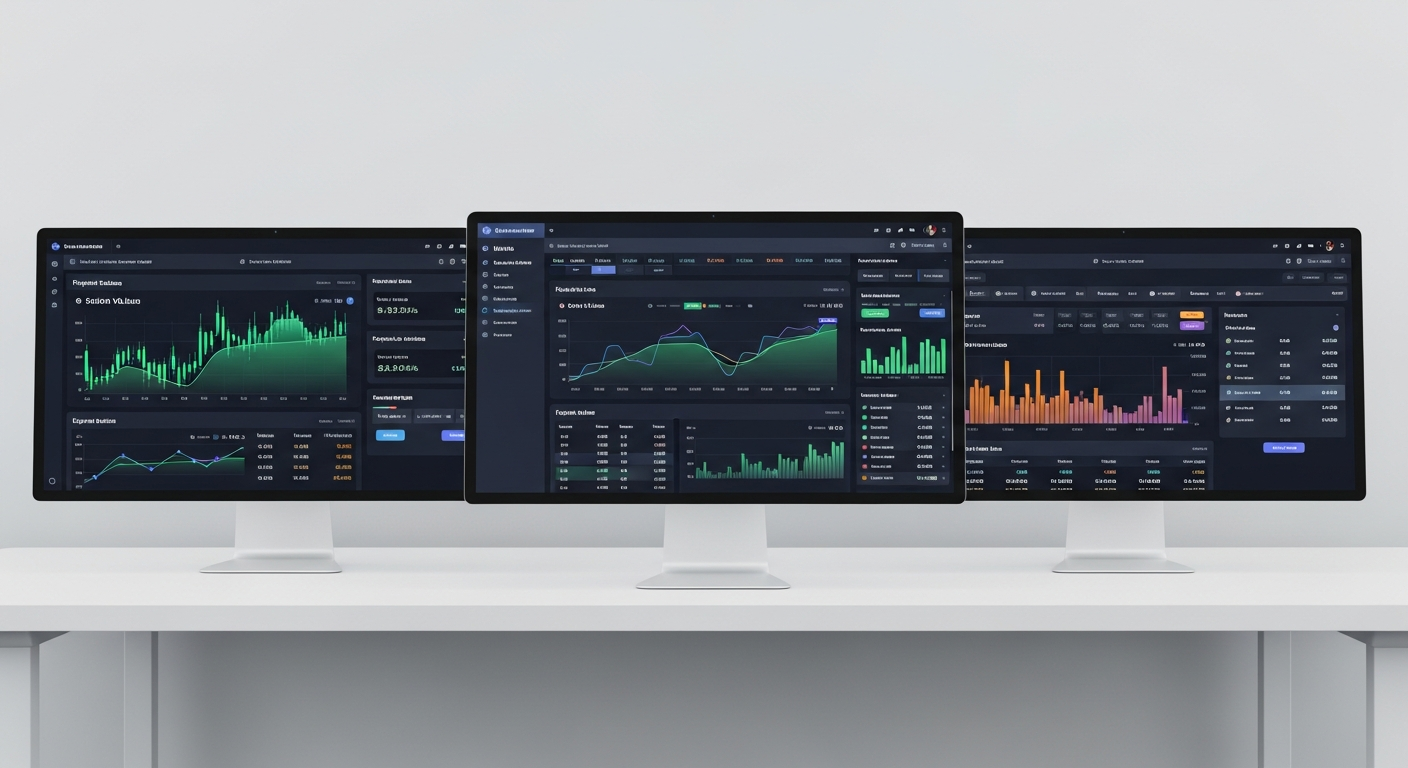
Calculating your taxes manually using an Excel spreadsheet might have worked in 2015, but it is impossible today. Between staking rewards, DEX trades, and liquidity pool tokens, the math is far too complex for a human to track accurately. This is where dedicated crypto tax software becomes your best friend.
Choosing software that specifically supports German tax laws (like the one-year rule and FiFo) is critical. Not all global tax tools understand the nuances of the Anlage SO. Let us look at the best automated solutions available for German residents in 2026.
Why Manual Calculation is No Longer Feasible
Every time you interact with a smart contract, you trigger multiple micro-transactions. A single yield farming harvest could result in dozens of fractional token receipts. Calculating the exact Euro value at the precise minute of each micro-transaction manually is a logistical nightmare.
Furthermore, human error during manual calculations can lead to disastrous audits. Automated tax software connects directly to your wallets and exchanges via read-only APIs. It instantly cross-references your trades with historical pricing data to generate mathematically perfect tax reports.
✅ Pros of Using Crypto Tax Software
- Automatically applies German one-year tax-free holding rules.
- Generates ready-to-use reports for the ELSTER platform.
- Saves hundreds of hours of manual spreadsheet tracking.
- Identifies tax-loss harvesting opportunities before year-end.
❌ Cons of Using Crypto Tax Software
- Premium plans for high-volume traders can be expensive.
- Obscure, low-cap altcoins or brand new blockchains may lack support.
- Requires trusting a third party with your read-only API data.
Review of the Best Crypto Tax Calculators
When selecting a platform, you want a tool officially recognized by German tax advisors. The top contenders consistently update their algorithms to match BaFin and BMF guidelines. Here is a quick breakdown of the most reliable options.
| Software Tool | Best Feature | German Tax Report Support |
|---|---|---|
| Blockpit | Certified by Big 4 accounting firms, deeply integrated with German laws. | Excellent (Direct Anlage SO export) |
| CoinTracking | Massive list of supported exchanges and legacy altcoins. | Very Good (German company) |
| Koinly | Most user-friendly interface and great DeFi wallet integrations. | Good (Generates specific German reports) |
Integration with Exchanges and Wallets
To use these tools effectively, you must connect all your data sources. You can either import CSV files manually or set up API keys. API keys are generally preferred because they automatically sync your transactions in real-time.
Remember to connect every wallet you own, including your cold storage and metamask wallets. If you leave out a wallet, the software cannot accurately calculate your FiFo cost basis. This will result in a chain reaction of inaccurate tax reports.
🛒 Steel Crypto Seed Phrase Storage Backup
View on Amazon →
As an Amazon Associate, we earn from qualifying purchases.
6. Advanced Strategies to Legally Reduce Your Crypto Taxes

Understanding the law is only the first step; optimizing your strategy is where true wealth is preserved. A proactive approach to your crypto tax guide Germany style can dramatically reduce your annual burden. You do not need to rely on illegal evasion when the legal loopholes are so powerful.
Timing your sales, utilizing family allowances, and smart wallet management can shield the majority of your profits. Let us review the most effective, legally sound strategies utilized by high-net-worth individuals in 2026.
Strategic Tax-Loss Harvesting Before Year-End
Tax-loss harvesting is a vital end-of-year strategy for any serious investor. If you have realized significant short-term crypto gains during the year, you will owe heavy taxes. However, you can offset these gains by deliberately selling other cryptocurrencies that are currently sitting at a loss.
By selling your losing “bags” before December 31st, you lock in those losses and subtract them from your short-term gains. Because crypto does not have a strict “wash sale” rule in Germany like the US does, you can immediately buy back the asset if you wish. This perfectly legal maneuver resets your cost basis and lowers your immediate tax bill.
Utilizing Gifting and Spousal Allowances
Germany has incredibly generous tax-free allowances for gifting wealth to family members. Every 10 years, you can gift up to €500,000 worth of assets to your spouse completely tax-free. You can also gift up to €400,000 per child in that same timeframe.
If you have massive crypto gains, transferring the cryptocurrency to a spouse in a lower income tax bracket before selling can be highly beneficial. The recipient legally takes over your original acquisition date. If you already held it for a year, the spouse can sell it immediately, totally tax-free.
Moving to a Low-Tax Region vs. Staying in Germany
Many successful crypto traders consider moving to zero-tax jurisdictions like Dubai or Malta. However, leaving Germany comes with a major catch known as the Exit Tax (Wegzugsbesteuerung) under the Foreign Transactions Tax Act (AStG). Fortunately, because crypto is generally classified as a private asset, pure cryptocurrency holdings are typically not subject to this exit tax.
This means you can theoretically move out of Germany with your hardware wallet without paying a departure tax on your crypto. However, if your crypto is held within a corporate structure (GmbH), the exit tax will absolutely apply. Always consult a specialized international tax attorney before changing your legal residency.
[INTERNAL_LINKS]
7. Frequently Asked Questions (FAQ)
Even with a comprehensive crypto tax guide Germany context, specific scenarios can trigger lingering doubts. The intersection of blockchain technology and German bureaucracy frequently creates confusion for newcomers. Here are the most common questions taxpayers are asking in 2026.
Do I pay taxes if I hold crypto for more than a year in Germany?
No. If you buy a cryptocurrency and hold it continuously for more than 365 days, any profit you make upon selling is 100% tax-free. This applies regardless of the profit amount, making long-term holding the absolute best tax strategy in Germany.
How does the Finanzamt know about my crypto holdings?
With the EU’s DAC8 directive fully active in 2026, all centralized crypto exchanges operating in Europe must automatically report user data to local tax authorities. The Finanzamt receives regular data drops containing your KYC information, account balances, and transaction histories. Hiding assets on centralized platforms is virtually impossible.
Are NFTs taxed the same way as cryptocurrency in Germany?
Yes, the BMF generally treats Non-Fungible Tokens (NFTs) similarly to standard cryptocurrencies. They are considered private assets under Section 23 EStG. Therefore, if you hold an NFT for more than one year, the profits from its sale are completely tax-free.
📚 You May Also Like