
Are you lying awake worrying about how to report your digital assets to HMRC? You are definitely not alone in this stressful struggle. As we navigate the complexities of 2026, understanding your tax obligations is more critical than ever. Welcome to the ultimate crypto tax guide UK investors need to avoid hefty fines and sleep soundly.
Many traders mistakenly believe that digital currencies fly under the government’s radar. In reality, HMRC has sophisticated tracking tools and receives direct data from major exchanges. Failing to report your taxable events accurately is a surefire way to trigger an exhausting audit. Let us break down everything you need to know to stay compliant this tax year.
- 1. Demystifying the Crypto Tax Guide UK Requirements for 2026
- 2. Capital Gains Tax (CGT) vs. Income Tax in the UK
- 3. Essential Allowances and Exemptions to Claim
- 4. How HMRC Treats DeFi, Staking, and Airdrops
- 5. Keeping Accurate Records and Reporting to HMRC
- 6. Top Crypto Tax Software Tools Compared
- 7. Frequently Asked Questions (FAQ)
1. Demystifying the Crypto Tax Guide UK Requirements for 2026
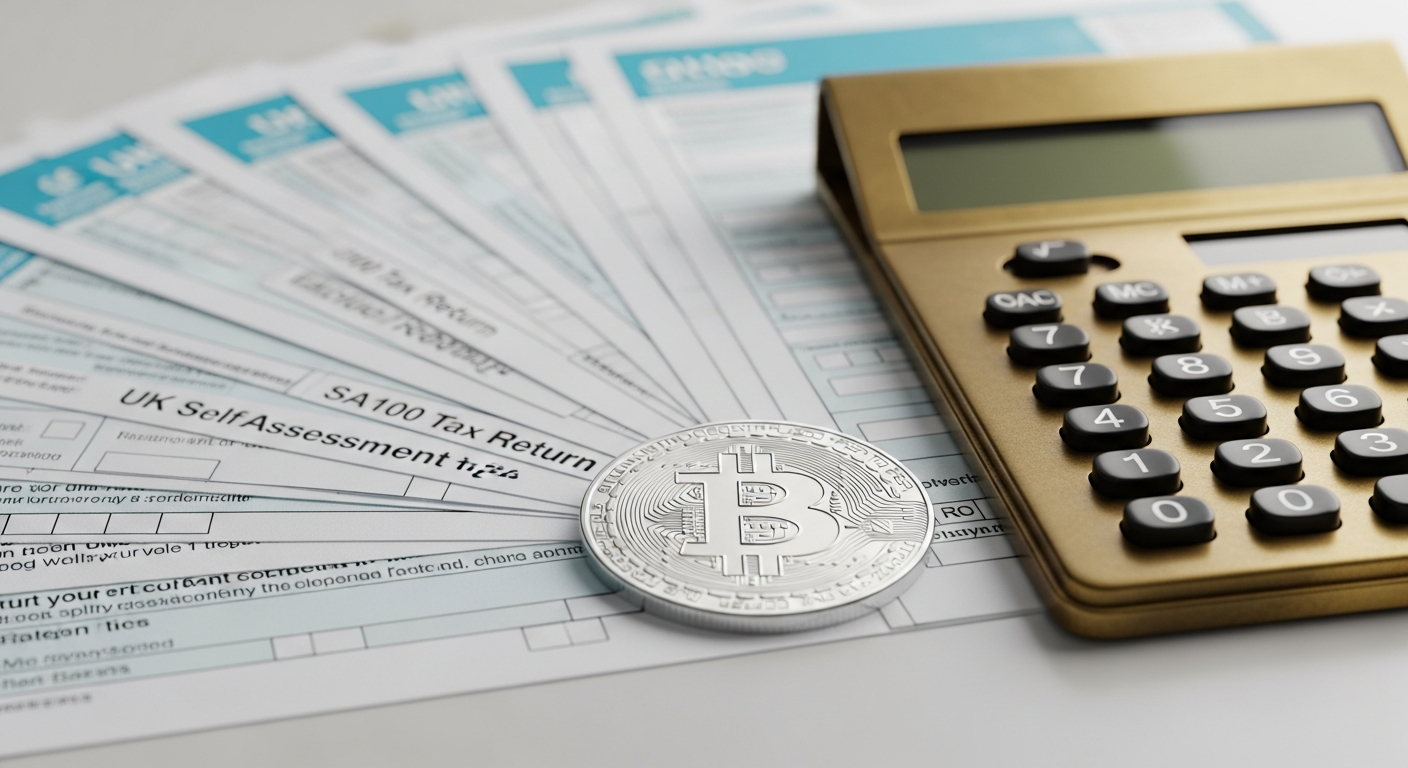
The cryptocurrency landscape has evolved rapidly, and so have HMRC’s regulations surrounding it. What worked a few years ago will no longer keep you compliant in 2026. Authorities have dramatically tightened the rules to ensure digital asset investors pay their fair share.
Currently, HMRC treats cryptocurrency as a digital asset rather than traditional currency. This fundamental classification dictates every aspect of how your portfolio is taxed. Understanding this baseline is the first step in mastering your self-assessment tax return.
The New HMRC Landscape in 2026
HMRC’s approach in 2026 is uncompromising and highly automated. They actively collaborate with global tax authorities and major centralized exchanges to monitor your transactions. If you use a KYC-compliant exchange, assume HMRC already knows about your trading volume.
This increased surveillance means “forgetting” to declare your crypto is incredibly risky. Penalties for deliberate tax evasion can now reach up to 200% of the tax due. You must treat your crypto portfolio with the same diligence as a traditional stock portfolio.
A recent statistical report showed that HMRC estimates over 5.5 million UK adults now hold digital assets. With such a massive user base, digital asset taxation is a top priority for government revenue. Ignorance of the law is never accepted as an excuse during an audit.
Who Actually Needs to Pay Crypto Taxes?
You might be wondering if your small portfolio even qualifies for taxation. The short answer is that almost anyone who actively interacts with crypto will face some tax implications. However, merely holding cryptocurrency in a wallet is not a taxable event.
You only trigger taxes when you “dispose” of an asset or earn new assets as income. Disposals include selling crypto for fiat currency, like British Pounds. It also includes trading one cryptocurrency directly for another, such as swapping Bitcoin for Ethereum.
Even using cryptocurrency to buy goods or services counts as a disposal in the eyes of HMRC. If you bought a coffee using crypto, you theoretically need to calculate the capital gain on that fraction of a coin. This is why meticulous record-keeping is absolutely non-negotiable.
2. Capital Gains Tax (CGT) vs. Income Tax in the UK

Understanding the difference between Capital Gains Tax (CGT) and Income Tax is the core of this crypto tax guide UK. Your activities dictate which tax bracket you fall into. Mixing these up can lead to disastrous miscalculations on your return.
Most casual investors will primarily deal with Capital Gains Tax. However, if you are earning digital assets through specific activities, Income Tax applies. Let us dive into the specific scenarios for both categories.
When Your Crypto Triggers Capital Gains Tax
Capital Gains Tax is applied to the profit you make when you dispose of an asset. You are taxed on the difference between what you paid for the crypto and what you sold it for. This original purchase price, plus any allowable fees, is known as your “cost basis.”
For example, if you buy 1 BTC for £20,000 and sell it for £50,000, your capital gain is £30,000. You do not pay tax on the full £50,000, only the profit. This rule applies whether you cash out to a bank account or trade for stablecoins.
Gifting cryptocurrency to someone other than your spouse or civil partner also triggers CGT. HMRC calculates the gain based on the fair market value of the crypto on the day you gifted it. Moving crypto between your own personal wallets, however, is perfectly tax-free.
Scenarios Where Crypto is Taxed as Income
Income tax applies when you receive cryptocurrency as a form of payment or ongoing reward. If your employer pays your salary in Bitcoin, that is clearly income. You will owe Income Tax and National Insurance contributions based on the fiat value at the time of receipt.
Mining cryptocurrency as a business operation also falls under Income Tax. The coins you mine are treated as trading income at their fair market value on the day you receive them. If you hold them and sell them later, any subsequent profit is then subject to CGT.
Airdrops and certain types of decentralized finance (DeFi) rewards can also be classified as income. The key determining factor is whether you did something specific to “earn” the reward. We will explore the nuances of DeFi taxation deeper in section four.
🛒 Ledger Nano X hardware wallet
View on Amazon →
As an Amazon Associate, we earn from qualifying purchases.
3. Essential Allowances and Exemptions to Claim

Nobody wants to pay more tax than legally required. Fortunately, the UK tax system offers specific allowances and exemptions you can utilize. Proper tax planning can save you thousands of pounds legally and safely.
However, the generosity of the UK government has waned in recent years. The thresholds for tax-free gains have been drastically reduced. You must be hyper-aware of the current 2026 limits.
The 2026 Capital Gains Tax-Free Allowance Letdown
Historically, UK taxpayers enjoyed a generous annual exempt amount for capital gains. Unfortunately, the landscape in 2026 is much harsher for everyday investors. The tax-free allowance for the 2025/2026 tax year sits at a paltry £500.
This means if your total capital gains across all assets exceed £500, you must report and pay tax. This low threshold catches thousands of small-scale investors who previously didn’t need to file. It is vital to aggregate your crypto gains with any profits from selling stocks or second homes.
If you are a basic rate taxpayer, your crypto capital gains are generally taxed at 10%. If you fall into the higher or additional rate brackets, you will pay 20% on your gains. Calculating exactly where you sit requires summing up your total income for the year.
Trading vs. Investing: What’s the Difference?
HMRC draws a strict line between someone who invests in crypto and someone who trades it as a business. 99% of individuals are classed as investors subject to Capital Gains Tax. Only highly sophisticated, high-frequency operations are classified as financial traders.
If you are classed as a trader, your profits are subject to Income Tax rather than CGT. This usually means a higher tax rate, but it allows you to deduct trading expenses more freely. HMRC looks at the frequency, organization, and commerciality of your activities to make this distinction.
Do not assume that day trading from your bedroom automatically makes you a business in HMRC’s eyes. They set an incredibly high bar for the “financial trader” classification. Unless you use complex algorithmic setups and corporate structures, assume you are an investor.
4. How HMRC Treats DeFi, Staking, and Airdrops
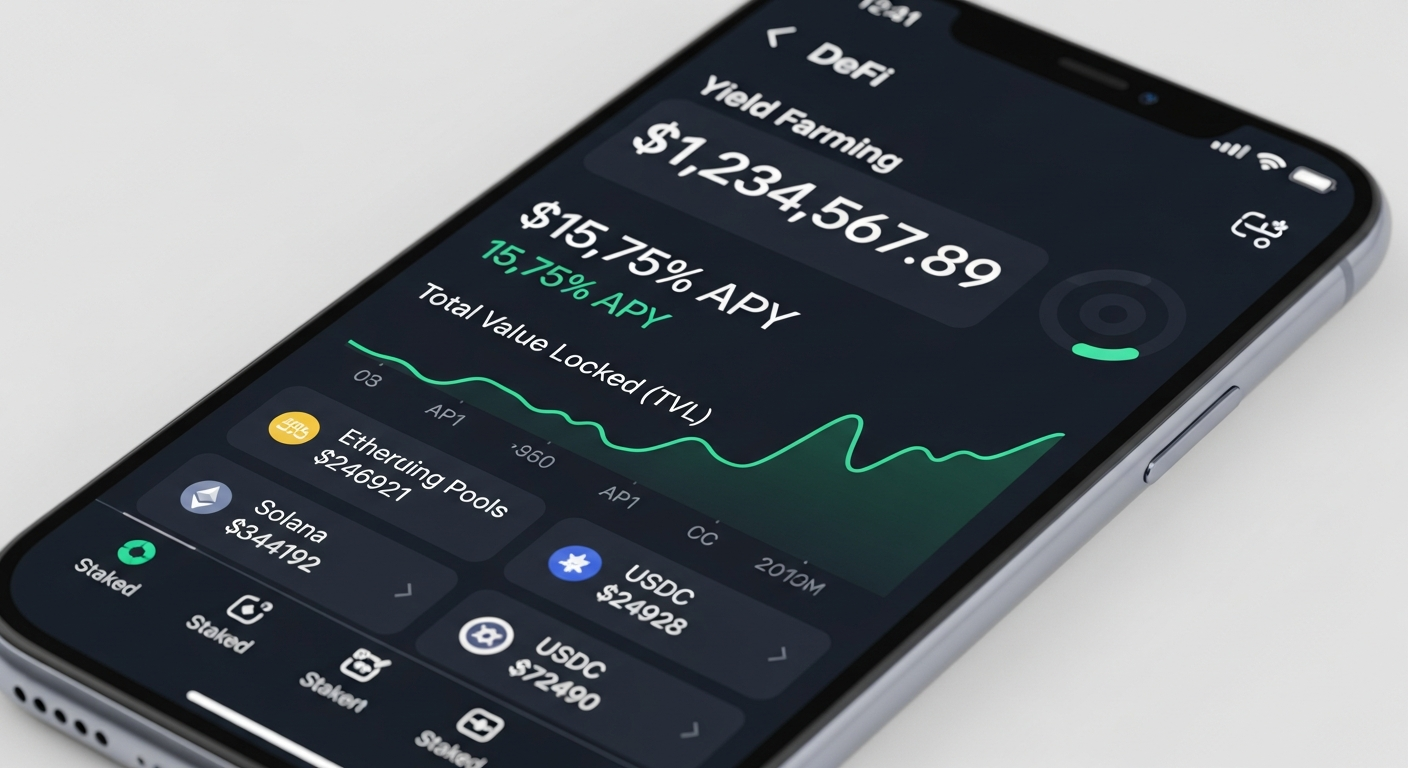
Decentralized Finance (DeFi) is the absolute most complex area of any crypto tax guide UK. The rules here are notoriously convoluted because the technology outpaces legislation. HMRC’s official crypto guidance attempts to fit novel concepts into traditional tax boxes.
Whether you are providing liquidity or staking tokens, the tax implications depend heavily on how the protocol functions. The exact mechanics of the smart contract dictate if you are making a disposal. Let us untangle this web.
Navigating Staking Rewards and Yield Farming
When you stake cryptocurrency, you lock it up to help secure a network and earn rewards. HMRC generally taxes these rewards as miscellaneous income at the time you receive them. You must declare the fair market fiat value of the tokens on the exact day they hit your wallet.
Yield farming, particularly adding funds to a liquidity pool, is far trickier. When you deposit tokens into a liquidity pool and receive a Liquidity Provider (LP) token in return, HMRC views this as a disposal. You are technically trading your original tokens for a new LP token, triggering Capital Gains Tax.
When you later withdraw your funds from the pool, burning the LP token, you trigger another disposal. Any fees you earned while in the pool may be classed as income or capital gains, depending on the protocol’s mechanics. You need powerful tracking software to untangle these automated transactions.
The Harsh Reality of Airdrop Taxation
Airdrops feel like free money, but HMRC certainly doesn’t see it that way. If you receive an airdrop without doing anything to earn it, it might be tax-free at the time of receipt. However, this is exceptionally rare in the modern Web3 space.
Most airdrops require you to perform a task, like sharing a post, using a protocol, or bridging assets. Because you provided a “service” to earn the tokens, HMRC taxes them as Income. You must calculate the GBP value of the airdrop on the day you received it and report it.
When you eventually sell those airdropped tokens, you will face Capital Gains Tax on any price appreciation. Your cost basis for the CGT calculation is the amount you already paid Income Tax on. Double taxation is a massive trap for unwary investors.
5. Keeping Accurate Records and Reporting to HMRC

If there is one thing you take away from this guide, let it be the importance of record-keeping. The burden of proof always falls entirely on you, the taxpayer. HMRC expects meticulous logs of every single transaction spanning years.
You cannot simply guess your numbers or estimate your profits. If HMRC launches an inquiry, they will demand blockchain transaction hashes, exchange CSVs, and exact timestamps. Poor record-keeping is the fastest route to compliance penalties.
Why You Can’t Rely on Exchanges for Tax Reports
Many investors mistakenly think their exchange will automatically generate a perfect tax form for HMRC. Unfortunately, exchanges only see what happens within their own walled gardens. If you use multiple platforms or self-custody wallets, the exchange’s data is fundamentally broken.
If you bought Ethereum on Coinbase, moved it to a Ledger wallet, and later sold it on Kraken, neither exchange knows your true cost basis. Kraken will assume a cost basis of zero, resulting in a massively inflated tax bill. You must bridge the data gaps yourself.
Furthermore, UK specific rules like “Share Pooling” (the Section 104 pool), the “30-day rule”, and the “Same-day rule” require specialized calculations. Standard exchange exports do not calculate gains using these mandatory HMRC accounting methods. Over 73% of investors who try to use basic exchange data miscalculate their tax liability.
| Transaction Type | HMRC Tax Classification | Is it Taxable? |
|---|---|---|
| Buying crypto with GBP | Acquisition | ❌ No |
| Selling crypto for GBP | Disposal | ✅ Yes (CGT) |
| Trading BTC for ETH | Disposal | ✅ Yes (CGT) |
| Receiving Staking Rewards | Miscellaneous Income | ✅ Yes (Income) |
| Moving between own wallets | Transfer | ❌ No |
Step-by-Step Self-Assessment Submission
To report your taxes, you must register for Self-Assessment by October 5th following the end of the tax year. The UK tax year runs from April 6th to April 5th of the following year. Missing this initial registration deadline can result in immediate fines.
Once registered, you have until January 31st to file your return online and pay any tax owed. You will need to fill out the SA108 form for capital gains and potentially the SA100 for overall income. You do not need to submit all your raw transaction data, just the final calculations.
However, you must keep all your supporting documents for at least five years after the January 31st deadline. HMRC can open an inquiry into your return at any point during this window. Having clean, accessible records is your only defense during an audit.
6. Top Crypto Tax Software Tools Compared
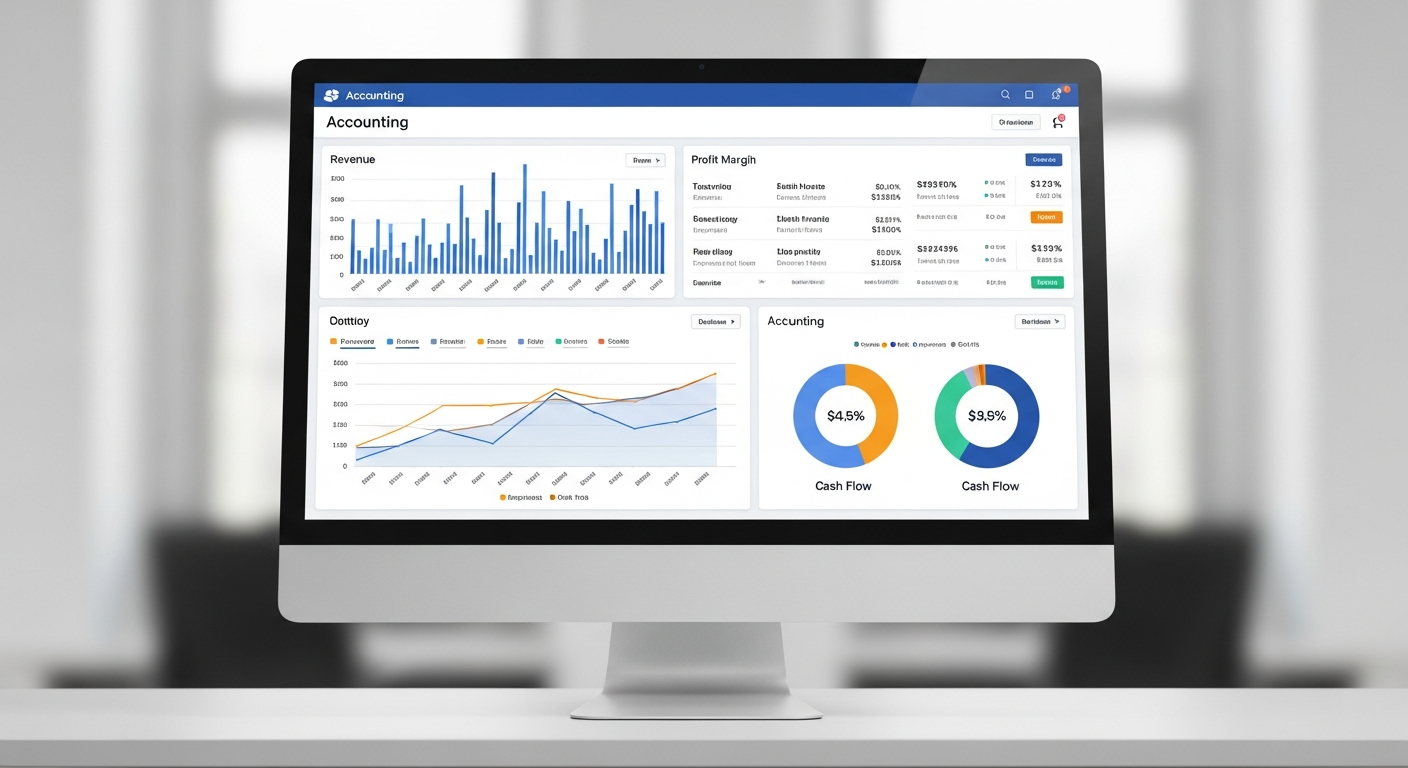
Given the complexity of pooling rules and DeFi, manual calculation on an Excel sheet is practically impossible. Utilizing a dedicated crypto tax calculator is an absolute necessity for 2026. These platforms automate the heavy lifting and ensure UK-specific compliance.
These tools work by integrating with your exchange APIs and public wallet addresses. They ingest your entire transaction history, map the flow of funds, and apply HMRC’s strict matching rules. Let’s look at why they are indispensable.
Automating Your Tax Returns
The best software tools instantly recognize taxable vs. non-taxable events. They understand that a wallet-to-wallet transfer is not a disposal, preventing phantom taxes. They also automatically calculate your Section 104 pool averages flawlessly.
Most reputable platforms generate a pre-filled SA108 form that you can simply copy into your HMRC portal. They also provide comprehensive audit trails detailing exactly how every single number was calculated. This level of detail is exactly what HMRC expects to see during an inquiry.
Additionally, good software provides year-round portfolio tracking. You can log in during December to check your unrealized losses and proactively harvest them. This strategic advantage easily pays for the cost of the software subscription.
🛒 Koinly crypto tax software premium subscription
View on Amazon →
As an Amazon Associate, we earn from qualifying purchases.
Pros and Cons of Popular Tax Calculators
When choosing a crypto tax calculator, you must ensure it specifically supports HMRC rules. Not all global platforms handle the UK’s unique “same-day” and “30-day bed and breakfasting” rules correctly. Choosing the wrong software is just as bad as doing it manually.
✅ Pros
- Automatically applies complex HMRC matching rules correctly.
- Consolidates data across unlimited exchanges and self-custody wallets.
- Identifies tax-loss harvesting opportunities to save you money.
- Generates specific HMRC-ready reports (like the SA108).
❌ Cons
- Premium plans can be expensive for high-volume traders.
- Obscure, new DeFi protocols often require manual categorization.
- Garbage in, garbage out: requires accurate API syncing to work.
The peace of mind provided by an accurate report is invaluable. If you have more than 50 trades in a year, do not attempt manual calculations. Protect yourself, save hours of frustration, and invest in a reliable software solution.
[INTERNAL_LINKS]
7. Frequently Asked Questions (FAQ)
Do I pay tax if I leave my crypto on the exchange?
No, simply holding your cryptocurrency on an exchange or in a private wallet is not a taxable event. Taxes are only triggered when you dispose of the asset, such as selling it for fiat or trading it for another coin. As long as you are just holding, you do not owe HMRC anything for those assets.
How does HMRC know about my crypto assets?
HMRC has extensive data-sharing agreements with all major KYC-compliant crypto exchanges operating in the UK. Platforms like Coinbase, Binance, and Kraken legally must provide user data and transaction histories to the government. Furthermore, HMRC uses advanced blockchain analysis tools to trace public wallet addresses back to individuals.
What happens if I lost money trading crypto?
If you sell your crypto for less than you bought it for, you realize a capital loss. You can report these allowable losses to HMRC and use them to offset any capital gains you made that same year. If your losses exceed your gains, you can carry them forward indefinitely to offset future profits, making it crucial to report them.
📚 You May Also Like